

 Phoenix 24
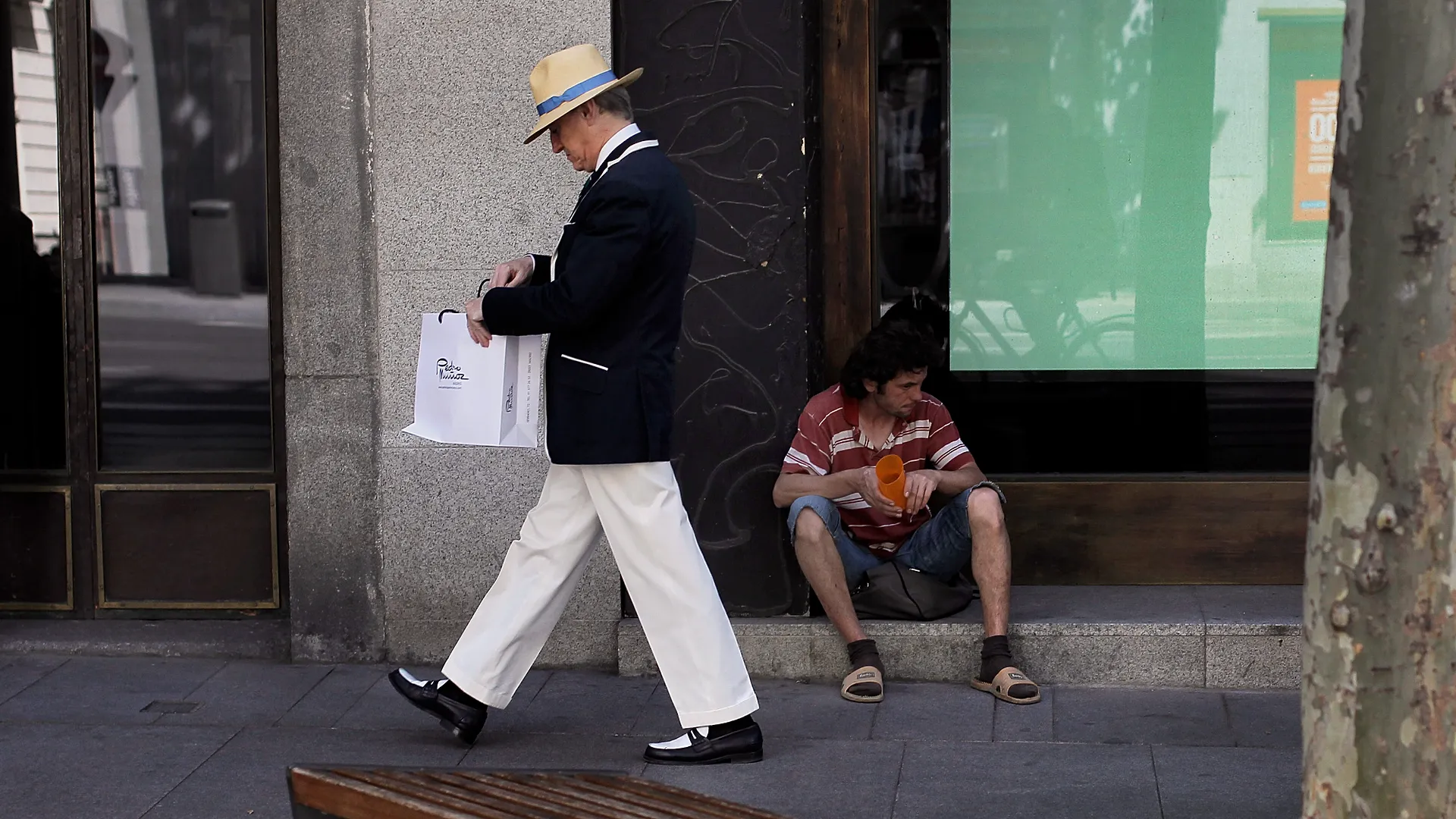
August paints a familiar yet uneasy picture: labor setbacks overshadow seasonal gains, revealing the labor market’s dual nature.
Madrid, September 2025
August often brings a slowdown in Spain’s labor market, and this year was no exception. The end of the summer season dismantled close to 199,300 jobs, while registered unemployment rose by about 21,900 people. The total number of unemployed now stands at roughly 2.43 million, still one of the lowest levels for an August since 2007, even if the monthly reversal is painful.
At first glance the data looks grim, but a closer reading offers nuance. Once calendar and seasonal effects are adjusted, Spain actually added nearly 29,840 formal jobs during the month, bringing total employment to about 21.67 million. That underlying strength reflects a deeper resilience the raw figures conceal.
Breaking down the numbers by sector reveals the seasonal pattern. Education recorded the steepest losses, most likely due to school closures, followed by declines in administrative, artistic, manufacturing, and construction activities. Hospitality, which usually peaks in summer, also registered a modest contraction. These movements are cyclical, and officials stress that they do not signal structural decline.
Despite August’s setback, employment has grown by nearly 477,000 over the past twelve months, a 2.2 percent increase compared to the previous year. That pace represents one of the strongest expansions of recent memory, even as external headwinds persist.
Gender and age differences add further perspective. Unemployment rose more sharply among women and among youth under 25, yet both groups still show year-on-year improvements. Labor reforms introduced in recent years have bolstered opportunities for young workers, who are benefiting from more stable contracts. Meanwhile, older groups over 52 are also participating more in the labor market, reflecting gradual changes in hiring practices.
Government officials highlighted this duality. The monthly decline in social security membership represents a setback, but it is still the highest number of contributors ever recorded for an August. Ministers insist that these figures underscore structural progress that is not erased by one seasonal downturn.
Historical comparison helps explain the pattern. The August contraction is the worst since 2019, another year when the end of the tourist season produced a sharp reversal. The recurrence of such swings underscores the temporary nature of these declines rather than pointing to systemic weakness.
The broader context remains more encouraging. On a seasonally adjusted basis, employment has climbed steadily throughout the year, and unemployment continues its downward trajectory. In the second quarter of 2025, jobs increased by 0.6 percent compared to the previous quarter, while unemployment fell by nearly 2 percent. That steady rhythm provides reassurance that the labor market is still on an upward path.
Looking ahead, international organizations forecast cautious progress. Analysts at the OECD suggest that unemployment in Spain could edge downward in the coming months. Yet they also note that Spain remains one of the OECD countries with the highest jobless rates, a structural challenge that reforms alone cannot easily erase. Bridging these disparities requires long-term investment in productivity, training, and innovation.
Economists emphasize that August should not obscure broader achievements. Employment levels today are higher than before the pandemic, and participation across multiple demographics is more robust. What remains fragile are temporary contracts tied to seasonal cycles, particularly in education and tourism, which continue to shape the volatility of monthly data.
For Spanish households, the statistics translate into mixed emotions. Families facing job loss at the end of the season confront uncertainty, while others take comfort in the fact that overall employment opportunities remain stronger than in years past. For policymakers, the challenge lies in consolidating gains while cushioning inevitable downturns.
Ultimately, the story of Spain’s August labor market is one of duality. On the surface, job losses and rising unemployment confirm the disruptive impact of seasonality. Yet beneath the cycle, structural resilience shows through in adjusted growth, expanding participation, and record highs in contributors. The tension between these two layers defines Spain’s current moment: vulnerable to temporary shocks, but stronger in its fundamentals.
Narrative is power too
La narrativa también es poder