

 Phoenix 24
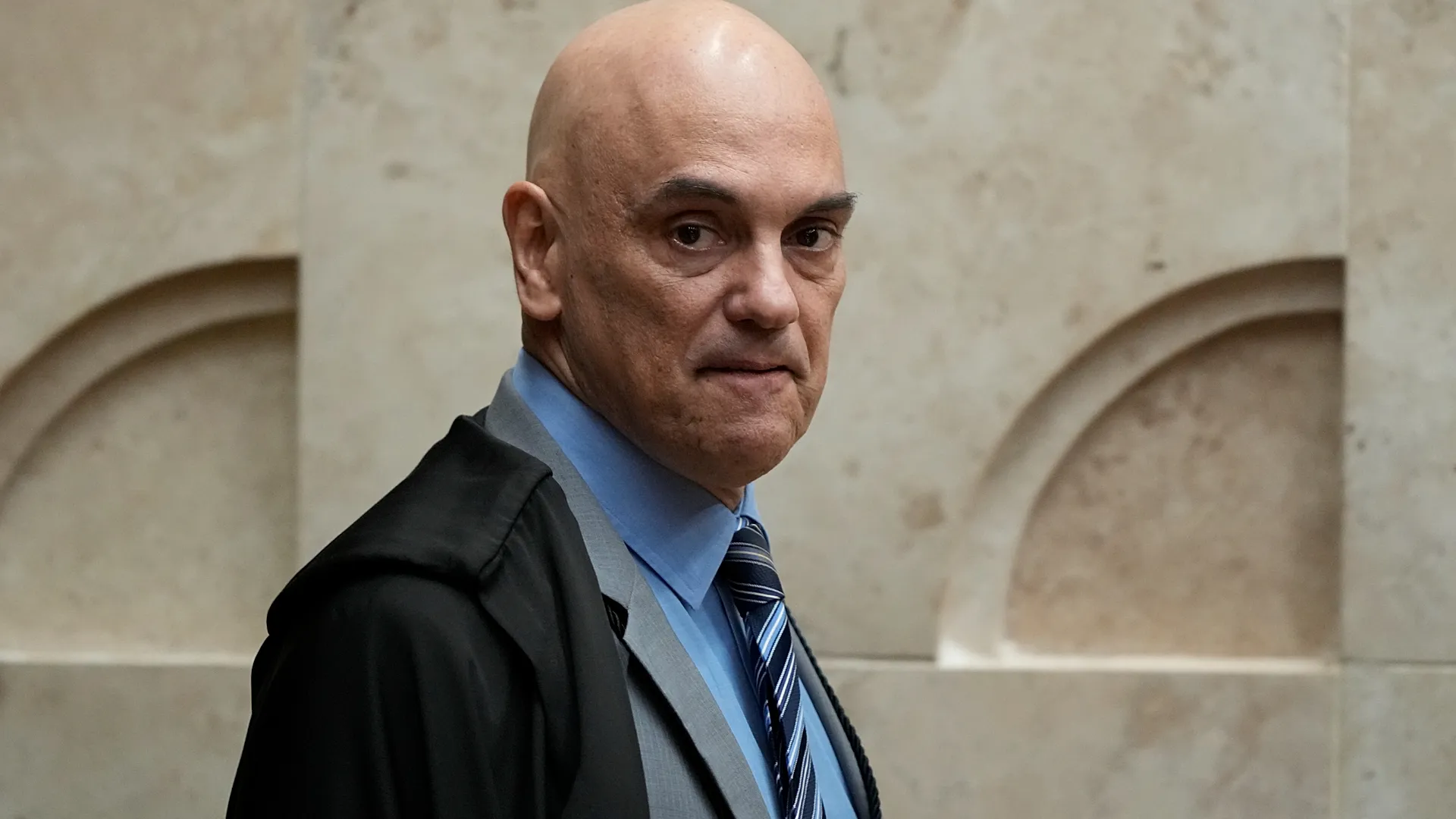
A flashpoint in Brazil’s judicial transition, where law, politics, and democratic survival collide.
Brasília, September 2025
Alexandre de Moraes has become the central figure in Brazil’s most consequential trial in decades. As justice of the Supreme Federal Court and rapporteur of the case, he now leads proceedings that may send former president Jair Bolsonaro to prison. The charges accuse Bolsonaro of plotting a coup following his defeat in the 2022 elections, an unprecedented test of Brazil’s commitment to democratic accountability.
Born and trained in São Paulo, Moraes rose from the Public Prosecutor’s Office to national prominence. Appointed to the Supreme Court in 2017, he built a reputation for confronting threats to institutional integrity and spearheading campaigns against disinformation. In 2019, he launched an investigation into online misinformation, ordering takedowns, searches, and account suspensions, including the blocking of major platforms. The measures earned him praise from defenders of democratic safeguards and fierce criticism from advocates of free expression, laying bare the ideological fault lines of Brazil’s digital era.
In August, Moraes acted decisively when Bolsonaro violated judicial restrictions by disseminating statements through family members online. He imposed house arrest, fitted Bolsonaro with an ankle monitor, and prohibited him from directly or indirectly influencing social media activity. These measures sparked diplomatic repercussions. The United States imposed visa bans and economic sanctions under the Magnitsky Act, raising questions about sovereignty and foreign interference.
The trial now unfolds under intense national and international scrutiny. Moraes has emphasized that the stakes go beyond one man. If Bolsonaro is convicted, the verdict may extend far beyond a prison sentence. It would signal Brazil’s determination to hold leaders accountable for authoritarian impulses, while reaffirming the judiciary’s authority as a safeguard of democracy.
Across Brazil, opinions diverge sharply. Supporters of Bolsonaro denounce the process as politically motivated, while critics see it as overdue justice for attempts to subvert the electoral process. Political analysts describe the trial as a mirror of Brazil’s polarized society, where the rule of law and partisan loyalty collide in plain view.
In Latin America, the trial resonates as a warning. Countries facing similar democratic strains watch closely, mindful of the precedent that Brazil could set. European governments have voiced cautious support for judicial independence, while in Washington the debate over sanctions reflects broader tensions in U.S.–Brazil relations. In Asia, commentators interpret the case as part of a global struggle over how democracies confront disinformation, populism, and contested legitimacy.
Moraes himself has become both symbol and target. To his defenders, he embodies the resilience of Brazil’s institutions. To his detractors, he represents judicial overreach and concentration of power. This dual perception underscores the fragility of democratic systems when crises force individuals to personify institutions.
As the trial enters its decisive stage, attention turns to the Supreme Federal Court’s final verdict. The decision, expected in the coming weeks, will either convict Bolsonaro and redefine the boundaries of accountability in Brazil or acquit him and inflame doubts about the capacity of institutions to confront authoritarian threats.
The broader implications are undeniable. For Brazil, the outcome will shape public trust in democracy for a generation. For the region, it will set a standard of how far courts can go in holding former leaders accountable. And for the world, it offers a case study in the delicate balance between sovereignty, international pressure, and the defense of democratic values.
Global narrative resilience.
Resistencia narrativa global.