

 Phoenix 24
How a celebrity-linked label masks deeper fiscal innovation.
Providence, Rhode Island, September 2025
A new surcharge on high-value vacation homes in Rhode Island, quickly nicknamed the “Taylor Swift Tax,” has set off a wide debate that extends beyond state borders. Beginning in July 2026, second residences valued at more than one million dollars will face an annual levy of two dollars and fifty cents for each additional five hundred dollars above that threshold. For a property assessed at two million dollars, the increase would mean around five thousand dollars a year. Homes that are occupied or rented for at least half of the year will be exempt, recognizing their contribution to the local economy and shielding long-term residents from unintended consequences.
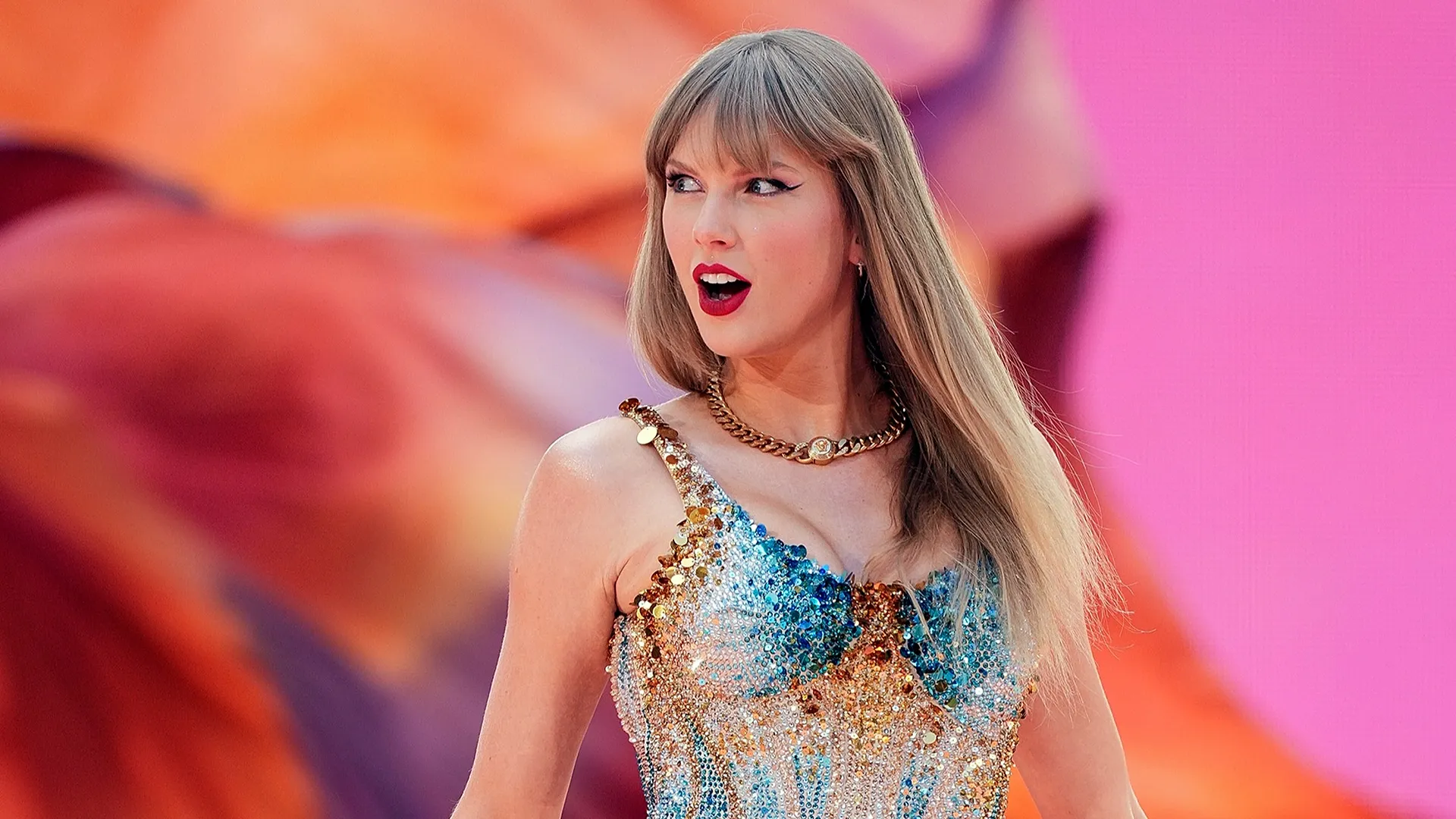
The tax earned its popular name because Taylor Swift owns a multimillion-dollar coastal mansion in the Rhode Island community of Watch Hill, yet the measure applies equally to any luxury second home. Lawmakers insist the label is a distraction, since the objective is not celebrity targeting but fiscal adjustment in favor of communities squeezed by speculative ownership.
State leaders argue that the measure balances fairness with necessity. Rising housing costs have priced out many local families, while entire neighborhoods in resort towns remain dark for much of the year. By shifting part of the tax burden toward absentee owners, legislators hope to fund social programs without increasing obligations for permanent residents. Real estate brokers, however, warn of potential side effects such as reduced investment, delayed transactions and a chilling effect on one of the most dynamic coastal housing markets in the country.
The measure resonates with broader currents in U.S. housing policy. Montana is preparing to modify property taxation to penalize secondary homes and short-term rentals starting in 2026. In Massachusetts, particularly in Cape Cod, regional councils are studying the creation of luxury transfer taxes on multimillion-dollar transactions to finance affordable housing projects. What began as a Rhode Island experiment could soon evolve into a new model across several states.
Supporters highlight that unoccupied luxury properties weaken local cohesion and intensify housing shortages. For them, taxing idle wealth is a way of rebalancing community life. Opponents counter that the levy might unfairly burden families who inherit coastal properties or those who maintain vacation homes for personal reasons without excessive speculation. The dividing line is thin between fiscal justice and perceived punishment of legitimate ownership.
Because of the celebrity association, much of the media attention has focused on what this would mean for Swift’s estate. Based on current valuations, her Watch Hill home could face a surcharge of more than one hundred thousand dollars annually. Nonetheless, the design of the law leaves room for adjustment: any owner who demonstrates regular use or rental activity can avoid the surcharge. That detail, often overlooked in headlines, suggests the policy aims more at empty mansions than at famous names.
The debate has also pulled in cultural figures. Some commentators dismiss the label as political marketing, while others see it as proof that celebrity culture can be harnessed to illuminate structural issues. In practice, the measure challenges the idea of property as a passive investment. It frames ownership as a civic responsibility tied to the vitality of communities.
Public sentiment leans toward support in many affected towns. Residents of coastal villages complain that vacation mansions elevate real estate prices without generating proportional tax revenue or community participation. Ski towns in the Rocky Mountains report similar problems, where seasonal homes displace essential workers and create hollowed-out economies. The “Taylor Swift Tax,” although born in New England, speaks to nationwide anxieties over inequality and access to housing.
For policymakers, the fiscal impact may be less important than the symbolic shift. Real estate ceases to be viewed solely as a private asset and becomes part of the social contract. By encouraging occupancy, discouraging speculation and funding housing programs, the surcharge aligns fiscal policy with broader social goals. Critics insist this could open the door to unpredictable regulations and discourage outside investment, but the counterargument is that communities cannot be reduced to balance sheets alone.
As the Rhode Island Senate prepares to decide, the measure is already sparking conversations across the country. Should it pass and take effect in 2026, it could serve as precedent for how states confront the clash between global wealth and local housing. Whether labeled after a pop star or not, the tax embodies a search for innovative solutions in a market strained by inequality.
Ultimately, the “Taylor Swift Tax” reflects the tension between individual property rights and collective well-being. It is an experiment in redefining fairness within a system where empty luxury homes stand in stark contrast to the struggles of working families. Even if the name fades, the principle may endure, influencing the next generation of housing policy in the United States.
La narrativa también es poder.
Narrative is power too.