

 Phoenix 24
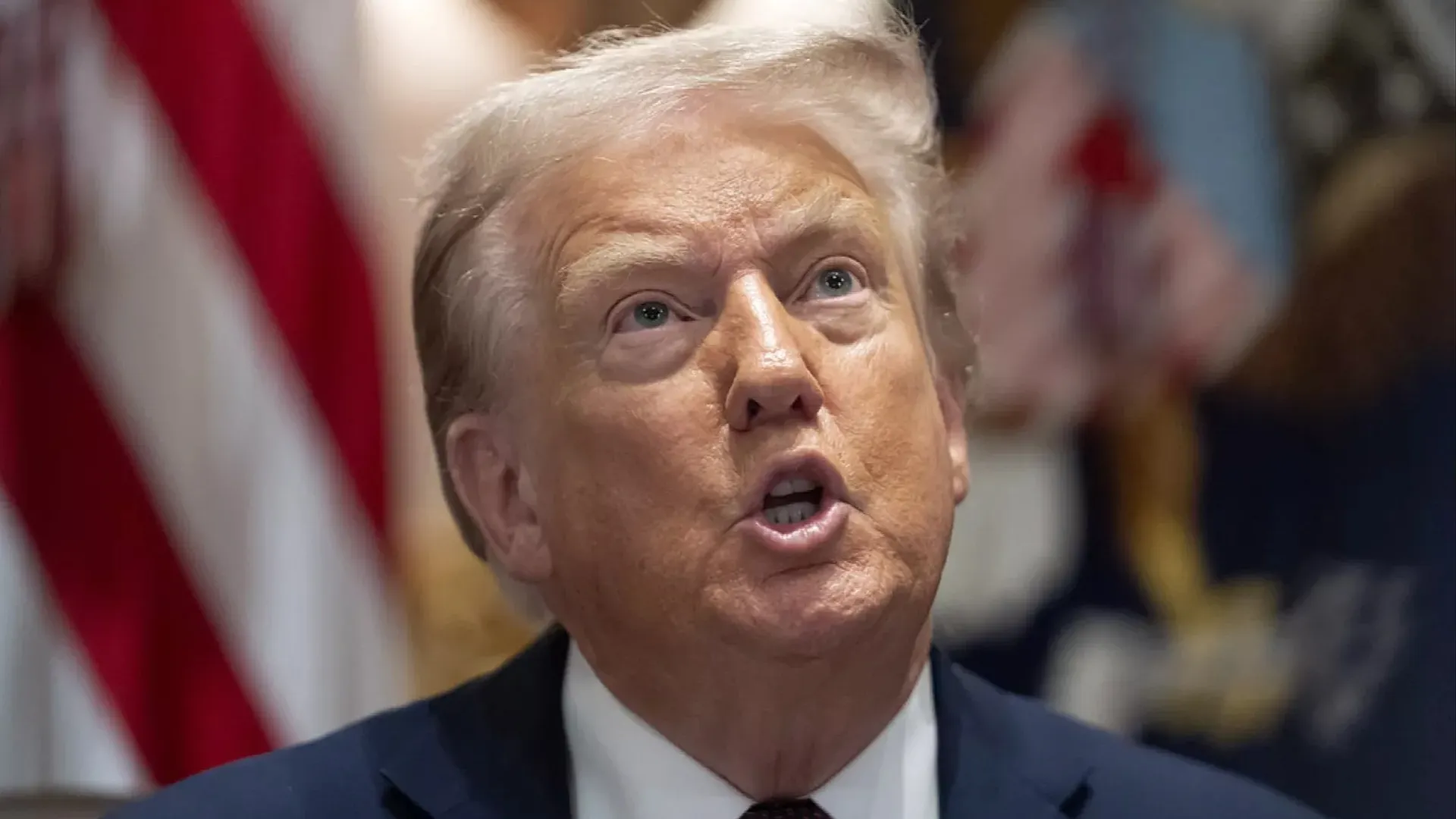
A ruling that redraws the boundaries of presidential economic power.
Washington, September 2025
The U.S. Federal Court of Appeals has struck down much of the tariff architecture built by Donald Trump during his presidency, ruling that the imposition of duties under the International Emergency Economic Powers Act lacks legal foundation when there is no clear connection to an actual national security threat. The decision, which upholds an earlier judgment from a trade court, sets a precedent on the relationship between the Executive and Congress, restricting the discretion with which the White House can steer trade policy. Although the court allowed tariffs to remain in effect until mid-October, the political signal is unequivocal: economic unilateralism has legal limits.
Trump reacted swiftly and defiantly. He labeled the ruling a “total catastrophe” and pledged to push the case to the Supreme Court, confident that a conservative majority could reverse the decision. His statements are not only a legal maneuver but also a political gesture toward his electoral base, where defending American industry remains central to his narrative. Yet the fact remains that the ruling introduces uncertainty in Washington and among allied capitals, which are watching closely how the balance of powers in the world’s largest economy is being reshaped.
The impact on markets was immediate. Financial analysts in New York warned that retailers and manufacturers, accustomed to operating under a tariff regime, now face the prospect of sudden shifts in import costs. In Brussels, trade experts recalled that the World Trade Organization has repeatedly cautioned against using emergency powers as a permanent tool of commercial policy. Meanwhile, in Tokyo, officials in the automotive sector noted that any alteration in U.S. rules has direct repercussions for their supply chains, since Japan remains one of the main exporters of vehicles to the American market.
The international reaction has been mixed. In Europe, diplomats emphasized that the ruling may create space for a more predictable commercial relationship, reducing the threat of yet another wave of unilateral measures. In Asia, however, the view is more cautious: while Japan and South Korea welcome the prospect of greater stability, Beijing sees it as a reminder that the U.S. Congress retains the final word in disputes directly affecting China. In the Middle East, economists interpret the decision as a sign of waning protectionism, pointing out that energy supply chains could also be subject to litigation if national security arguments are overstretched.
Domestically, the ruling reopens debate over Congress’s role in shaping trade architecture. Democratic lawmakers portray the decision as a victory for institutional checks and balances, while some Republicans accuse the judiciary of encroaching on executive authority. Either way, the ruling exposes a deeper fracture: the pendulum between defending the industrial worker and respecting the legal framework underpinning globalization.
Indirectly, the decision also affects major investment banks and risk consultancies, which must now recalibrate their scenarios for the U.S. economy. What is striking is that the ruling comes at a moment when the Federal Reserve continues restrictive monetary policies to control inflation, adding another layer of uncertainty. At the same time, voices in business forums warn that legal volatility can be as damaging as commercial volatility, altering incentives for new investments.
Trump’s public narrative insists that without tariffs, the United States would face “total destruction” from foreign competition. Yet in academic and policy circles, the discussion centers on the sustainability of an economic model that seeks to shield domestic production at the cost of straining international alliances. Comparative politics experts argue that the ruling confirms that, even amid polarization, U.S. institutions retain mechanisms of self-correction.
Ultimately, this episode not only determines the immediate fate of tariffs but also exposes the structural tension between economic nationalism and the global legal order. For some, it is merely a judicial setback that Trump may overturn at the Supreme Court; for others, it is a reminder that emergency powers cannot become permanent instruments without checks. And while the debate remains open, the reality is that markets, politics, and international diplomacy are already treating this ruling as a decisive variable in the months ahead.
Narrative is power too.