

 Phoenix 24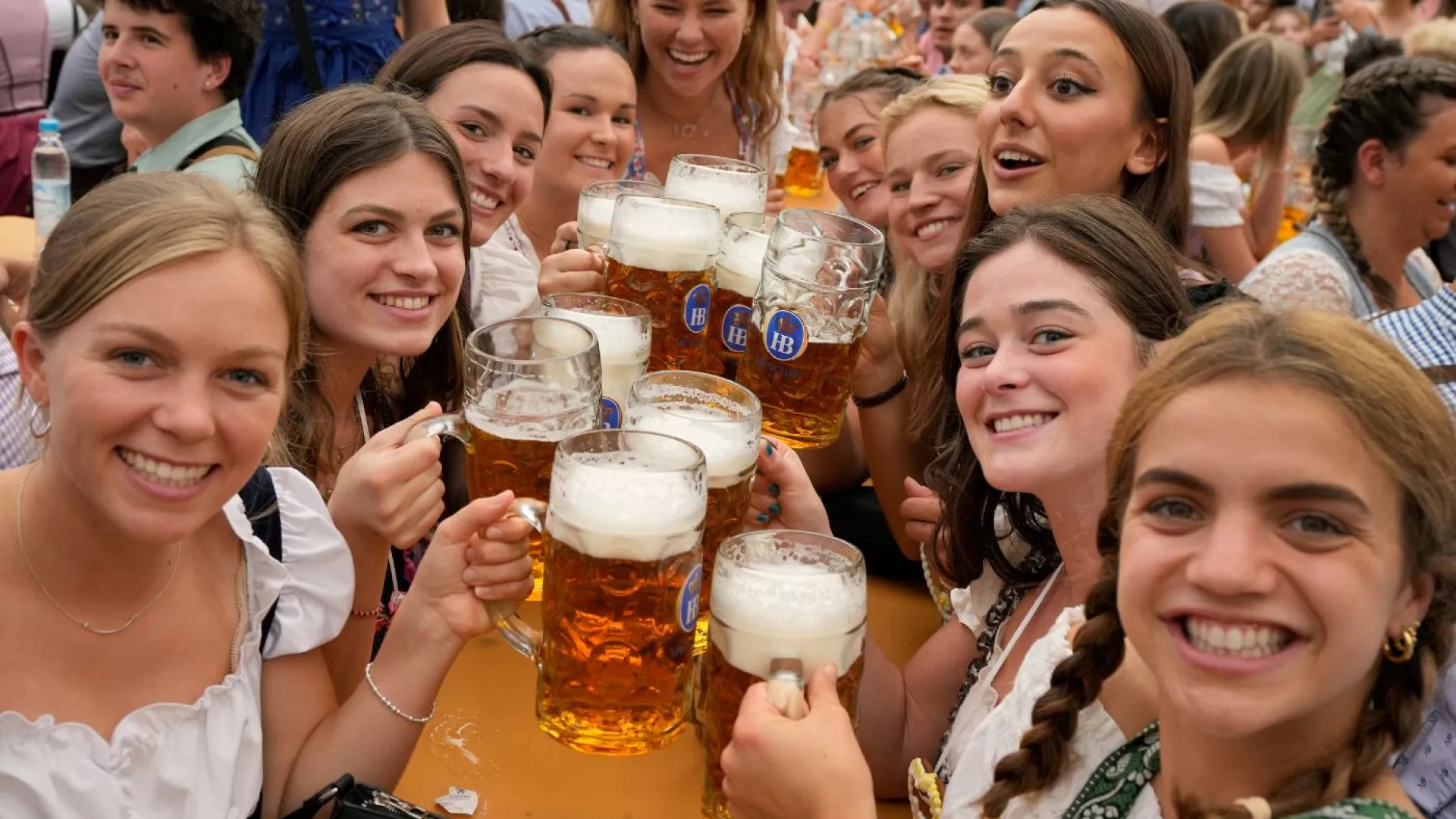
Once the toast of the world, German breweries now face existential pressure as Generation Z steers clear of pints—and tradition itself is at stake.
Munich, August 2025.
The sun may shine on Germany’s beer gardens, but the future of that tradition is dimming. In the first half of 2025, beer production plunged by 6.3 percent, marking the lowest output in decades. Per capita consumption has already collapsed from roughly 126 liters per year in 2000 to near 88 liters—its lowest since reunification. For emerging breweries, especially those with centuries of history, the message is clear: the taps may soon run dry.
This decline is not merely economic—it is generational. Among Generation Z, only about 24 percent report consuming beer regularly, compared to 33 percent of Millennials and 35 percent of Generation X. Beer is no longer a casual social habit for this cohort—it is increasingly seen as optional, even indulgent.
Brewers across Germany are acutely aware of the crisis. The president of the German Brewers Association admitted that even storied breweries may be forced to close without reversal of this trend. While Germany produces over 800 types of non-alcoholic beer, that variety has not stemmed the overall decline. Production of non-alcoholic beer may be up, but its growth cannot offset the collapse of traditional alcohol-driven demand.
This pattern echoes broader European shifts. A growing number of young Europeans, including Germans, reject alcohol for health, financial, and social-image reasons. Many avoid drinking entirely, favoring sober gatherings and alternative beverages. In Germany today, it is becoming more fashionable to be sober than to be inebriated—beer has lost its social cool.
Even global data suggest Europe is redefining its drinking culture. While Generation Z previously stood out for moderation, recent surveys indicate their alcohol participation has rebounded and now nearly matches that of older generations in markets like the United States, the United Kingdom, and Australia. Still, Germany’s specific trend remains stark: a steep generational drop with serious implications for the brewing industry.
Amid rising energy costs and economic uncertainty, small breweries are especially vulnerable. Producing non-alcoholic beer requires costly equipment—often prohibitive for small-scale operations. As these businesses struggle to compete, some are shifting toward lighter beverages like Radler or fruit-infused drinks to survive.
Germany’s brewing traditions face a reckoning. In Berlin, long-standing pubs are closing, and Beer Day celebrations reflect nostalgia more than vitality. Even at Oktoberfest, attendance remains high, but the volume of beer poured has fallen significantly. The cultural bond once symbolized by beer mugs is unraveling.
Ultimately, this is not just about changes in consumption—it is about identity. For a nation whose global image is inseparable from beer, the retreat of younger drinkers signals a larger cultural shift. The survival of Germany’s breweries depends now on reinvention—not resistance.
Esta pieza fue desarrollada por el equipo editorial de Phoenix24 con base en fuentes confiables, datos públicos y análisis riguroso, en coherencia con el contexto global vigente.
This piece was developed by the Phoenix24 editorial team using reliable sources, public data, and rigorous analysis in alignment with the current global context.