

 Phoenix 24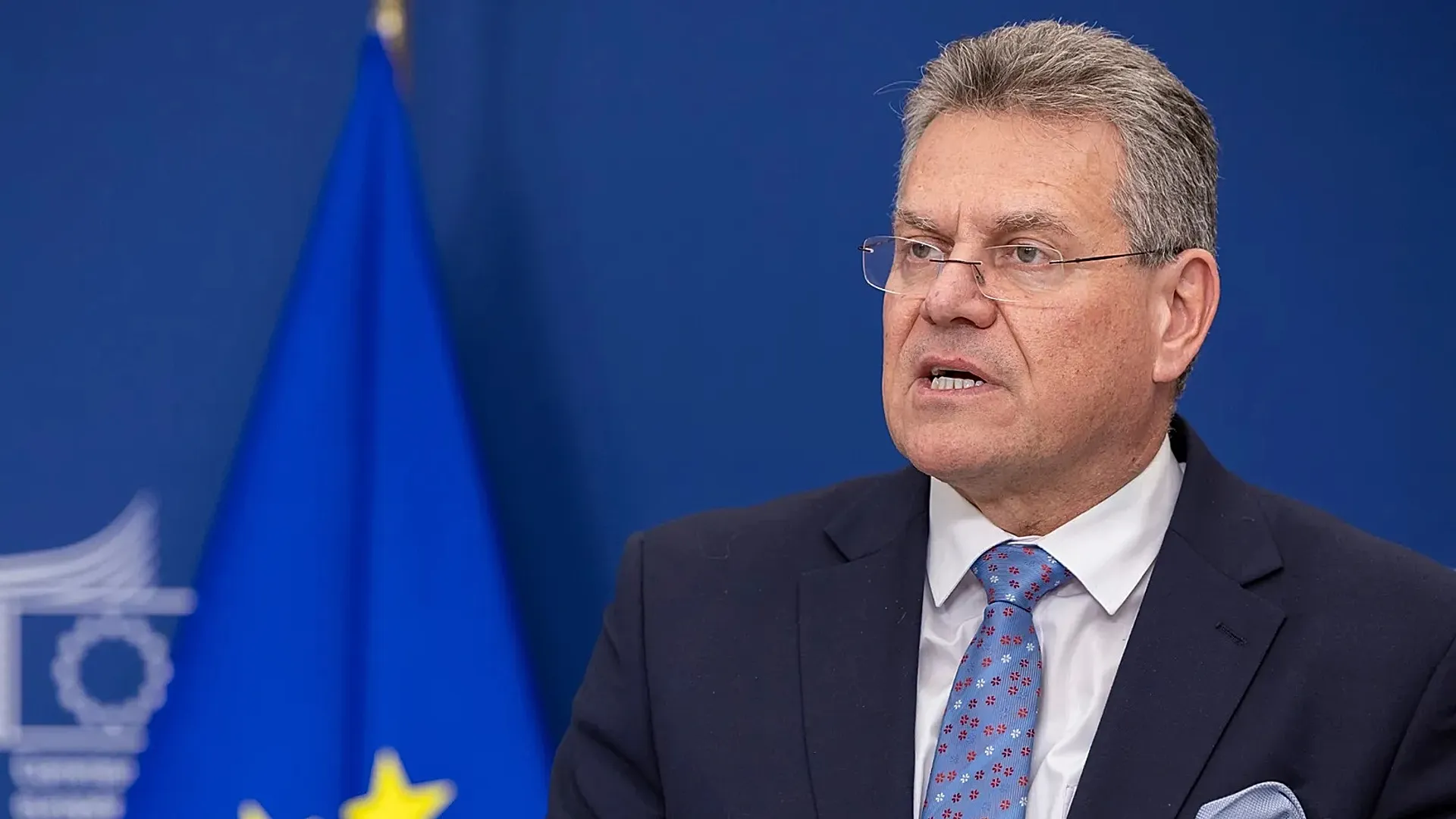
Trade imbalance and strategic tensions define new negotiations
Brussels, Belgium | June 2026
The European Union has set October as the deadline to obtain tangible results in its negotiations with China, as Brussels seeks to rebalance a trade relationship increasingly marked by deficits, industrial pressure and strategic mistrust. The announcement came after EU Trade Commissioner Maroš Šefčovič met in Brussels with Chinese Commerce Minister Wang Wentao, opening a new phase of talks aimed at reducing economic tensions between the two sides.
The negotiations are focused on one of the European Union’s most urgent economic concerns: the growing trade imbalance with China. European officials have warned that Chinese exports to the bloc continue expanding while European companies face declining market share and persistent obstacles in China. For Brussels, this trend is no longer sustainable and requires concrete progress before the next high-level meeting expected in Beijing in October.
The EU and China agreed to continue discussions through working groups focused on trade rebalancing, export controls, intellectual property rights and reform of the World Trade Organization. These areas reflect the complexity of the relationship, which combines commercial dependence, technological competition and unresolved disputes over market access.
One of the most sensitive issues involves rare earths and critical raw materials, which are essential for electric vehicles, batteries, defense systems, wind turbines and advanced electronics. Europe remains highly dependent on Chinese supply chains, making export controls a major concern for industries that are already under pressure from global competition and energy costs.
Šefčovič said the talks were intensive and constructive, but also emphasized that results must be measurable. The European Union wants to avoid endless dialogue without practical outcomes, especially as member states face growing anxiety over the impact of Chinese industrial overcapacity on European manufacturers.
The debate has become sharper because European leaders increasingly refer to a new “China shock,” describing the pressure created by large volumes of Chinese products entering European markets. Electric vehicles, solar panels, batteries, steel, chemicals and other industrial goods have become part of a wider discussion about whether Europe can protect its productive base while remaining open to global trade.
China, for its part, has criticized what it sees as protectionist tendencies in Europe. Beijing has argued that restrictions, tariffs and export controls undermine free trade and damage mutual trust. Chinese officials also want the European Union to ease limitations on high-tech exports and treat Chinese companies fairly in European markets.
The October deadline therefore represents both a diplomatic opportunity and a political test. If both sides achieve progress, the talks could reduce the risk of further escalation and help stabilize one of the world’s most important economic relationships. If negotiations fail, the European Union may face stronger internal pressure to adopt tougher trade defense measures.
The issue is also linked to Europe’s broader strategy of “de-risking” from China. Brussels does not seek a full economic break with Beijing, but wants to reduce strategic vulnerabilities in critical sectors. That approach attempts to balance cooperation with caution, especially in areas where dependence could become a political or security risk.
For European industries, the outcome of the talks could be decisive. Companies want clearer rules, better access to the Chinese market and protection against unfair competition. Governments, meanwhile, are trying to avoid a trade war while responding to domestic pressure from sectors affected by low-cost imports.
The relationship between the European Union and China remains one of the most consequential in global trade. Together, they represent a major share of world commerce, but their partnership is now shaped by rivalry as much as cooperation. The October deadline signals that Brussels wants dialogue, but also expects results.
As both sides prepare for the next stage of negotiations, the central question is whether China will offer sufficient concessions to ease European concerns or whether the EU will move toward stronger defensive measures. For now, Brussels has placed the calendar on the table: by October, words must begin turning into concrete outcomes.
Phoenix24 News | Information with responsibility.