

 Phoenix 24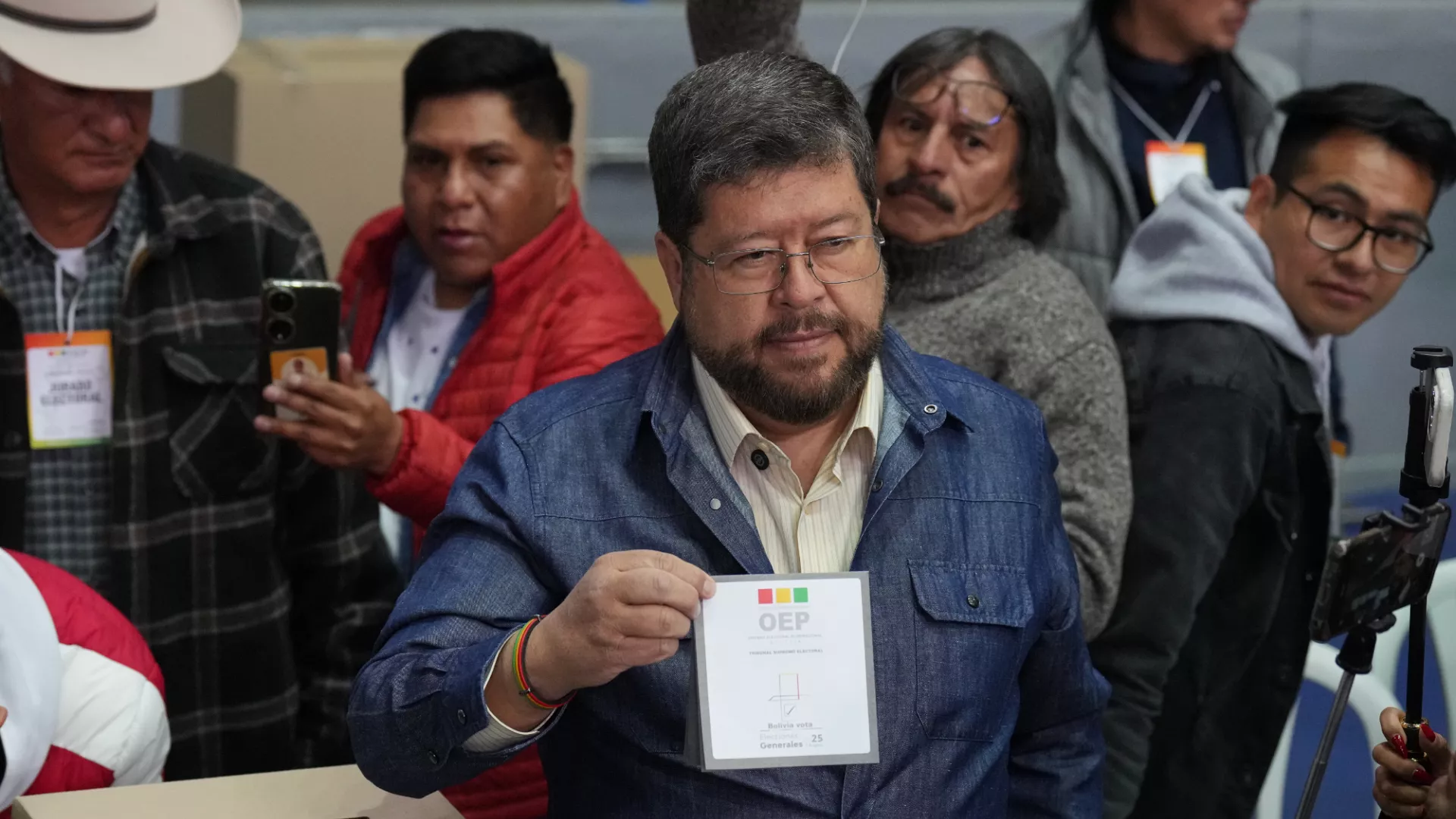
For the first time in two decades, Bolivians head to the polls amid economic hardship, fractured leftist unity, and an opposition positioned to seize power.
La Paz, August 2025.
In a moment of reckoning, Bolivians are participating in elections that may bring an end to nearly twenty years of rule by the leftist Movement Toward Socialism (MAS). The vote comes amid the nation’s most severe economic crisis in decades: inflation rates soaring above 20 percent, pervasive shortages of fuel and foreign currency, and the absence of two dominant political figures. Former President Evo Morales is barred from candidacy, and current leader Luis Arce opted not to run, propelling Bolivia toward uncharted political terrain.
Trailing behind are the two frontrunners—Samuel Doria Medina, a center-right businessman, and Jorge Quiroga, a conservative former president. Both campaign on promises of urgent fiscal reform, economic stabilization, and reestablishing ties with international investors. Yet neither commands majority support, as polls reveal that roughly 25 to 30 percent of voters remain undecided, potentially forcing a second-round vote in October if no candidate clears the required threshold.
Complicating the electoral landscape is the deep fracturing within the left. Andrónico Rodríguez, once anointed heir to the MAS legacy, now runs independently under a new coalition, signaling further ideological splintering. Meanwhile, Morales has urged his supporters to cast null ballots as a form of protest, emphasizing that invalid votes historically hold symbolic weight in Bolivian democracy.
For analysts monitoring Latin America, these ballots are fraught with symbolism. Bolivia’s abundant lithium reserves—among the world’s largest untapped—have been locked in regulatory limbo under MAS’s control. A political pivot to the right could herald reforms, foreign partnerships, and renewed exploitation of these strategic mineral assets. Bond markets already reflect cautious optimism, betting that political change may unlock economic stabilization and attract international capital.
Observers from beyond the Andes highlight that this might be a larger watershed than a mere domestic transition. MAS’s entrenchment in governmental institutions, state enterprises, and electoral apparatus suggests a difficult handover—even in defeat. Structurally, the party’s embedded power networks could prolong its influence, squeezing the incoming administration’s capacity to enact rapid change.
Social dynamics further elevate the stakes. Bolivia’s Indigenous backbone, once MAS’s strongest constituency, is showing signs of disillusionment—particularly among young Aymara voters who prioritize economic opportunity over ideological loyalty. As MAS falters at the ballot box, sectors within rural and urban communities alike may demand both continuity and transformation.
What unfolds in the coming weeks may determine not just who governs Bolivia, but how democratic transitions withstand institutional inertia. Should Doria Medina or Quiroga emerge as president, they face the challenge of economic stabilization, inclusive governance, and international partnership without alienating a still-powerful left-wing base. If no victor is declared in the first round, a second vote promises further political recalibration.
Bolivia has reached a turning point. The electorate is no longer voting solely on loyalty to MAS’s legacy—they are voting on survival, economic revival, and the nature of governance in a nation that has weathered ideological extremes for two decades. As the tally sheets are counted, Latin Americans watch to see whether Bolivia’s wist for change will ultimately fulfill or frustrate a shifting political narrative.
Esta pieza fue desarrollada por el equipo editorial de Phoenix24 con base en fuentes confiables, datos públicos y análisis riguroso, en coherencia con el contexto global vigente.
This piece was developed by the Phoenix24 editorial team using reliable sources, public data, and rigorous analysis in alignment with the current global context.