

 Phoenix 24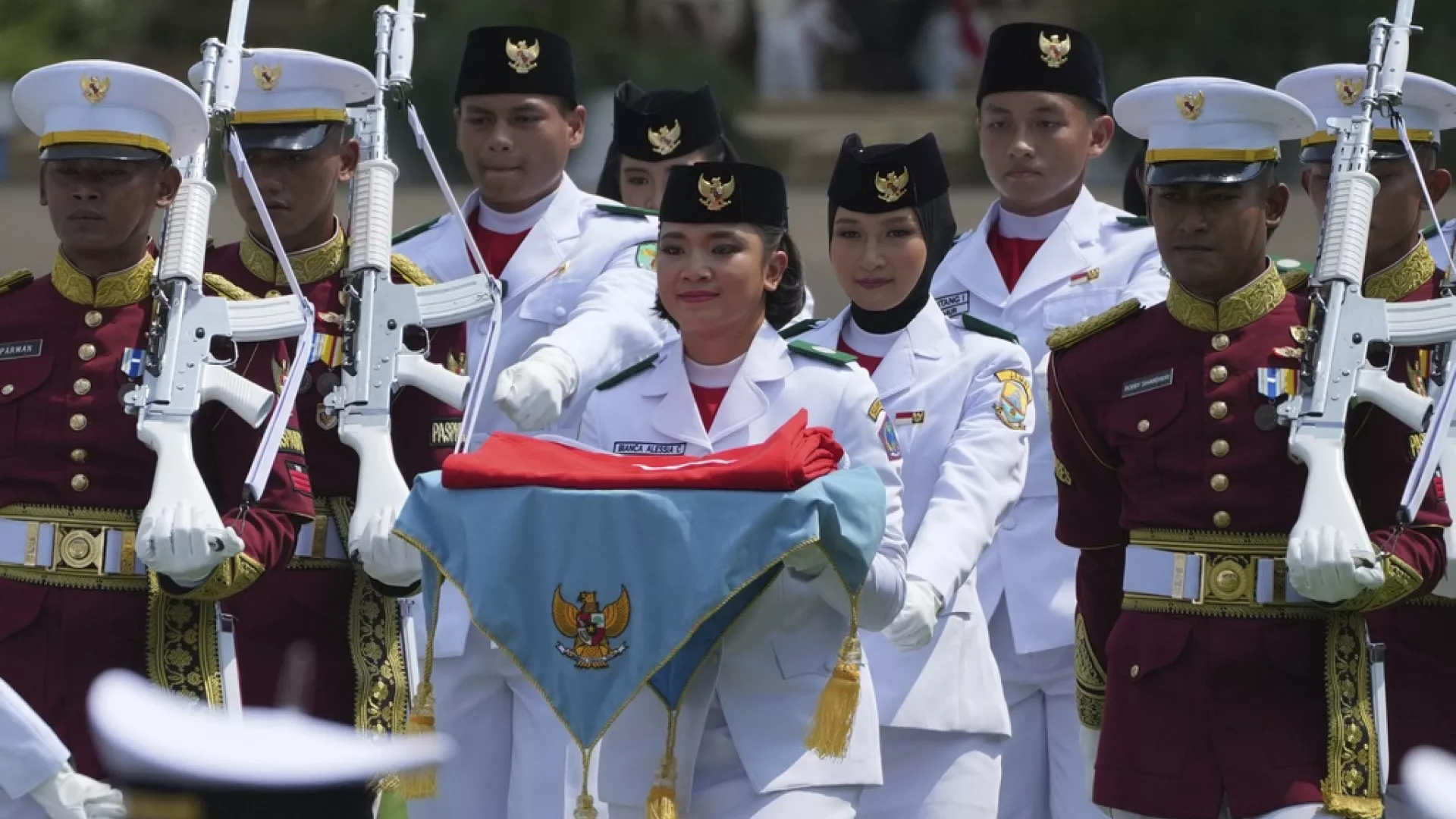
As the archipelago commemorates eight decades of sovereignty, it also positions itself as a regional beacon—offering refuge and medical care to wounded Gazans in the midst of a global humanitarian emergency.
Jakarta, August 2025.
Indonesia celebrates its 80th anniversary of independence not only with national ceremonies and patriotic symbolism, but with a gesture that projects its influence far beyond its own borders. The government has announced that it will receive and provide treatment to approximately two thousand Palestinians wounded in Gaza. President Prabowo Subianto confirmed that Galang Island, a site with a historical legacy as a refugee camp and later as a quarantine facility during the pandemic, will be adapted into a humanitarian center equipped to host patients and their families. Once recovered, those admitted will be returned to their homeland, reinforcing the temporary and emergency-driven nature of this mission.
This decision does not exist in isolation. The Indonesian Armed Forces have already dispatched the Garuda Merah Putih II Task Force, coordinating logistics with Jordan, to deliver food, medicine, and emergency relief to Gaza. At the same time, the National Alms Agency (Baznas), universities, and civil society organizations have amplified donations and mobilized resources, converting the Independence Day celebrations into a platform for collective humanitarian commitment.
The initiative, however, has also sparked debate. Certain clerical groups and sectors of civil society express concern that such relocation—even when temporary—may echo relocation proposals backed by major powers, raising fears of demographic engineering or subtle political concessions over Palestinian sovereignty. The government has responded firmly: Indonesia rejects any form of permanent displacement and reaffirms its position in favor of a two-state solution, a cornerstone of its foreign policy since it officially recognized Palestine in 1988.
Indonesia’s constitutional mandate—that independence is a right of all peoples—serves as both moral compass and political argument. Over decades, Jakarta has provided scholarships, institutional partnerships, and consistent aid to Palestinian communities. By extending its 80th anniversary celebrations to include this humanitarian measure, Indonesia underscores the continuity between its own historical struggle for liberation and the ongoing demands for Palestinian self-determination.
This move also coincides with the escalating human cost of the conflict. Health authorities in Gaza report more than sixty thousand Palestinian deaths since October 2023, with infrastructure destroyed and humanitarian corridors repeatedly obstructed. The United Nations and multiple NGOs warn of famine, disease, and displacement on a scale unseen in the region for decades. Against this backdrop, Jakarta’s decision to open its territory for medical relief carries both symbolic weight and operational consequences.
International observers highlight two key dimensions: first, Indonesia’s emergence as a leader of humanitarian diplomacy in the Global South, offering not only aid but moral legitimacy; and second, the balancing act required to avoid domestic polarization. While many Indonesians embrace the decision as a fulfillment of national ideals, others fear the country could be drawn into a broader geopolitical struggle. Prabowo’s government, conscious of these dynamics, insists on framing the initiative as temporary relief, strictly humanitarian, and aligned with international law.
The symbolism is unmistakable. On the 80th anniversary of its independence, Indonesia links its national identity to an outward-looking principle: freedom must be defended not only at home but wherever injustice threatens human dignity. At a time when global governance appears fractured and humanitarian norms eroded, Jakarta’s decision situates the world’s largest Muslim-majority democracy as a voice of conscience in Asia and beyond.
Esta pieza fue desarrollada por el equipo editorial de Phoenix24 con base en fuentes confiables, datos públicos y análisis riguroso, en coherencia con el contexto global vigente.
This piece was developed by the Phoenix24 editorial team using reliable sources, public data, and rigorous analysis in alignment with the current global context.