

 Phoenix 24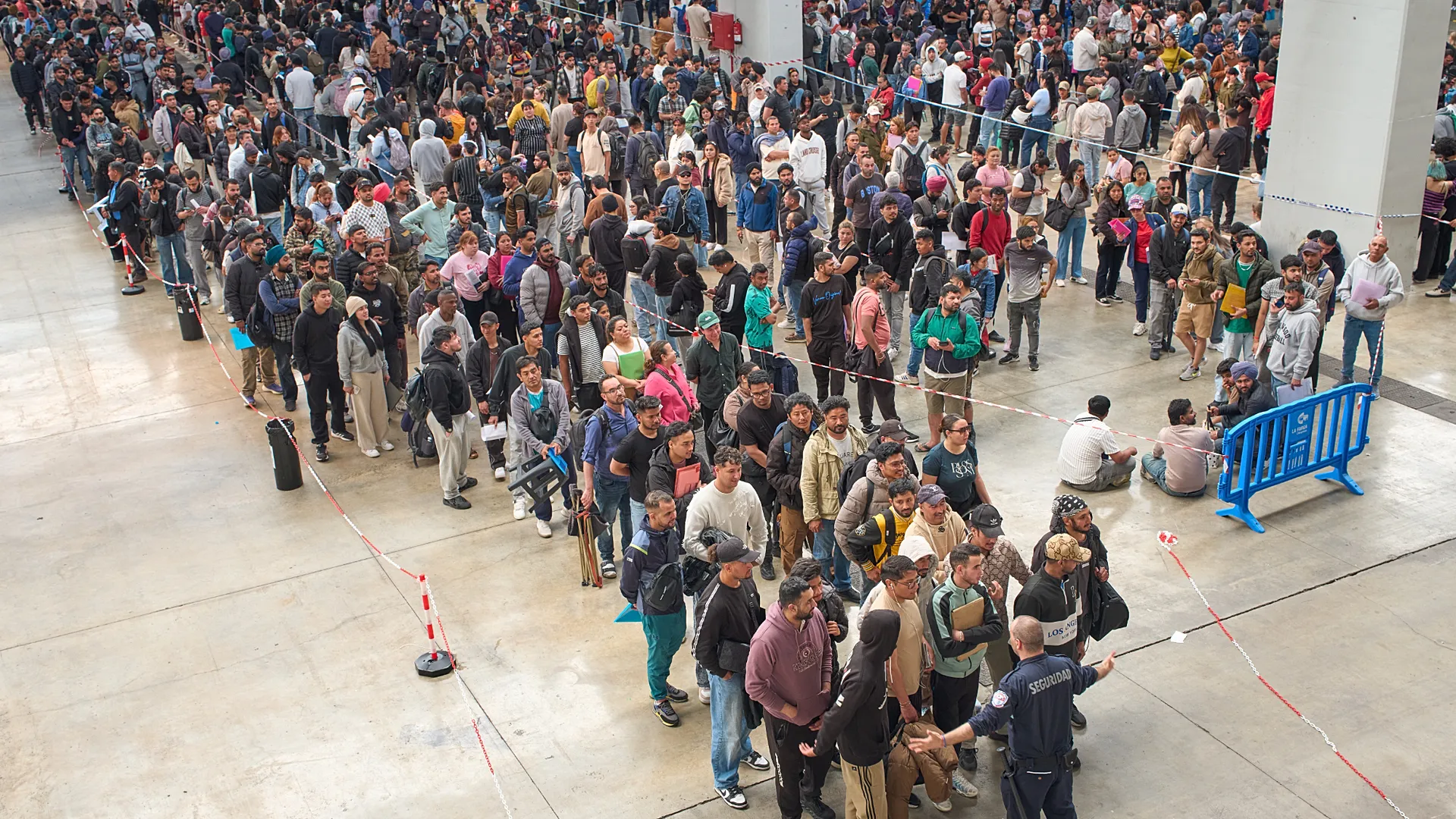
Thousands of descendants still await citizenship decisions
Madrid, Spain | June 2026
Spain’s so-called “Grandchildren Law” has returned to the center of public debate after granting Spanish nationality to hundreds of thousands of descendants of Spaniards who left the country because of exile, political repression, economic hardship or historical displacement. Officially connected to the Democratic Memory Law, the measure allowed children and grandchildren of Spanish emigrants to recover citizenship without having to reside in Spain.
The law became especially important for families in Latin America, where millions of people maintain Spanish ancestry through parents, grandparents or great-grandparents who left Spain during the twentieth century. Argentina, Cuba, Mexico, Venezuela and other countries became key centers of demand, as consulates received an extraordinary number of appointment requests and citizenship applications.
The measure was designed as an act of historical restitution. It recognized that many Spaniards lost their link with the country not by personal choice, but because of exile, dictatorship, gender-based legal restrictions or forced migration. For their descendants, recovering nationality represents more than a legal document; it also restores a family connection interrupted by political and historical circumstances.
Under the law, eligible applicants included descendants of Spaniards who had lost or renounced nationality as a result of exile, children of Spanish women who lost nationality after marrying foreigners before the 1978 Constitution, and adult children of those who had previously obtained Spanish nationality through earlier memory-based legislation.
The application period officially closed in October 2025 after being extended because of the high volume of requests. However, thousands of files remain under review across the Spanish consular network. This has kept the issue active in 2026, especially among families still waiting for appointments, resolutions or official registration.
The political debate has intensified because the process may also increase the number of Spanish citizens living abroad who are eligible to vote. Some opposition voices have questioned whether the expansion of the electoral census could have political consequences, while the Spanish Government has defended the measure as a matter of legality, historical justice and democratic memory.
Supporters argue that the law corrects an old injustice and recognizes the rights of families affected by exile and migration. Critics, however, have expressed concern about administrative overload, electoral impact and the long-term implications of granting nationality to large numbers of people who may never reside permanently in Spain.
Beyond the political dispute, the law has had a profound emotional impact. For many applicants, Spanish citizenship is linked to family stories, inherited memories, old documents, grandparents’ testimonies and the desire to reconnect with a country that remained present across generations. In that sense, the process has become both a bureaucratic procedure and a symbolic return.
The “Grandchildren Law” also shows how nationality is no longer understood only as a territorial status, but as a historical and cultural bond. In a globalized world marked by migration, dual citizenship and transnational families, Spain’s decision reflects a broader question: how far should states go in repairing historical ruptures through citizenship?
As pending applications continue to move through the consular system, the debate remains open. For thousands of descendants, the law represents recognition, identity and belonging. For Spain, it is a complex intersection of memory, migration, law and politics that continues to reshape the meaning of citizenship beyond its borders.
Phoenix24 News | Information with responsibility.