

 Phoenix 24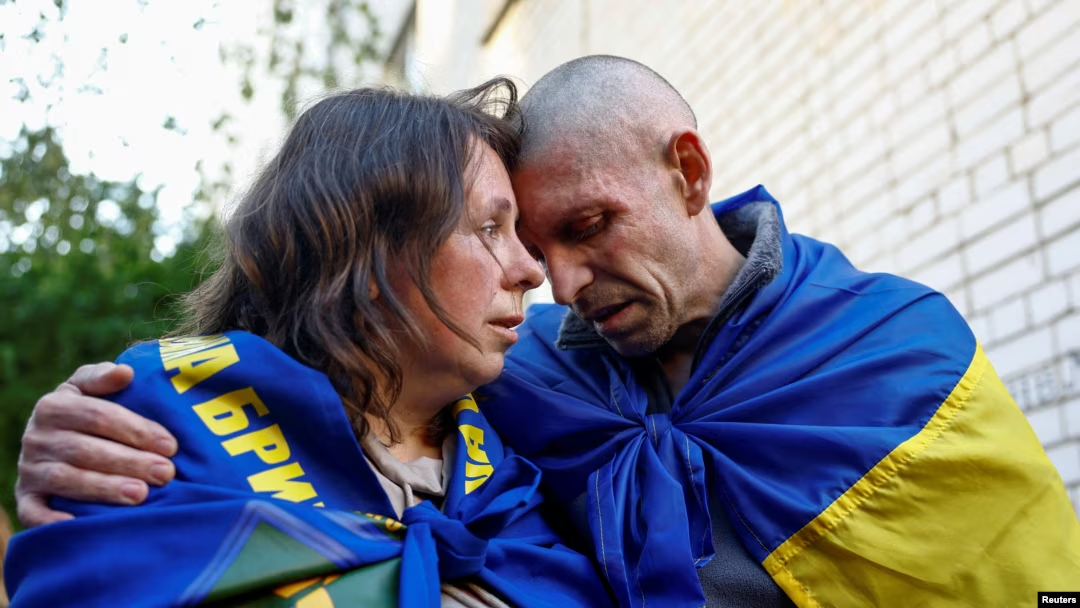
In the shadow of diplomacy, perceptions can become pawns in a larger war.
Kyiv, August 12, 2025 — A war of narratives between Moscow and Kyiv has intensified over the execution of a prisoner exchange agreement forged in Istanbul. The Russian Foreign Ministry alleges that Ukraine is stalling the process by refusing to receive 1,000 captured soldiers, whose details—including names, ranks, and birth dates—have been disseminated by state-controlled media. These claims, amplified by pro-Kremlin channels, remain unverified and appear to be part of a broader information campaign designed to shape international opinion.
Ukraine’s authorities quickly rejected the allegations, denouncing them as manipulative tactics aimed at disrupting the humanitarian accord. The Ukrainian Coordination Headquarters for the Treatment of Prisoners of War accused Russia of acting unilaterally in breach of the Istanbul agreement, stressing that no final date had been set for the transfer of bodies.
From the Kremlin’s side, chief negotiator Vladimir Medinsky insisted that Russia remains ready to carry out the exchange. He claimed that Moscow has already delivered the remains of 1,212 Ukrainian soldiers and presented a list of 640 prisoners of war—categorized as severely wounded, gravely ill, or under the age of 25—to initiate the swap. According to Russian accounts, Ukrainian representatives failed to appear at the agreed meeting point, further delaying the process.
President Volodymyr Zelenskiy reaffirmed Ukraine’s commitment to the prisoner exchange, accusing Moscow of political manipulation and selective disclosure of facts. He noted that Kyiv has not received a complete list of prisoners as originally agreed and confirmed that preparations for exchanging 1,200 captives were still underway. Ukrainian officials maintain that the integrity of the process depends on full transparency and the adherence of both parties to previously established terms.
International observers see this impasse as more than a procedural delay. Analysts at strategic policy institutes argue that it reflects a deeper struggle for legitimacy and moral high ground. For Moscow, portraying Ukraine as the obstructive party strengthens its diplomatic leverage, particularly in forums where humanitarian credibility still influences political outcomes. For Kyiv, the priority lies in demonstrating adherence to international norms while exposing any evidence of Russian unilateralism or bad faith.
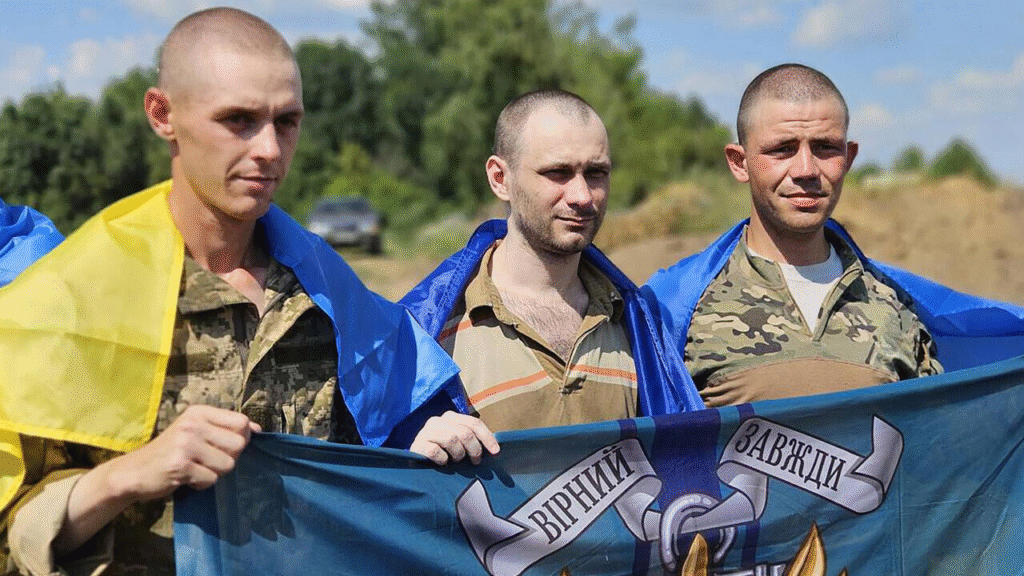
Behind the public statements, both sides are also engaged in psychological and information warfare. By publicizing prisoner lists, Moscow can sow division and anxiety within Ukrainian society, pressuring the government to respond under public scrutiny. Kyiv, on the other hand, can leverage its diplomatic alliances to push for third-party verification, ensuring that the exchange process cannot be manipulated for propaganda purposes.
The Istanbul agreement, initially presented as a breakthrough in easing some of the war’s human toll, is now at risk of being undermined by mutual distrust. While exchanges of this nature have taken place in previous conflicts under the supervision of neutral intermediaries, the current climate—marked by high-intensity combat operations and mutual accusations—complicates any attempt at swift resolution.
If neither side shifts position, the deadlock could persist for months, eroding the viability of future humanitarian arrangements and prolonging the captivity of those involved. A disruption to the stalemate could occur if international mediators, potentially under the auspices of the United Nations or the International Committee of the Red Cross, succeed in verifying compliance and restoring confidence in the process. This would require both sides to allow independent oversight—something neither has yet agreed to in full.
There is also the possibility of a bifurcation in the narrative if independent journalists or open-source intelligence analysts uncover evidence that definitively confirms or contradicts the Kremlin’s claims. Such findings could dramatically shift public opinion and influence diplomatic positions, either bolstering Ukraine’s stance or forcing it to address documented procedural delays.
In the end, the question is not solely whether the exchange will take place, but under what conditions and with what degree of transparency. For the families of prisoners on both sides, each delay carries not just political weight, but personal anguish—a reminder that in war, even humanitarian acts are often subject to the same strategic calculations as the battles fought on the front lines.
This piece was developed by the Phoenix24 editorial team using reliable sources, public data, and rigorous analysis in alignment with the current global context.
Esta pieza fue desarrollada por el equipo editorial de Phoenix24 con base en fuentes confiables, datos públicos y análisis riguroso, en coherencia con el contexto global vigente.