

 Phoenix 24
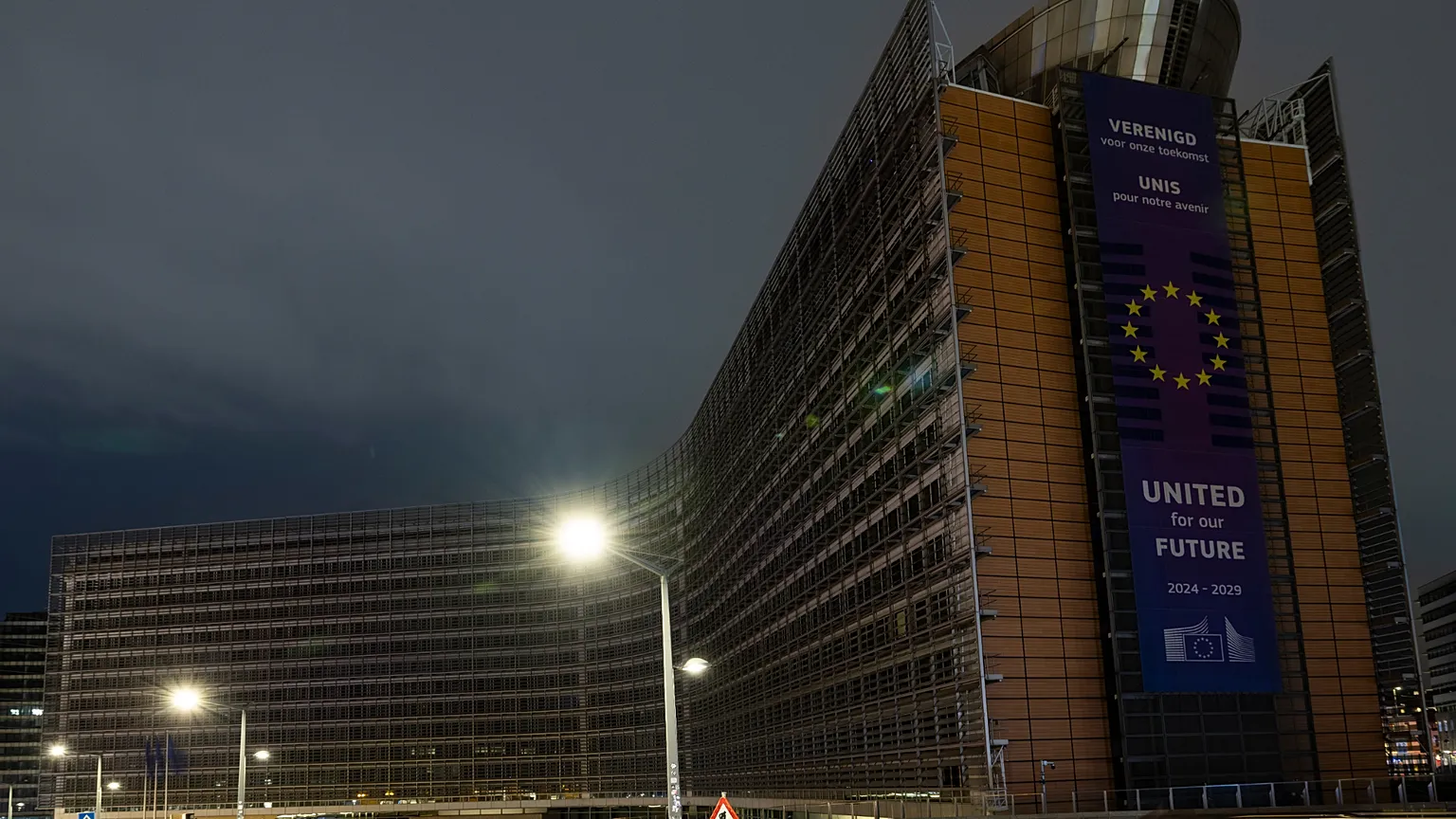
Europe’s digital defenses face a serious institutional test.
Brussels, Belgium
The European Commission has confirmed that its internal systems were targeted by a cyberattack involving artificial intelligence tools, raising concerns about the security of sensitive employee information within the European Union’s executive institution. The incident, detected on October 22 and confirmed following an initial investigation on October 26, prompted emergency protective measures and the temporary shutdown of several administrative applications. European authorities are still investigating whether attackers gained access to confidential personal records.
Commission spokesperson Thomas Regnier acknowledged the cyber campaign during a press briefing on November 19, confirming that artificial intelligence tools had been used in the operation. Although the institution has contained significant elements of the attack, investigators have not yet established its complete scale, the identity of those responsible or the full extent of any potential data exposure.
The disruption affected internal administrative services, according to reporting by Euronews and Politico. Among the systems identified was Sysper, the Commission’s human resources platform used for salary information, leave requests, working-time records and professional training. Another affected service was the Joint Sickness Insurance Scheme, which manages medical reimbursement procedures for European Union personnel.
The sensitivity of these systems creates particular concerns about personal information. Employee databases may contain names, residential addresses, contact details, salary records and health-related information, making unauthorized access potentially consequential even when the institution’s broader operational infrastructure remains unaffected. However, access to these categories of information has not been confirmed, and the existence of a cyberattack does not automatically establish that records were stolen.
The Commission has emphasized that investigators have found no evidence of a data breach affecting its workforce as a whole. Most temporarily disabled applications have since been restored, although some services remained unavailable when the incident became public. The institution is coordinating its response with CERT-EU, the cybersecurity service responsible for European Union institutions, and the European Data Protection Supervisor.
A particularly important dimension of the incident concerns the reported use of artificial intelligence in offensive cyber operations. Technologies originally developed to identify software vulnerabilities and strengthen defensive capabilities can also be misused to automate reconnaissance, accelerate technical assessments and support malicious activity. European officials confirmed the involvement of AI tools but have not publicly identified the specific software used or disclosed the methods employed by the attackers.
The episode comes amid broader concerns about the resilience of European institutional infrastructure. Earlier in 2026, the Commission experienced a separate cybersecurity incident involving cloud services supporting its public websites. Although no connection between the two incidents has been established, their occurrence within the same year reinforces the importance of continuous security assessment and effective incident management.
Beyond the immediate technical response, the attack raises questions about institutional transparency and digital governance. European institutions promote rigorous cybersecurity and data protection standards across the bloc, creating an expectation that their own systems demonstrate comparable levels of resilience, accountability and operational preparedness.
The investigation will therefore have implications extending beyond the restoration of affected applications. Establishing how the intrusion occurred, whether information was compromised and which safeguards proved effective will be essential to evaluating the institution’s response and identifying potential weaknesses.
As artificial intelligence becomes more deeply integrated into both defensive and offensive cybersecurity capabilities, European authorities face an increasingly complex challenge: protecting digital institutions against threats that can evolve faster than conventional security procedures. The Commission’s experience illustrates how institutional trust now depends not only on technological sophistication, but also on the ability to identify vulnerabilities, communicate responsibly and demonstrate that sensitive information remains protected.
Beyond the Headlines, Accountability Matters.