

 Phoenix 24
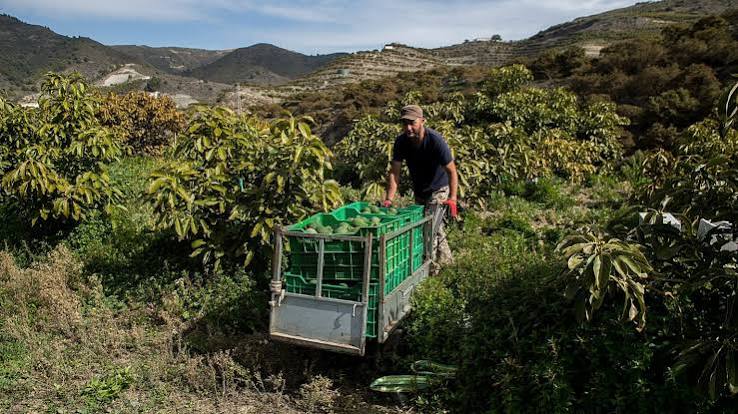
Higher pay for low-income workers sparks debate over economic priorities.
MADRID, Spain — November 2026. Spain’s government is preparing to approve a 5.3% increase in the national minimum wage for 2027, raising monthly gross pay to €1,286 as the country approaches a general election scheduled for November 29.
Deputy Prime Minister and Labour Minister Yolanda Díaz confirmed on November 16 that the Council of Ministers would consider the measure on Tuesday, November 17, following consultations with employers’ organizations and trade unions.
The proposed increase would raise the minimum wage from €1,221 to €1,286 per month across 14 annual payments, equivalent to €18,004 in gross annual earnings.
Workers receiving the minimum wage would gain €65 per payment, or €910 annually, before considering any individual circumstances affecting compensation.
The government also plans corresponding income-tax adjustments intended to ensure that people earning the new minimum wage remain exempt from personal income tax.
The proposed 5.3% increase exceeds the 4.9% recommendation submitted by the Labour Ministry’s expert advisory commission but falls short of the 7% demanded by Spain’s two major trade unions, UGT and CCOO.
Díaz defended the measure as an instrument for addressing low pay and reducing in-work poverty. She also encouraged employers and unions to pursue improvements through collective bargaining agreements.
According to government figures, Spain’s minimum wage will have risen by approximately 75% since 2018 if the latest increase takes effect.
However, the timing has prompted criticism from business organizations.
The Spanish Confederation of Business Organizations (CEOE) has questioned the decision to advance the measure during an election campaign, arguing that negotiations should take place after the vote.
The organization also maintains that the economic implications of higher labour costs require careful consideration.
Trade unions have welcomed the increase while continuing to seek changes in rules governing salary supplements, which can affect how minimum-wage adjustments translate into employees’ final compensation.
The announcement has exposed another disagreement within Spain’s governing coalition.
Díaz criticized the Socialist Workers’ Party (PSOE) over proposed reforms to working-time registration, accusing its representatives of obstructing regulations intended to improve oversight of overtime.
She argued that the government could approve the measures before the election, citing an estimated 2.5 million hours of overtime worked weekly in Spain.
The wage proposal has already undergone a public consultation process, but its formal approval remained pending as of November 16.
Beyond the electoral debate, the decision raises a broader economic question: how governments can improve purchasing power for low-income workers while addressing business costs, employment conditions and productivity.
Its consequences will depend on implementation, collective bargaining practices and the wider performance of Spain’s economy.
Beyond the Numbers, the Consequences.