

 Phoenix 24
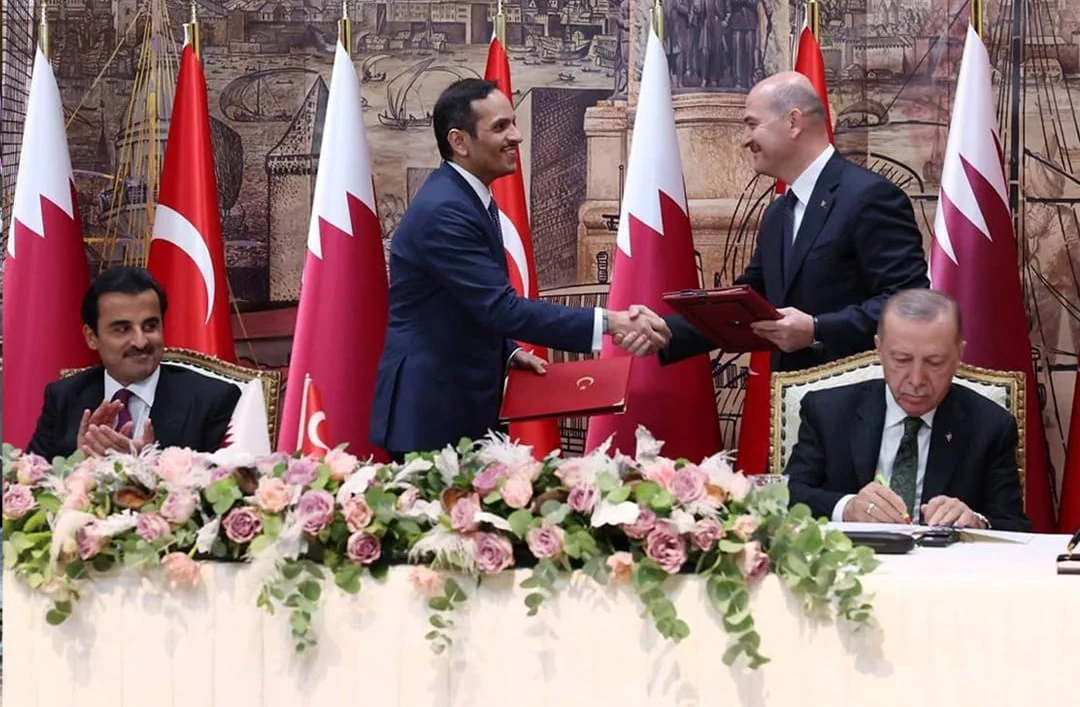
An expanding security partnership reshapes regional defense cooperation.
ISTANBUL, Türkiye. Türkiye and Qatar have signed a mutual defense agreement committing both countries to a coordinated position against external armed attacks, strengthening their strategic partnership as the Middle East confronts heightened military tensions and uncertainty over regional security arrangements.
The agreement was signed on November 13 during talks between Turkish President Recep Tayyip Erdoğan and Qatar’s Emir Sheikh Tamim bin Hamad Al Thani in Istanbul. The meeting formed part of the 12th session of the Türkiye-Qatar Supreme Strategic Committee, a bilateral mechanism established to deepen political, economic and security cooperation.
According to a joint communiqué, the pact aims to strengthen collective defense, protect national sovereignty and territorial integrity, and promote regional stability. Both governments agreed to consult on security threats, expand joint military exercises, increase personnel training exchanges and deepen cooperation between their defense industries.
Although the agreement establishes a common position against external aggression, the publicly disclosed communiqué does not specify the military response that either country would be required to provide in the event of an attack. That distinction is important when assessing the pact’s potential operational consequences.
The timing reflects growing concerns about regional instability following the war involving Iran, the United States and Israel. Disruptions to shipping through the Strait of Hormuz and attacks affecting Gulf infrastructure have encouraged governments to reassess their defense capabilities and strategic partnerships.
Türkiye and Qatar already maintain extensive military ties, including a Turkish military presence in Qatar and cooperation in defense training and equipment development. The latest agreement builds upon those arrangements rather than establishing an entirely new relationship.
It also follows Türkiye’s participation in a separate defense pact with Saudi Arabia and Pakistan, reflecting a broader movement toward regional security cooperation. However, the agreements have different membership structures and should not be interpreted as a single military alliance.
Beyond defense, Erdoğan and Sheikh Tamim discussed energy cooperation, particularly liquefied natural gas, alongside developments in Gaza, Syria and Libya. Both governments emphasized diplomatic engagement and the need to prevent renewed warfare in the Gulf.
The partnership could also strengthen regional defense manufacturing and reduce dependence on external equipment suppliers, although specific new production commitments have not been announced.
For Türkiye, closer cooperation with Qatar reinforces its diplomatic and military presence in the Gulf. For Doha, the agreement provides an additional framework for security coordination amid changing regional conditions.
Its long-term significance will depend on how both governments translate their commitments into military coordination, industrial cooperation and practical mechanisms for responding to future threats.
Behind Every Decision, a Larger Consequence.