

 Phoenix 24
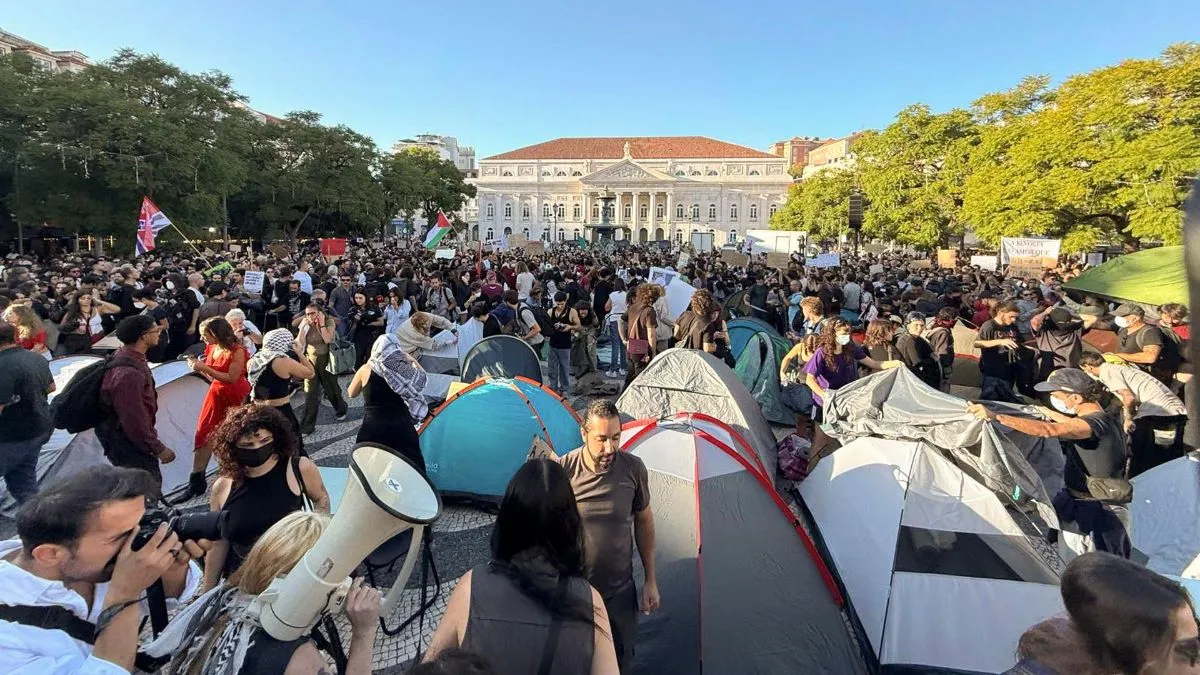
Rising housing costs intensify demands for economic and social change.
LISBON, Portugal. Thousands of demonstrators are mobilizing across at least 32 Portuguese cities on November 14 to protest proposed rental reforms that housing organizations warn could deepen the country’s affordability crisis. Organized by the Casa para Viver platform, the nationwide demonstrations reflect growing frustration over soaring property prices, escalating rents and the declining accessibility of housing for ordinary households.
The protests are taking place in Lisbon, Porto and numerous other cities under a campaign defending housing as a fundamental right. In the capital, participants are marching from Alameda Dom Afonso Henriques toward Martim Moniz, while demonstrators in Porto are gathering near Marquês before proceeding toward Praça D. João I.
At the center of the dispute is the government’s proposed reform of Portugal’s Urban Rental Regime. The legislation would give landlords greater flexibility in setting rents, modify protections for long-standing tenants and shorten certain eviction procedures involving unpaid rent from three months to two.
Prime Minister Luís Montenegro’s government argues that greater flexibility would encourage property owners to return homes to the rental market, potentially expanding supply. Housing campaigners dispute that approach, warning that weaker tenant protections and fewer price restrictions could worsen affordability.
The economic figures illustrate the scale of the challenge. Portuguese housing prices increased by approximately 147% between 2015 and 2025, according to European data, placing the country among those experiencing the sharpest increases in the European Union.
More recently, property prices rose nearly 20% between the first quarters of 2025 and 2026, while residential rents have increased approximately 68% since 2020.
The widening gap between housing costs and household incomes has intensified public dissatisfaction. Protest organizers argue that government definitions of moderately priced housing fail to reflect the financial circumstances of many Portuguese workers.
The demonstrations also follow police interventions against protest encampments in Lisbon and Porto, where activists had established temporary camps to demand stronger housing protections.
Beyond rental legislation, campaigners are calling for expanded public housing, action against property speculation and reconsideration of incentives associated with foreign investment and digital nomads.
Portugal’s housing pressures reflect broader tensions involving tourism, international property investment, limited affordable supply and wage growth that has struggled to match real estate prices.
For policymakers, the central challenge is balancing incentives for housing construction and private investment with effective protection for tenants and lower-income households.
The nationwide mobilization demonstrates how housing affordability has become a defining economic and social issue, with implications extending beyond Portugal to other European cities facing similar pressures.
Beyond the Numbers, the Human Consequences.