

 Phoenix 24
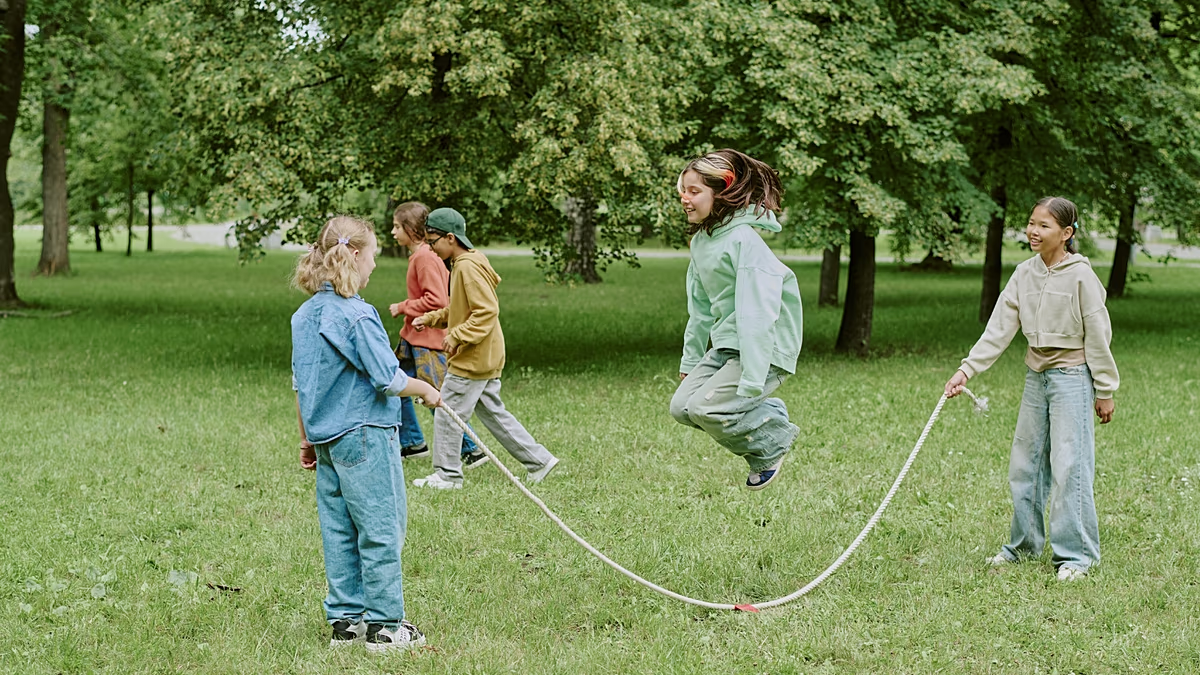
A simple outdoor habit may support healthier childhood development.
EXETER, United Kingdom. Children who visit parks and playgrounds at least once a week demonstrate better emotional wellbeing and social development than those who visit less frequently, according to a new British study involving 4,219 participants. The findings suggest that access to public green spaces could play an important role in supporting childhood mental health.
Researchers from the Universities of Exeter and Bristol examined longitudinal data from the Children of the 90s study, formally known as the Avon Longitudinal Study of Parents and Children. Their findings, published in Epidemiology and Community Health, showed that children with regular park exposure achieved, on average, 16.5% better scores on assessments of mental health and social-emotional development.
The association remained after researchers accounted for socioeconomic circumstances and family adversity, suggesting that the relationship could not be explained solely by differences in household resources or living conditions.
Lead researcher Mark Ferguson of the University of Exeter emphasized that parks provide opportunities for physical activity, imaginative play and social interaction. These experiences can help children develop independence, confidence and the ability to manage emotions.
The research also identified associations with fewer emotional difficulties, peer relationship problems, behavioral challenges and symptoms involving hyperactivity or inattention.
Importantly, the longitudinal analysis examined changes within individual children over time. Participants generally demonstrated better social-emotional outcomes during periods when they visited parks more frequently.
However, the observational findings establish an association rather than definitive proof that park visits directly caused the improvements. Additional research is needed to determine how the results apply to children living in different countries and social environments.
The study also raises important questions about urban inequality. Children from more economically advantaged backgrounds tended to visit parks more frequently at younger ages, although patterns changed as participants grew older.
Researchers suggest that accessible public parks could have an equigenic effect, helping narrow developmental inequalities between socioeconomic groups by providing opportunities for recreation and social participation at little or no cost.
That potential depends on the availability of safe, welcoming and well-maintained facilities. Simply having a park nearby does not guarantee that families can use it comfortably.
The findings offer a broader perspective on childhood mental health: supporting healthy development may require not only clinical services and educational interventions, but also urban environments that make everyday outdoor activity possible.
For families and policymakers, the message is significant. Public green spaces are more than recreational amenities; they may represent valuable infrastructure for children’s emotional and social wellbeing.
Behind Every Discovery, a Deeper Story.