

 Phoenix 24
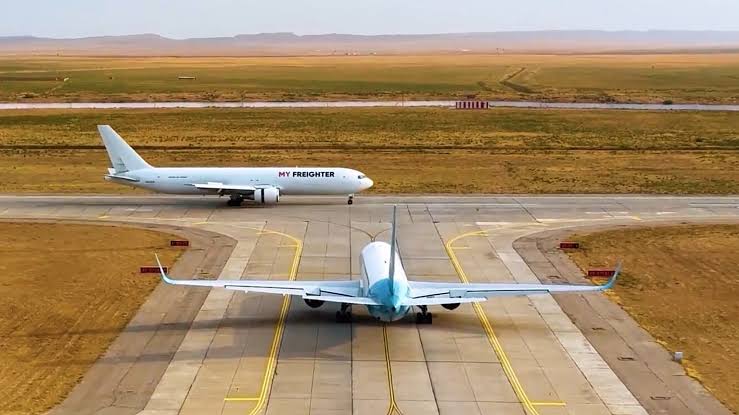
Regional connectivity advances amid rising aviation costs.
TASHKENT, UZBEKISTAN
China has reached new aviation agreements with Uzbekistan and Kazakhstan to increase permitted weekly flights and expand access to regional destinations, strengthening transportation connections across Central Asia as governments seek to stimulate tourism, international trade and economic cooperation.
The agreements emerged from the third meeting of the Central Asia–China Civil Aviation Cooperation Working Group, held in Tashkent from November 3 to 5.
Under the arrangements, Uzbekistan and China agreed to increase their permitted weekly flight frequencies from 100 to 114, representing a 14% expansion in authorized capacity.
Kazakhstan secured a larger increase, raising its weekly flight entitlement with China from 150 to 180. The agreement also added Chengdu and Kashgar to the Chinese destinations that participating airlines may serve.
The changes establish new operating possibilities but do not mean that all additional flights have already entered service. Airlines must evaluate demand, secure operational arrangements and determine whether individual routes are commercially sustainable.
The negotiations also produced an agreement between Uzbekistan and Kazakhstan to increase flights connecting their principal cities.
Permitted weekly frequencies between Tashkent and Almaty, and between Tashkent and Astana, will rise from 42 to 60 on each route. Other bilateral routes will see their limits increase from 14 to 20 weekly services.
Kazakhstan’s Civil Aviation Committee confirmed the arrangements, emphasizing their potential to improve accessibility and accommodate growing passenger demand.
The expansion forms part of the broader Air Silk Road initiative, which seeks to develop aviation corridors connecting China with Central Asia and international markets.
Uzbekistan is particularly interested in transforming its airports into transit points for passengers traveling between China, neighboring Central Asian countries and Europe.
The initiative builds on a January 2024 cooperation agreement between Uzbekistan’s Ministry of Transport and the Civil Aviation Administration of China.
Kyrgyzstan has also pursued closer aviation cooperation with Beijing. In April 2026, Chengdu Airlines introduced a weekly direct service between Kashgar and Osh using a Chinese-manufactured C909 aircraft.
Such connections illustrate the potential for smaller regional airports to participate in international aviation networks without relying exclusively on major metropolitan hubs.
However, the economic viability of additional services remains a central concern.
Adilbek Umraliyev, chief executive of Vietjet Qazaqstan, identified rising aviation fuel prices and airport charges as obstacles to expanding regional operations. He also highlighted the tourism potential of smaller destinations, including Bukhara and Samarkand.
Higher operating costs could affect ticket prices and discourage airlines from introducing routes where passenger demand remains uncertain.
For Central Asian governments, improved air connectivity presents opportunities extending beyond passenger transportation. More frequent services could facilitate business travel, encourage tourism investment and strengthen commercial relationships between regional economies.
Nevertheless, these benefits depend on whether airlines ultimately use the additional traffic rights and whether airports can support expanding operations efficiently.
The agreements demonstrate a coordinated effort to remove regulatory barriers to regional aviation. Their measurable success will depend on actual flight schedules, passenger growth, affordability and sustained commercial demand.
As China strengthens its transportation relationships across Central Asia, aviation is becoming another component of the region’s evolving economic integration.
Where Connectivity Meets Economic Opportunity.