

 Phoenix 24
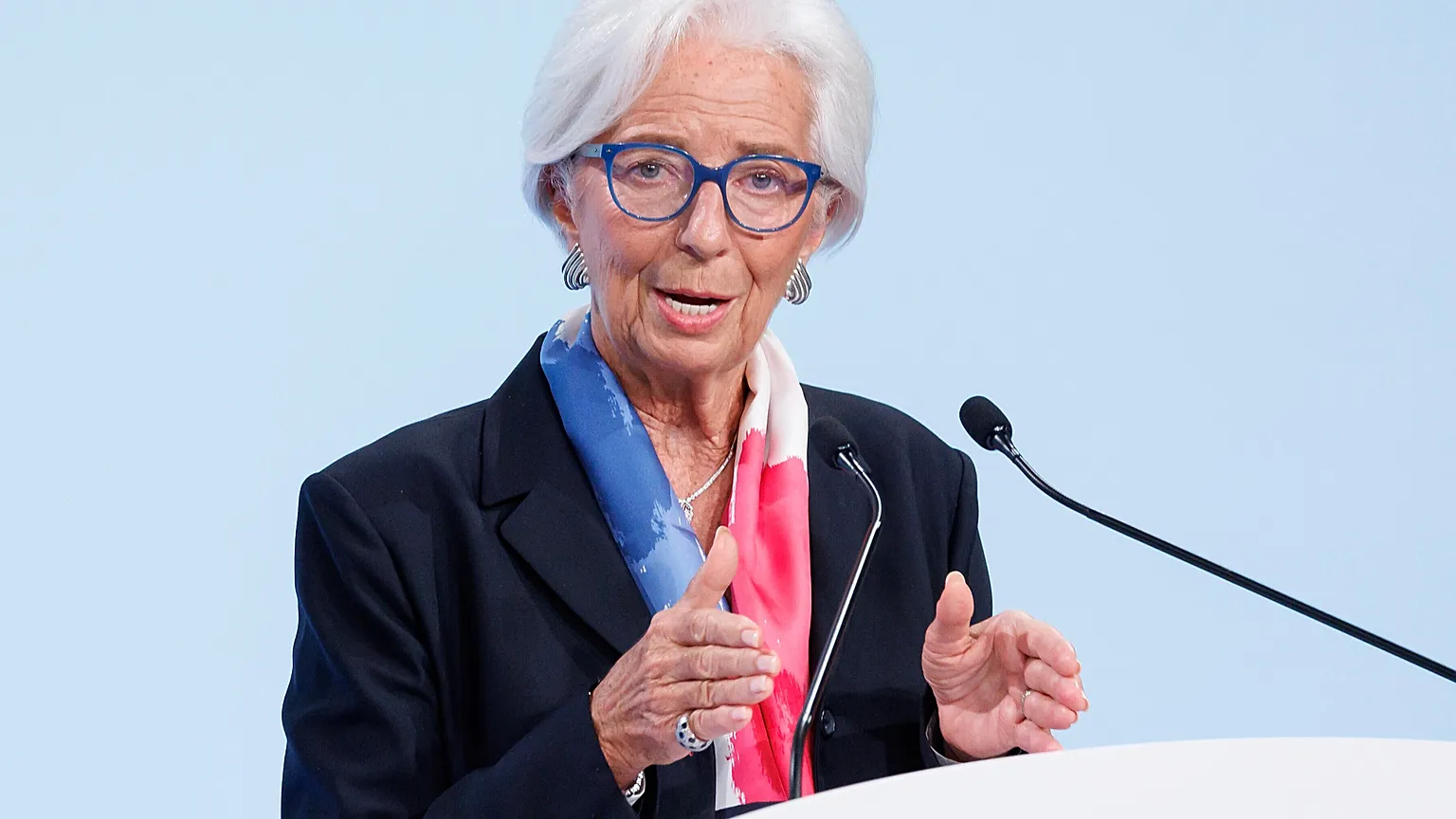
Europe’s monetary future faces a major leadership transition.
LISBON, PORTUGAL
The European Central Bank has reaffirmed its commitment to developing the digital euro despite the approaching departure of President Christine Lagarde, emphasizing that the project will continue according to its established timetable as European lawmakers negotiate the final elements of its regulatory framework.
Speaking at the Web Summit in Lisbon, Alessandro Giovannini, an adviser to the digital euro program, said changes in the ECB’s leadership should not disrupt an initiative designed to strengthen Europe’s financial infrastructure and payment independence.
Lagarde announced on October 29 that she would step down on February 7, 2027, approximately nine months before the scheduled conclusion of her mandate. Her departure will coincide with other significant changes to the institution’s Executive Board, including the departure of Isabel Schnabel in January and the expiration of chief economist Philip Lane’s term in May.
The leadership transition comes at a decisive stage for the digital euro.
European institutions are working to finalize the legislation governing the proposed central bank digital currency before the end of 2026. Negotiations involving the European Parliament, the Council of the European Union and the European Commission remain underway, with merchant payment fees among the unresolved issues.
Meanwhile, the ECB is advancing its technical preparations independently of the legislative negotiations.
A 12-month pilot program is scheduled to begin during the second half of 2027, involving 36 selected banks and payment service providers, including Deutsche Bank, UniCredit and Stripe.
The pilot will test everyday transactions, payment infrastructure and operational reliability before any decision on a wider introduction.
The ECB aims to be technically ready for a potential first issuance in 2029, provided the necessary legislation is adopted. The currency’s introduction is not yet authorized or guaranteed.
The financial scale of the initiative is substantial. ECB estimates place development costs at approximately €1.3 billion before initial issuance, followed by projected annual operating expenses of €320 million from 2029.
The Eurosystem would bear those infrastructure costs, as it does with the production and distribution of euro banknotes.
Beyond technological development, the digital euro represents an effort to reduce Europe’s dependence on international payment networks, particularly Visa and Mastercard.
The proposed currency would complement rather than replace physical cash, allowing individuals and businesses to make electronic payments using central bank money.
Privacy remains a significant concern.
ECB officials maintain that offline transactions would offer protections resembling cash payments, while online operations would use pseudonymized information to limit the central bank’s access to personal transaction details.
Critics nevertheless question whether a publicly issued digital currency could create additional opportunities for financial surveillance or restrictions on spending. The final safeguards will depend partly on the legislation adopted by European institutions.
Unlike traditional bank deposits, digital euro holdings would not earn interest.
For Europe, the initiative raises broader questions about monetary sovereignty, technological independence and the relationship between public institutions and private payment providers.
Lagarde’s departure introduces uncertainty surrounding the ECB’s future leadership, but the bank’s latest statements indicate that the digital euro has evolved into an institutional priority extending beyond any individual presidency.
Its ultimate success will depend not only on technical readiness, but also on regulatory clarity, public confidence and the ability to establish a secure payment system that European citizens and businesses are willing to use.
Where Innovation Meets Responsibility.