

 Phoenix 24
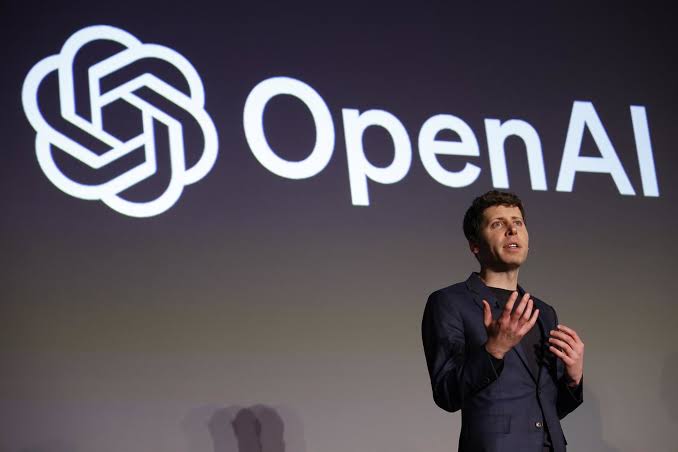
Rapid growth brings artificial intelligence’s financial sustainability into focus.
SAN FRANCISCO
OpenAI reported approximately $10 billion in third-quarter revenue, an increase of nearly 50% from the previous quarter, while its adjusted operating losses climbed to $10.9 billion. The figures reveal a central challenge confronting the artificial intelligence industry: converting extraordinary commercial growth into sustainable financial performance.
According to financial information shared with investors on November 10 and reviewed by The Wall Street Journal, OpenAI’s adjusted operating margin improved from negative 150% in the second quarter to negative 109% in the third quarter of 2026.
The improvement indicates that the company’s losses became smaller relative to revenue. However, total quarterly adjusted operating losses increased from $10.1 billion to $10.9 billion, demonstrating that stronger sales have not yet translated into profitability.
In practical terms, the reported margin means OpenAI recorded approximately $1.09 in adjusted operating losses for every dollar of quarterly revenue.
The distinction between improving margins and growing absolute losses is particularly important for investors evaluating the economics of generative AI.
Developing and operating advanced artificial intelligence systems requires substantial spending on computing infrastructure, specialized semiconductors, research personnel and data center capacity. As demand expands, providers must manage these costs while competing on the prices charged to businesses and individual users.
OpenAI’s revenue acceleration reflects increasing demand for its products, including ChatGPT and artificial intelligence services for enterprise customers. The company has also sought to strengthen its position in the corporate market through competitive pricing and expanded commercial operations.
However, the financial figures require careful interpretation. The reported operating results are adjusted measures rather than a complete presentation of profitability under standard accounting rules.
According to The Wall Street Journal, the calculations exclude stock-based compensation expenses that reached approximately $2.6 billion during the quarter.
This accounting distinction also complicates comparisons with Anthropic, the developer of Claude, which has reported different financial results using measures that include stock-based compensation.
The competitive environment is becoming increasingly consequential as Anthropic prepares for a public stock offering that could provide investors with a new benchmark for assessing the value of leading AI companies.
OpenAI’s financial performance therefore arrives during a period of heightened scrutiny over whether the industry’s substantial investment commitments can generate adequate long-term returns.
Revenue growth offers evidence of commercial demand, but it does not establish that current pricing structures, operating expenses or infrastructure commitments are financially sustainable.
At the same time, the reported losses do not independently demonstrate an imminent liquidity problem. Assessing the company’s financial resilience would require additional information concerning cash reserves, financing arrangements, capital commitments and future expenditure.
The broader challenge extends throughout the technology sector. Businesses developing advanced AI must demonstrate that greater adoption can eventually produce stronger operating economics rather than simply requiring proportionately larger investments.
For OpenAI, the latest figures present two developments simultaneously: substantial progress in generating revenue and continued difficulty controlling the absolute scale of operating losses.
The company’s next financial milestones will help clarify whether improvements in efficiency can eventually outpace the enormous costs associated with developing and delivering increasingly sophisticated AI systems.
The fundamental question is no longer whether artificial intelligence can attract customers. It is whether the companies building it can establish profitable business models at the scale their ambitions require.
Where Innovation Meets Financial Responsibility.