

 Phoenix 24
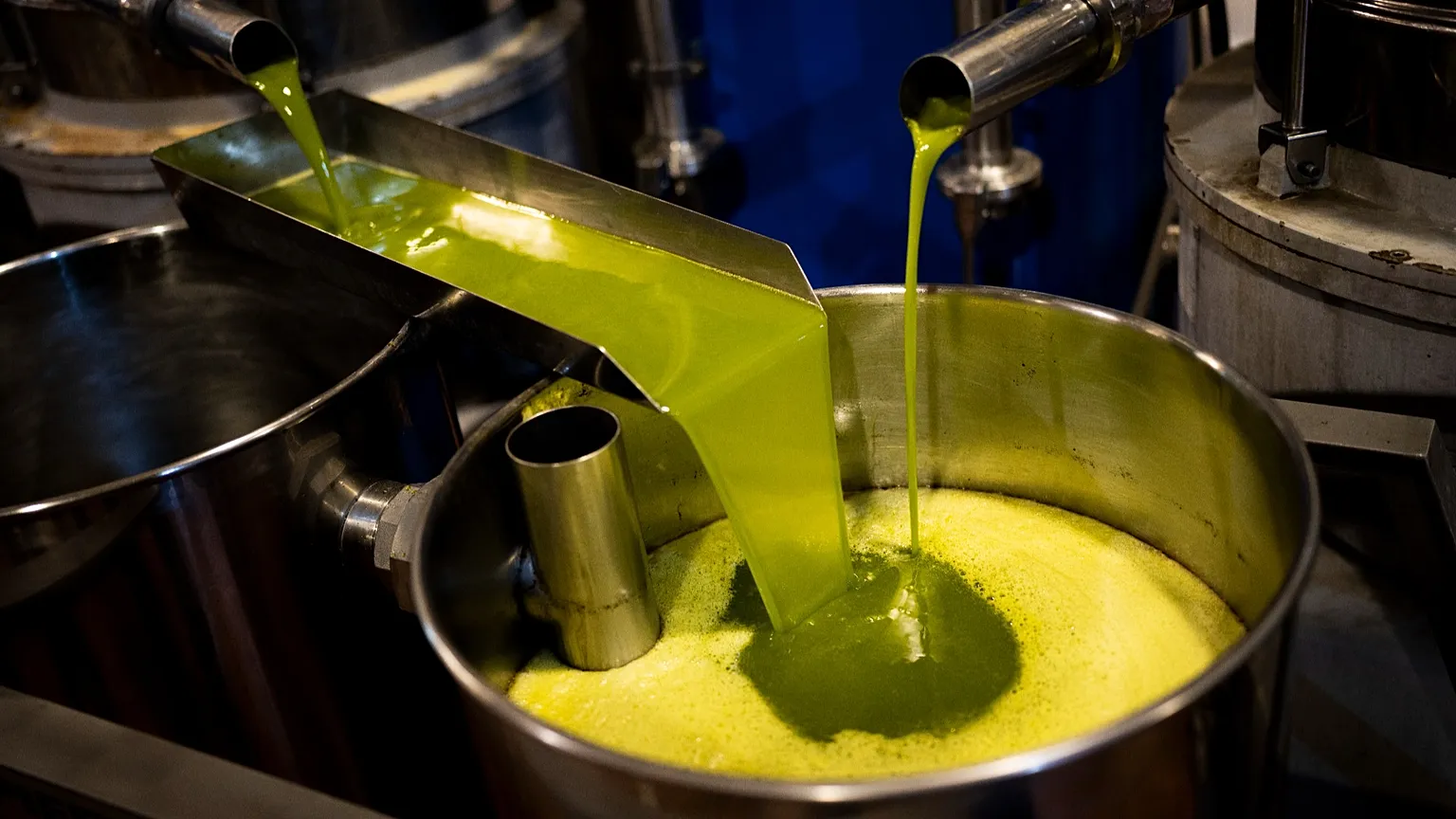
A record harvest brings an unexpected market dilemma.
MADRID
Spain has ordered olive oil mills to withhold 12% of their production from the market during the 2026–2027 season, introducing an unprecedented supply-control measure intended to protect agricultural incomes as the world’s largest olive oil producer prepares for another exceptionally strong harvest.
The decision, published in Spain’s Official State Gazette on November 6, requires producers to store a portion of their monthly output until September 30, 2027. The measure takes effect with production declared for November, excluding quantities recorded in October or earlier.
According to the Ministry of Agriculture, Fisheries and Food, the restriction could temporarily remove approximately 188,000 tonnes of olive oil from commercial circulation. National production is forecast to reach 1.6 million tonnes, representing a 23% increase over the previous season.
Favorable spring weather, including moderate temperatures and abundant rainfall, contributed to improved flowering and fruit development across major olive-growing regions. Combined with opening inventories of 357,040 tonnes, the anticipated harvest has created conditions that government officials believe could exert additional downward pressure on producer prices.
The intervention follows a period of significant volatility in European olive oil markets. Severe droughts previously reduced production and drove consumer prices sharply higher. The subsequent recovery in supply has reversed much of that pressure, presenting farmers with a different challenge as wholesale prices decline.
Spanish authorities activated the mechanism after projected production and existing inventories met the threshold established under national marketing regulations. The framework operates within European Union agricultural market rules and allows temporary intervention when excessive supply threatens market stability.
Each mill must retain the required percentage of its accumulated eligible production, regardless of the oil’s commercial classification. Operators may use their own storage facilities or third-party installations, while regional authorities will participate in monitoring compliance.
The government argues that limiting immediate availability can protect agricultural profitability while supporting more predictable market conditions. However, the policy introduces an economic trade-off: restricting supply may benefit producers, but it could also slow price reductions for households and commercial buyers.
Spanish agricultural organizations, including Asaja, COAG and UPA, welcomed the decision. Consumer organization Facua, however, criticized the intervention, highlighting the competing interests surrounding agricultural price regulation.
The implications extend beyond Spain. As the European Union’s leading olive oil producer and a major global exporter, the country influences international supply conditions. Changes in Spanish availability can affect importers, distributors and food manufacturers in markets far beyond the Mediterranean.
The policy also creates operational considerations for mills, including storage capacity, inventory management and financing requirements. Its actual effectiveness will depend on subsequent production figures, domestic demand, export activity and market prices.
Authorities may revise the withdrawal percentage after December 31 if harvest conditions justify an adjustment.
Spain’s decision illustrates the delicate balance between agricultural profitability and consumer affordability. Following years in which insufficient production drove prices upward, policymakers must now manage the consequences of abundance without unnecessarily undermining market access.
Whether mandatory storage achieves that balance will become clearer as the harvest progresses and prices respond.
Beyond the Numbers, the Consequences.