

 Phoenix 24
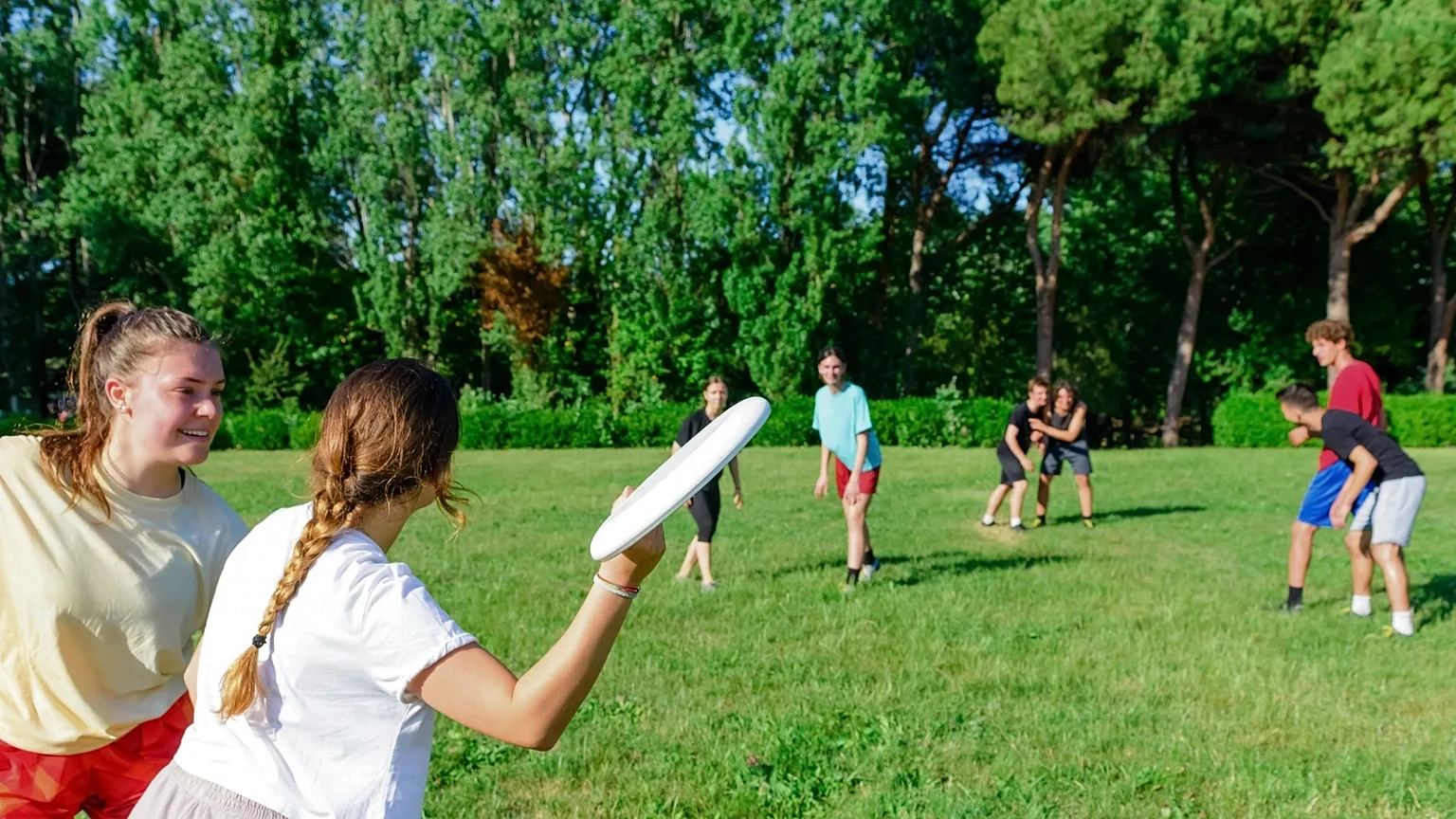
One in four adolescents fails to reach 60 minutes of physical activity on any day of the week, exposing a growing challenge for global public health.
GENEVA, SWITZERLAND — November 4, 2026. Approximately 240 million adolescents worldwide fail to achieve even one day of the recommended 60 minutes of physical activity per week, according to a major new assessment released by the World Health Organization (WHO). The findings reveal that physical activity among young people has barely improved since 2010, despite increasing awareness of its importance for physical and mental well-being. Published alongside research in The Lancet Global Health, the report identifies persistent inequalities between countries and genders, raising questions about whether existing educational, urban planning and public health policies adequately support healthier lifestyles.
The assessment draws on 389 population-based surveys conducted across 140 countries and territories, involving more than 3.2 million adolescents aged 11 to 17. Researchers examined how frequently young people completed at least 60 minutes of moderate-to-vigorous physical activity in a single day, including exercise at school, recreational activities and active transportation. In 2025, adolescents reported an average of only 2.7 active days per week, essentially unchanged from 2010. Just 14% achieved the recommended activity threshold on all seven days, revealing the considerable distance between current behavior and international health recommendations.
An important distinction concerns the interpretation of inactivity. The finding that one in four adolescents reported no active days does not mean that these young people remained completely motionless or performed no physical activity whatsoever. Rather, they did not report reaching the 60-minute daily threshold during the preceding week. This distinction matters because the study measures whether adolescents meet a defined public health recommendation, not the complete absence of movement. The figures nevertheless indicate that many young people receive substantially less physical activity than health authorities recommend.
The gender gap is among the report’s most concerning findings. Approximately 28% of girls reported no days meeting the activity threshold, compared with 22% of boys. Only 11% of girls achieved the recommendation every day, against 17% of boys. Researchers also observed that girls generally become less active as they grow older, suggesting that the inequalities deepen during adolescence. The findings point toward barriers involving social expectations, personal safety, limited access to appropriate recreational opportunities and differences in participation in organized sports.
Geographical disparities are equally substantial. Adolescents in Finland, Canada and Serbia reported some of the highest activity levels, averaging between 4.5 and 4.8 qualifying days per week. By contrast, young people in Cambodia, Jordan and Madagascar averaged approximately 1.7 to 1.9 days. Across several predominantly lower- and middle-income regions, including Latin America and the Caribbean, the Middle East and parts of Africa and Asia, the proportion reporting no active days ranged from approximately 22.7% to 33.1%. These variations indicate that opportunities for physical activity are influenced by more than individual motivation.
The WHO emphasizes that the environments surrounding adolescents strongly affect their behavior. Safe streets, public parks, affordable sports facilities, reliable transportation and supportive schools can encourage movement throughout the day. Conversely, unsafe neighborhoods, long commuting distances, limited recreational infrastructure and unequal access to organized activities can restrict participation. Increasing screen-based entertainment may also influence daily routines, although the available evidence does not justify attributing the global stagnation to smartphones or digital technology alone.
The health implications extend beyond weight management. Regular physical activity supports cardiovascular and metabolic health, muscular and skeletal development, psychological well-being and aspects of cognitive functioning. Developing active habits during adolescence can also contribute to healthier behavior in adulthood. Physical inactivity, meanwhile, is an established risk factor for several chronic diseases, including cardiovascular conditions and type 2 diabetes. However, the report’s population-level findings should not be interpreted as predictions of future illness for individual adolescents.
The results also expose shortcomings in international health policy. The WHO established a global objective of reducing insufficient physical activity by 15% between 2010 and 2030. Yet the latest assessment indicates that no country or region is currently on track to achieve the target. This finding suggests that awareness campaigns and conventional physical education initiatives have not been sufficient to produce sustained population-level improvements. The challenge is particularly significant in communities where schools and public spaces lack the resources necessary to support regular participation.
WHO Director-General Tedros Adhanom Ghebreyesus has called for a shift away from placing responsibility exclusively on adolescents. His message emphasizes the need for coordinated action across education, transportation, urban planning, sports and healthcare. Schools can contribute through inclusive physical education and recreational programs, while local governments can improve access to safe walking routes, cycling infrastructure and public spaces. Policies must also address the specific obstacles faced by girls and adolescents from economically disadvantaged communities.
The findings offer an additional perspective on the relationship between inequality and human development. Access to physical activity is not distributed evenly across societies, and healthier choices are not always equally available. Public investment, neighborhood design, family resources and cultural expectations can all influence whether young people have opportunities to exercise. Addressing adolescent inactivity therefore requires evaluating the quality of everyday environments rather than measuring success exclusively through individual participation in sports.
The WHO’s latest assessment presents a clear policy challenge: fifteen years of limited progress have left hundreds of millions of adolescents without sufficient opportunities for regular physical activity. Reversing that trend will require sustained investment, inclusive programs and measurable improvements in the environments where young people live and study. The broader objective is not simply encouraging teenagers to exercise more, but ensuring that physical activity becomes an accessible, safe and ordinary part of growing up.
Phoenix24: Beyond the statistics, the future of adolescent health. / Más allá de las estadísticas, el futuro de la salud adolescente.