

 Phoenix 24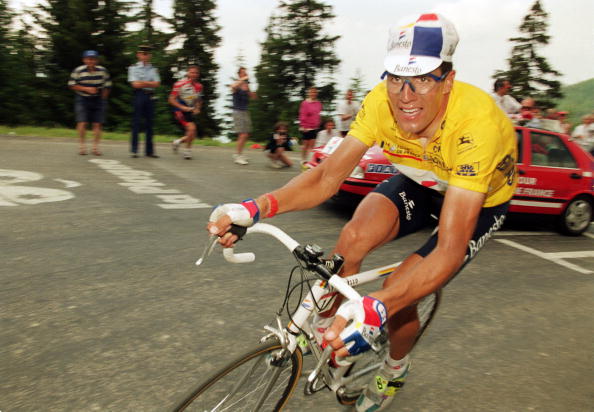
Modern sports nutrition has transformed what riders eat, when they eat and how precisely performance is managed.
Pamplona
Miguel Induráin has offered a revealing comparison between professional cycling in the 1990s and today’s highly controlled nutritional environment. The five time Tour de France winner recalls that riders of his generation did not depend on energy gels, specialized bars or carefully calibrated carbohydrate plans during races. Instead, they often ate ham and cheese sandwiches or pastries prepared and distributed by team staff.
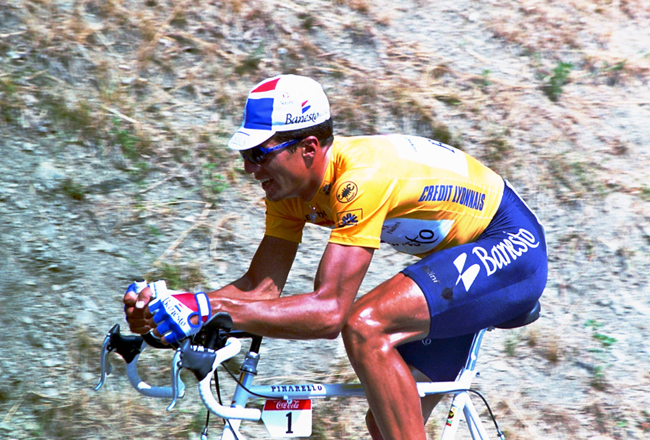
The contrast illustrates how dramatically elite cycling has changed. Contemporary riders follow detailed fueling strategies designed around carbohydrate intake, hydration, recovery and the specific physiological demands of each stage. Nutrition teams can now calculate how much energy a cyclist needs before, during and after competition, while products are designed to deliver that energy quickly without overloading the digestive system.
Induráin’s generation operated with far less precision. He has acknowledged that riders occasionally suffered severe energy collapses, commonly known in cycling as hitting the wall. Those episodes could be caused by dehydration, cold conditions or simply forgetting to eat while concentrating on the race. Modern teams try to eliminate precisely that type of uncertainty through continuous monitoring and scheduled intake.
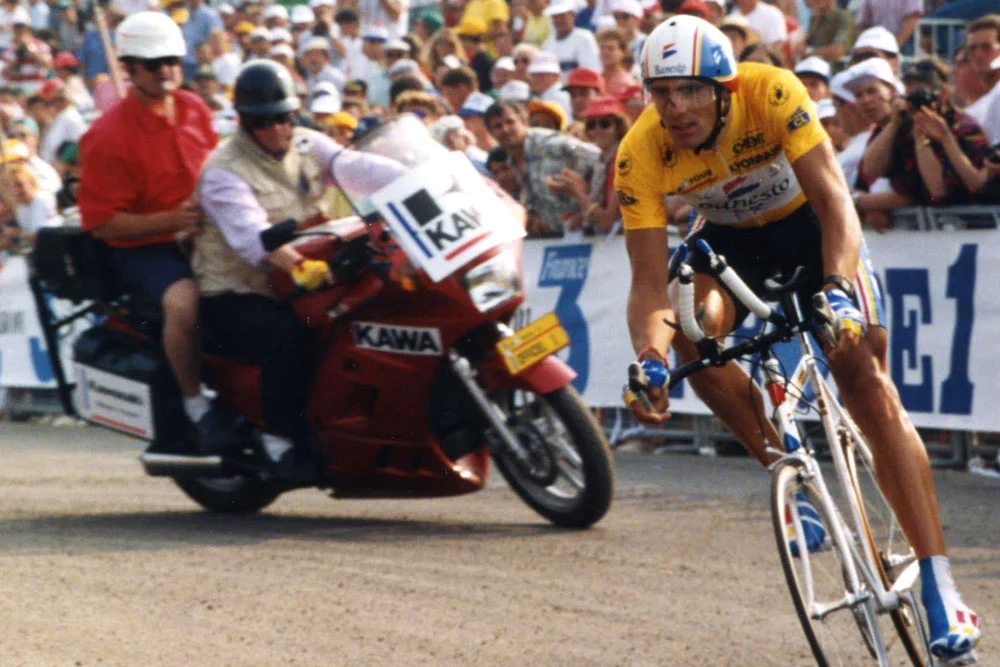
Despite the simpler approach, Induráin’s broader diet was carefully controlled. Pasta, rice, fruit and vegetables played an important role, while red meat and eggs were consumed more selectively. Weight management was also closely supervised because even during the 1990s teams understood that reducing unnecessary body mass could improve climbing and endurance performance.
The difference lies in the degree of scientific intervention. What was once guided mainly by experience, medical supervision and conventional food has become an integrated system involving sports physiology, biochemistry and performance data. Today’s cyclists can consume large quantities of carbohydrates per hour using formulations specifically designed for rapid absorption while minimizing gastrointestinal problems.
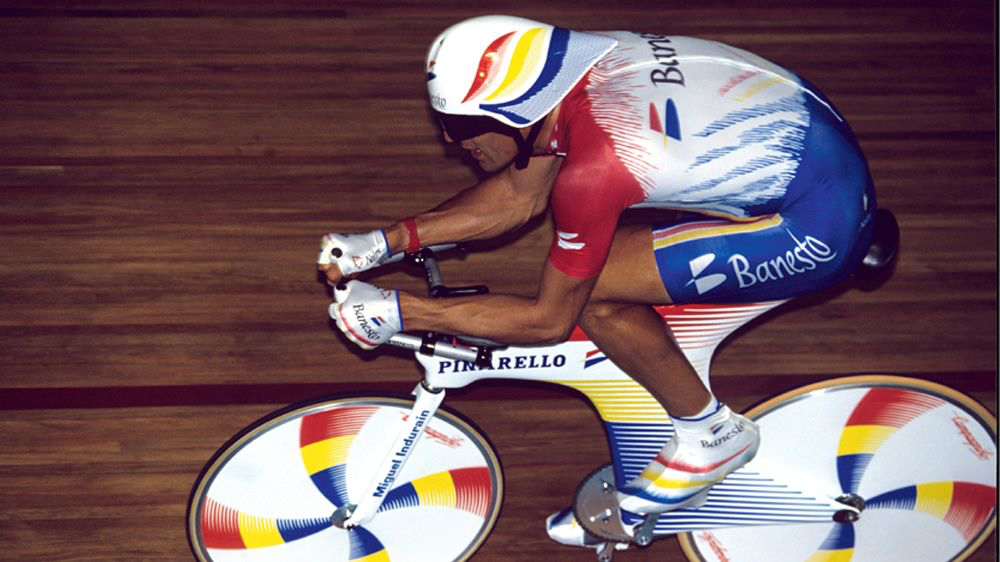
Induráin’s memories should therefore not be interpreted as evidence that older methods were superior. They show how exceptional athletes achieved extraordinary results within the knowledge and technology available at the time.
Cycling has always demanded enormous energy. What has changed is the precision with which that energy is now supplied.
Beyond the news, the pattern.