

 Phoenix 24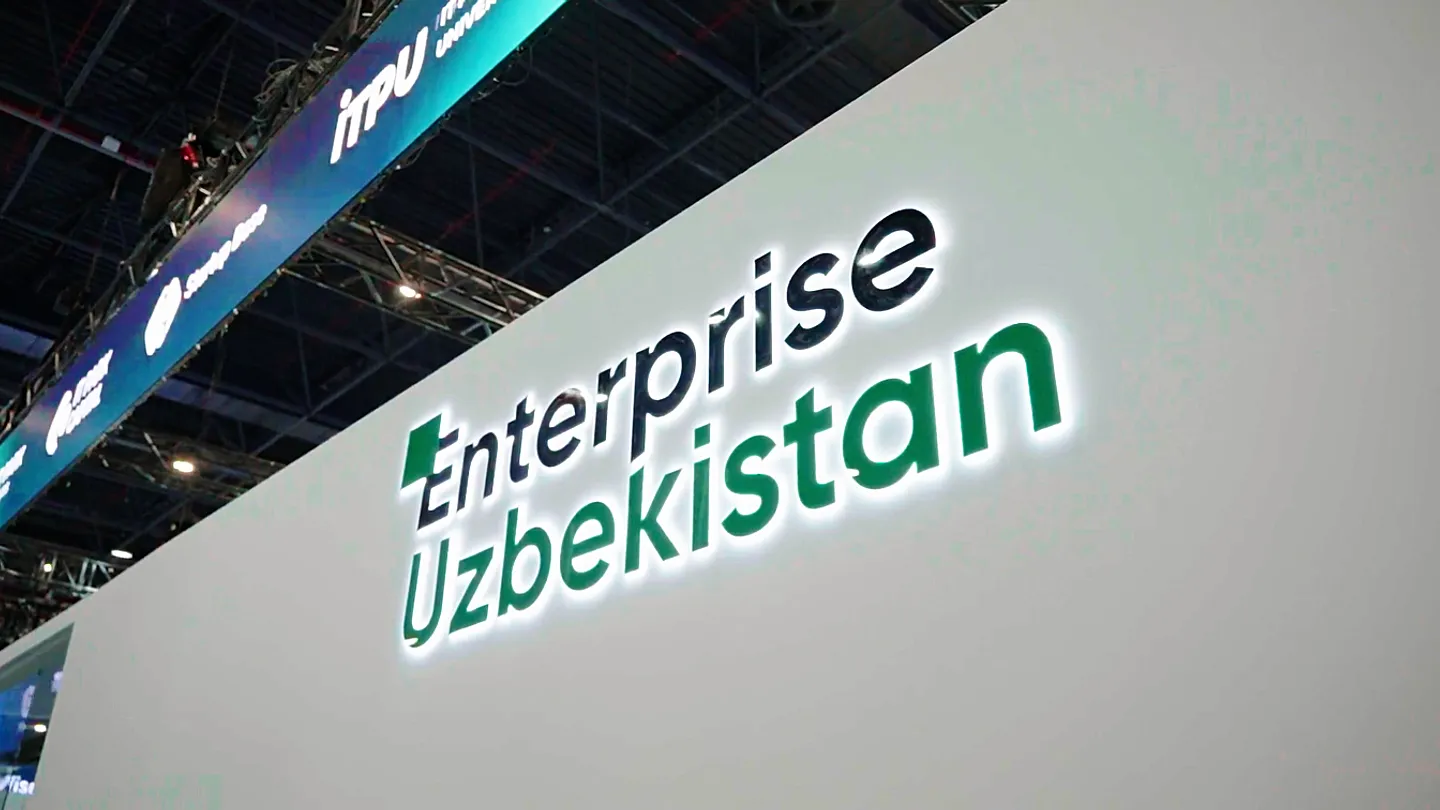
Tax incentives, regulatory flexibility and global talent are becoming tools of geopolitical competition.
Tashkent
Uzbekistan is preparing to launch Enterprise Uzbekistan, a special business regime designed to attract international technology companies, investors and highly skilled workers while positioning Tashkent as a gateway to Central Asia. The framework was approved through legislation adopted in August and is expected to begin operating in early 2027.
The model combines tax advantages with regulatory flexibility. Investors operating under the regime will be exempt from taxes on qualifying dividends and other investment income. Companies will also avoid corporate income tax on profits generated through designated priority activities, while eligible sales within the center and exports by participating businesses will benefit from a zero percent value added tax rate.
Foreign ownership is central to the strategy. International companies will be able to operate with full foreign ownership, establish branches or representative offices and use investment structures familiar to global capital markets. Highly qualified foreign specialists will also receive tax exemptions on eligible salaries and dividends, while participating companies will be able to obtain visas of up to three years for foreign employees without requiring separate work permits.
One of the most distinctive elements is a regulatory sandbox that will allow companies to test technologies under temporarily adapted rules. Experiments will generally be permitted for up to 12 months and may include exemptions from selected requirements or simplified licensing procedures. The mechanism is particularly relevant for artificial intelligence, financial technology and other sectors where innovation often develops faster than existing regulation.
International investors are already moving into the market. Golden Gate Ventures opened a Tashkent office in June in partnership with the Uzbek Oman Investment Company and plans to use Uzbekistan as a bridge between Central Asia and the Middle East. Enterprise Uzbekistan officials hope similar investors will eventually treat the country not merely as a domestic market but as a regional operating base.
The government is also trying to address one of the largest concerns confronting emerging technology hubs: regulatory durability. Enterprise Uzbekistan is designed to remain in force until 2100, giving investors a long planning horizon. Detailed rules are still being developed, and technology companies and investors are being invited to participate in that process before launch.
The strategic challenge will come after the incentives attract the first companies. Uzbekistan will have to demonstrate that tax advantages, regulatory experimentation and political commitment can translate into sustained investor confidence and a competitive technology ecosystem.
If that happens, Tashkent could evolve from an emerging market into one of the principal gateways through which global technology capital enters Central Asia.
Global narrative resilience.