

 Phoenix 24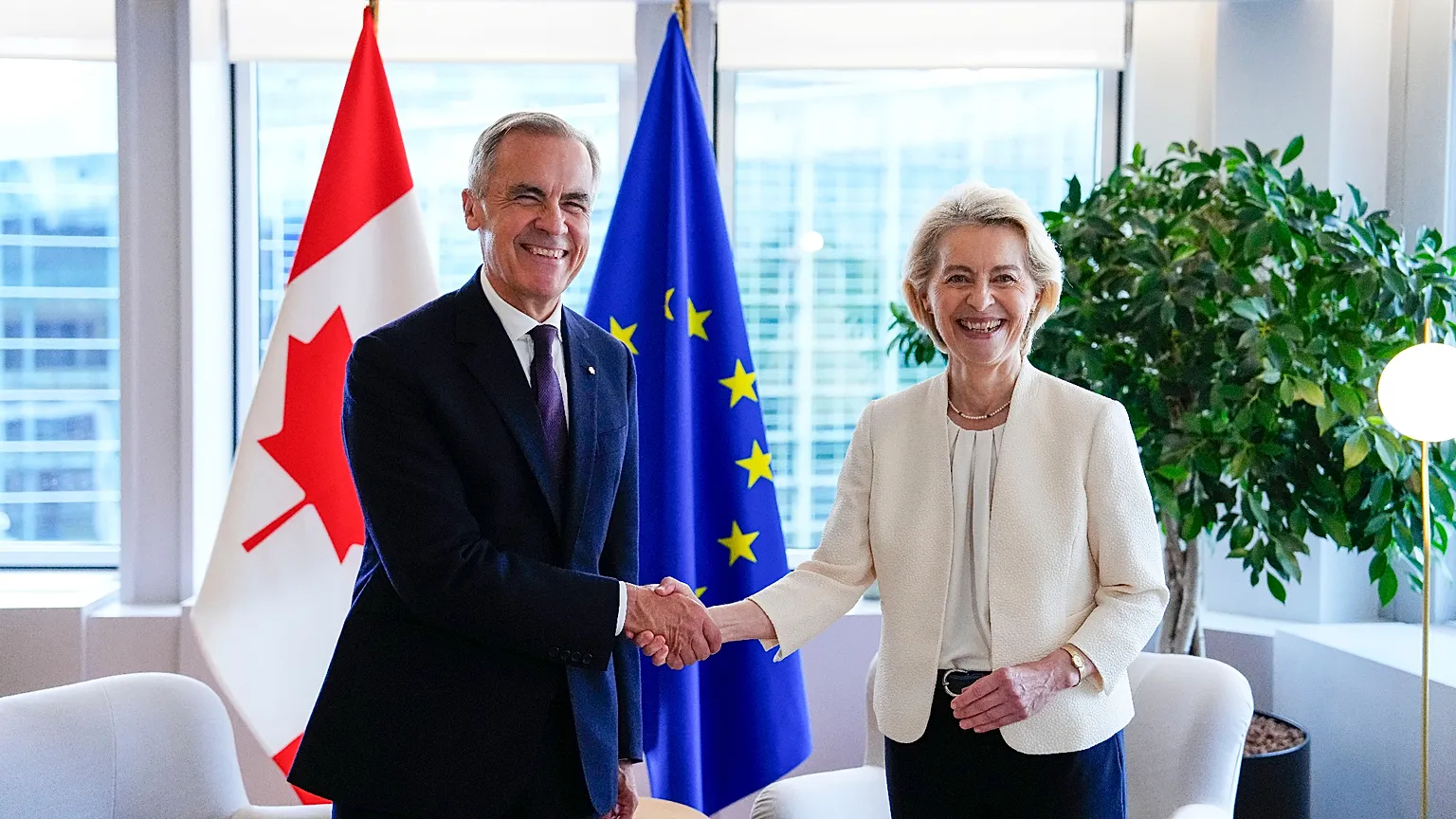
A new political category could reshape how Europe builds global alliances.
Brussels
The European Union is considering the creation of an unprecedented “associate member” status for Canada, a political framework that does not currently exist in EU treaties. European Commission President Ursula von der Leyen raised the idea during her State of the Union address on September 16, presenting Canada as the potential first country to enter such an arrangement. The proposal would not make Canada a full EU member. Instead, it would establish a deeper strategic relationship with specifically negotiated rights and obligations.
The concept is significant because full EU membership remains restricted to European states, while Canada lies outside that geographic framework. Creating an associate category would therefore require a new legal architecture agreed by all 27 member states. Brussels has not yet defined the institutional privileges, financial obligations or political participation that such a status would include. The proposal remains exploratory rather than a completed accession mechanism.
The strategic agenda under discussion goes far beyond trade. Von der Leyen has proposed an “Alliance for the Future” covering defense industrial cooperation, critical minerals, energy, artificial intelligence, quantum technologies, cybersecurity and the Arctic. Canada and the EU are also exploring closer participation in education, mobility and research programs, while existing cooperation already provides a strong commercial and political foundation.
The timing reflects growing uncertainty surrounding both sides’ relationship with the United States. Canada is seeking to diversify trade and security partnerships amid tariff disputes with Washington, while the EU is reassessing strategic dependencies in energy, technology and defense. Closer integration between Brussels and Ottawa could therefore serve both economic and geopolitical objectives without requiring Canada to seek conventional membership.
The proposal could also establish a model for future European partnerships. If Canada becomes the first associate member, other democracies with deep economic and security ties to Europe could eventually seek comparable arrangements. That possibility would push the EU beyond its traditional distinction between member states and external partners and toward a more flexible system of concentric political integration.
The fundamental question is therefore larger than Canada. Europe is testing whether influence in a more fragmented world may depend on creating new forms of belonging between full membership and conventional diplomacy.
Beyond the news, the pattern.