

 Phoenix 24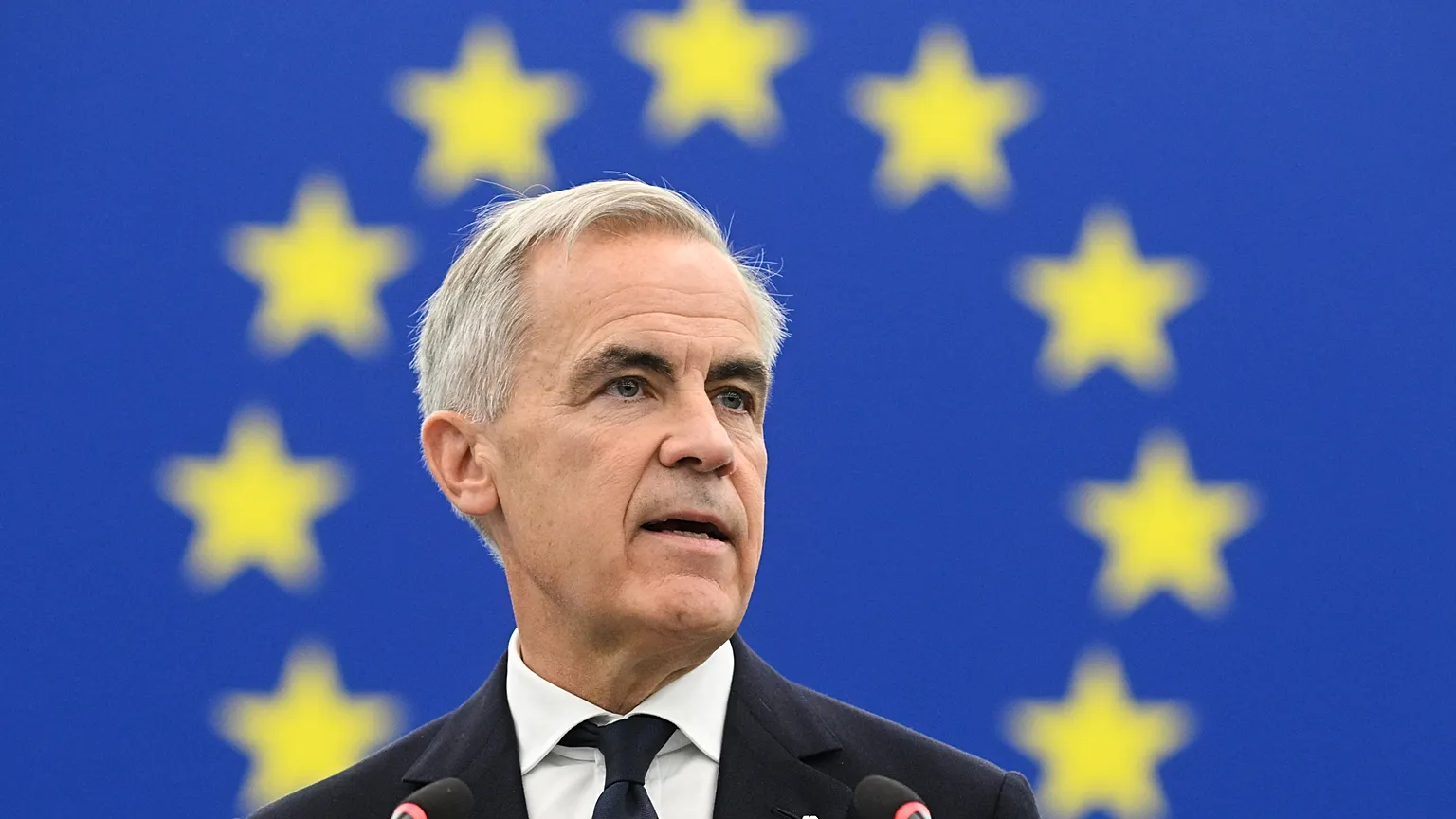
Economic pressure is accelerating a search for new alliances.
Brussels
The European Union is exploring a deeper strategic relationship with Canada as both sides seek to reduce their dependence on the United States in areas ranging from trade and energy to technology and defense. European Commission President Ursula von der Leyen has proposed the unprecedented idea of Canada becoming Europe’s first associate member, a status that does not currently exist under EU treaties. The concept would require a new legal framework approved by the bloc’s 27 member states. It would not amount to full EU membership.
The proposal reflects a wider shift in Europe’s external strategy. Brussels wants to build what it describes as an Alliance for the Future with Canada, expanding cooperation beyond traditional trade agreements. The potential framework would include closer integration of defense industries, access to critical minerals and energy supplies, cooperation in artificial intelligence and quantum computing, cybersecurity and the Arctic. Mobility programs could also allow more young people to study and live across the Atlantic.
The timing is directly connected to worsening economic tensions with Washington. The United States has imposed tariffs of up to 50 percent on some Canadian products following the collapse of bilateral negotiations, prompting Ottawa to retaliate with equivalent measures. Canadian Prime Minister Mark Carney has responded by accelerating efforts to diversify the country’s partnerships and reduce its economic dependence on its southern neighbor.
Europe faces a similar strategic calculation. Reliance on the United States has long provided security, technological access and economic scale, but recent trade disputes and geopolitical uncertainty have exposed the risks of excessive dependence on a single partner. Stronger ties with Canada could give the EU greater access to energy, raw materials and industrial capacity while offering Ottawa a large and politically aligned market.
The proposal also raises institutional questions. Creating an associate membership model could establish a precedent for future relationships with other non European states that share strategic interests with the bloc. That would require the EU to define clearly which rights, obligations and political privileges such a status would include. It could become a new layer between conventional partnership and full membership.
The deeper issue is therefore not simply whether Canada moves closer to Europe. It is whether the European Union is beginning to redesign its external architecture for a world in which traditional alliances are becoming less predictable.
Beyond the news, the pattern.