

 Phoenix 24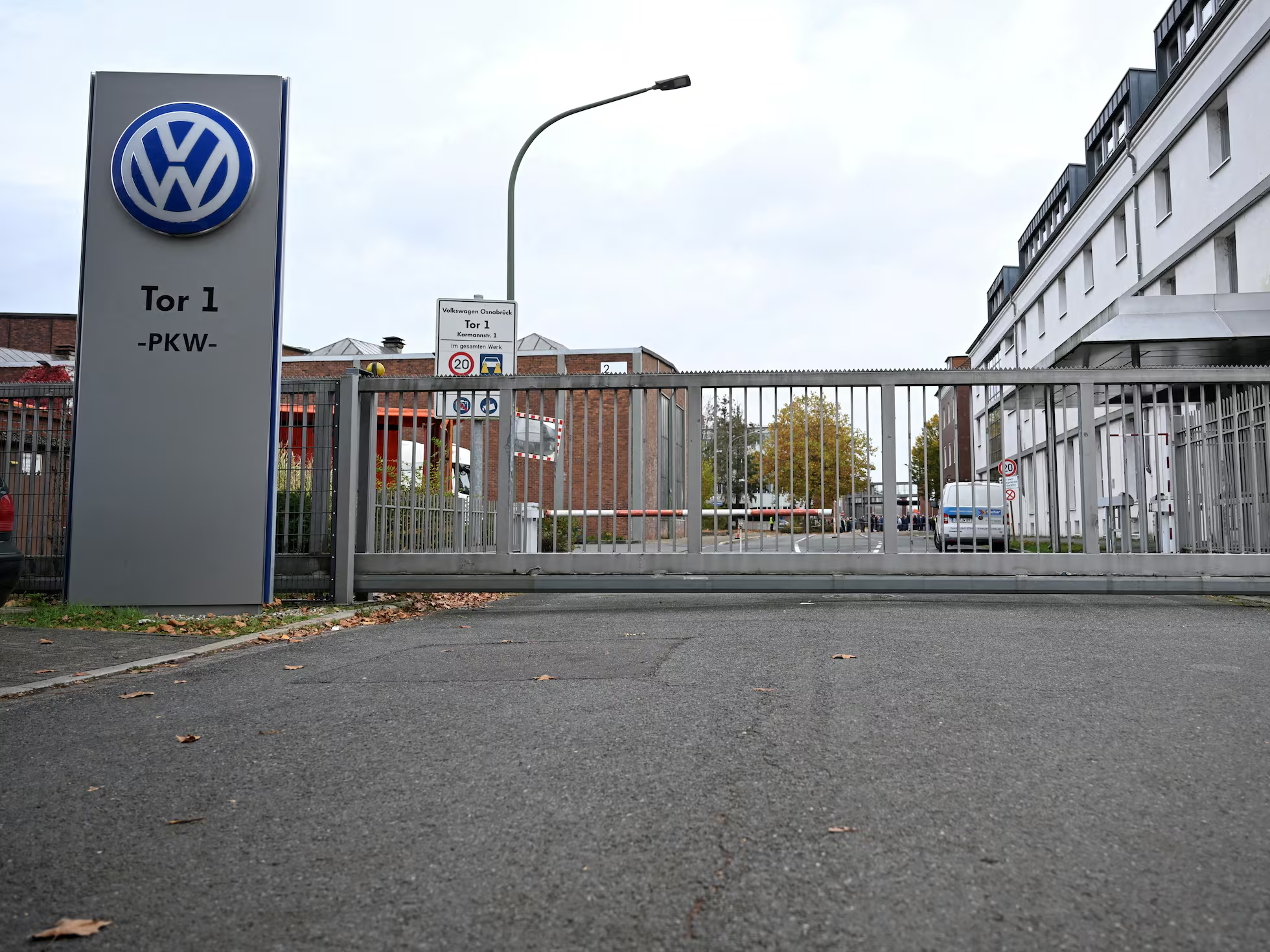
Europe’s automotive transformation exposes a deepening industrial challenge.
Wolfsburg, Germany.
Volkswagen has been removed from the Euro Stoxx 50, the benchmark index representing 50 major listed companies in the eurozone, effective September 21. The exclusion follows a prolonged decline in the German automaker’s market valuation and a profit warning that sharply reduced its financial outlook for 2026. The development adds pressure to a company already confronting restructuring costs, weakening demand in China and intensifying competition in electric vehicles.
The decision resulted from the index provider’s regular review rather than a discretionary judgment about Volkswagen’s business. Membership depends on criteria including free-float market capitalization, and the company no longer met the required threshold. Finnish telecommunications group Nokia and French energy company Engie entered the index, while Volkswagen and Dutch information-services company Wolters Kluwer departed.
The consequences extend beyond the symbolic loss of membership. Investment funds designed to replicate the Euro Stoxx 50 must adjust their portfolios, potentially generating additional selling pressure on Volkswagen shares. According to Euronews, the automaker’s stock had declined almost 30% since the beginning of 2026 and was trading near €76 when the report was published.
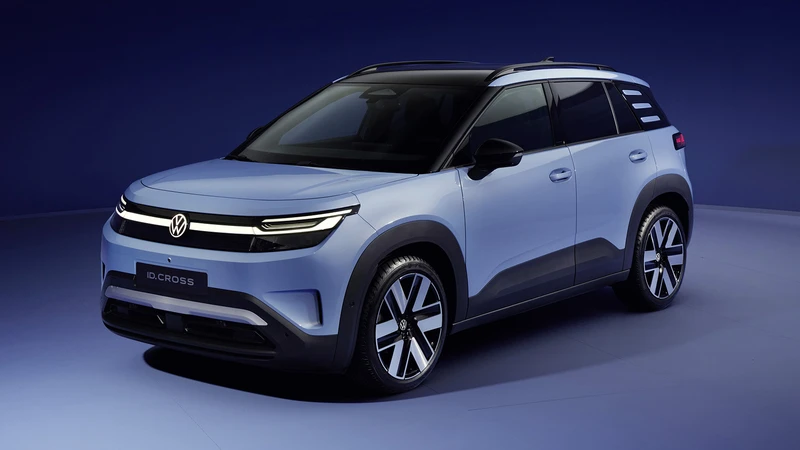
The exclusion coincides with a substantial deterioration in Volkswagen’s financial outlook. On September 18, the group announced approximately €10 billion in extraordinary charges and reduced its projected operating profit margin for 2026 to no more than 1%, compared with its previous forecast of 4% to 5.5%. More than €6 billion of those charges relate to an impairment involving Porsche, reflecting weaker expectations for the sports car manufacturer.
Volkswagen faces difficulties across several major markets. Competition from Chinese manufacturers has intensified as demand shifts toward battery-electric vehicles, while US tariffs have affected profitability. These pressures have complicated the company’s efforts to maintain production volumes and finance its technological transition.
Management has responded with a restructuring program that could eliminate up to 100,000 jobs and substantially reduce the group’s model portfolio. The measures have generated concerns among employees and trade unions about the future of automotive manufacturing in Germany. They also illustrate the scale of the adjustments facing established manufacturers as the industry’s competitive structure changes.
The financial picture nevertheless requires qualification. Volkswagen estimates that its underlying operating margin, excluding extraordinary charges, remains close to 4%, while its forecasts for liquidity and cash generation have not changed. The distinction suggests that restructuring expenses and ongoing operating performance must be evaluated separately.
Volkswagen’s third-quarter results, scheduled for October 29, will provide further evidence of how these pressures are affecting its operations. The company’s departure from the Euro Stoxx 50 does not determine its industrial future, but it reveals how financial markets are responding to the costs and uncertainties of its transformation.
The broader significance extends across Europe’s automotive sector: technological change is reshaping not only the vehicles manufacturers produce, but also the financial and industrial structures supporting their businesses.
La verdad es estructura, no ruido. / Truth is structure, not noise.