

 Phoenix 24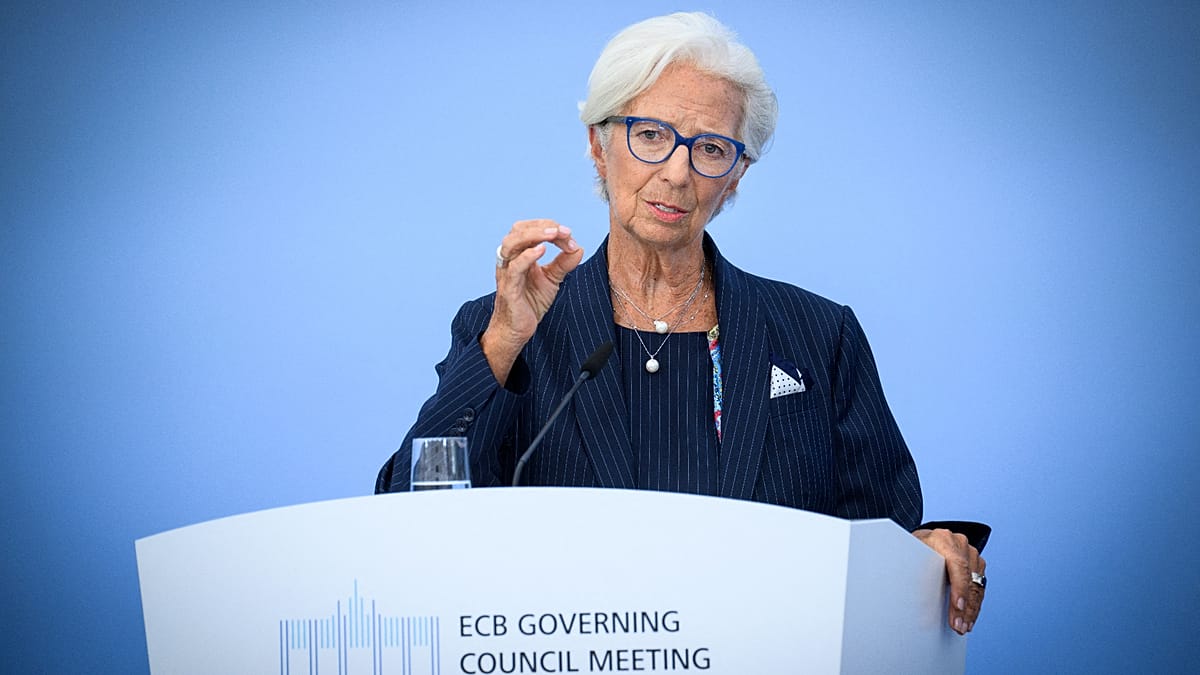
Europe builds a bridge between traditional finance and blockchain.
Frankfurt, Germany.
The European Central Bank launched Pontes on September 21, introducing an operational system that allows financial institutions to settle transactions involving tokenized assets using central bank money. The initiative connects blockchain-based financial markets with the Eurosystem’s existing payment infrastructure, addressing a longstanding obstacle to the adoption of digital securities. It marks a significant step in Europe’s effort to modernize financial markets while preserving the euro’s role in the emerging digital economy.
Tokenization involves representing financial assets, including bonds and other securities, as digital units recorded on distributed ledgers. Although the technology can automate transactions and reduce administrative complexity, institutions have faced difficulties settling trades in a reliable form of money. Pontes addresses that problem by connecting tokenized transactions to central bank reserves rather than requiring settlement exclusively through commercial bank money or privately issued stablecoins.
The European Central Bank confirmed that an initial group of 13 financial institutions has completed the onboarding process and can begin using the system immediately. Participants include Deutsche Bank, Santander, Société Générale and the European Investment Bank, alongside four distributed-ledger operators, including Clearstream. Additional institutions are expected to join as the infrastructure develops.

The central bank also announced plans to invest a small portion of its own funds in tokenized securities, with transactions settled through Pontes. Initial investments will focus on euro-denominated debt issued by European public institutions, including national governments, regional authorities and supranational organizations. The ECB has begun preparatory work but has not disclosed an investment amount or established a purchase date.
The distinction matters because the initiative is not a new monetary policy program. The investments will form part of the ECB’s own-funds portfolio, which operates separately from monetary policy and generates income to support institutional expenses. By participating directly, the bank intends to acquire practical experience in trading, settlement and portfolio management using distributed-ledger technology.
Pontes will initially operate with a limited range of services and within existing market hours. The Eurosystem plans to introduce additional capabilities and longer operating periods gradually, targeting full implementation by 2028. A complementary initiative, Appia, will examine the broader architecture required to integrate tokenized financial services across Europe.
The project should not be confused with the proposed retail digital euro. Pontes serves banks and wholesale financial markets, whereas a retail digital euro would be intended for everyday payments by individuals and businesses. The consumer-oriented project remains subject to separate legislative and implementation processes.
Beyond technological modernization, the initiative raises an institutional question about who will provide the money underpinning future digital markets. Europe is developing infrastructure that retains central bank money as a settlement asset while allowing private financial institutions to innovate through tokenization.
Pontes does not eliminate the operational, regulatory or cybersecurity challenges associated with digital finance. It does, however, establish an operational connection between emerging financial technologies and the monetary infrastructure on which Europe’s banking system already depends.
Detrás de cada dato, la intención. / Behind every data point, the intention.