

 Phoenix 24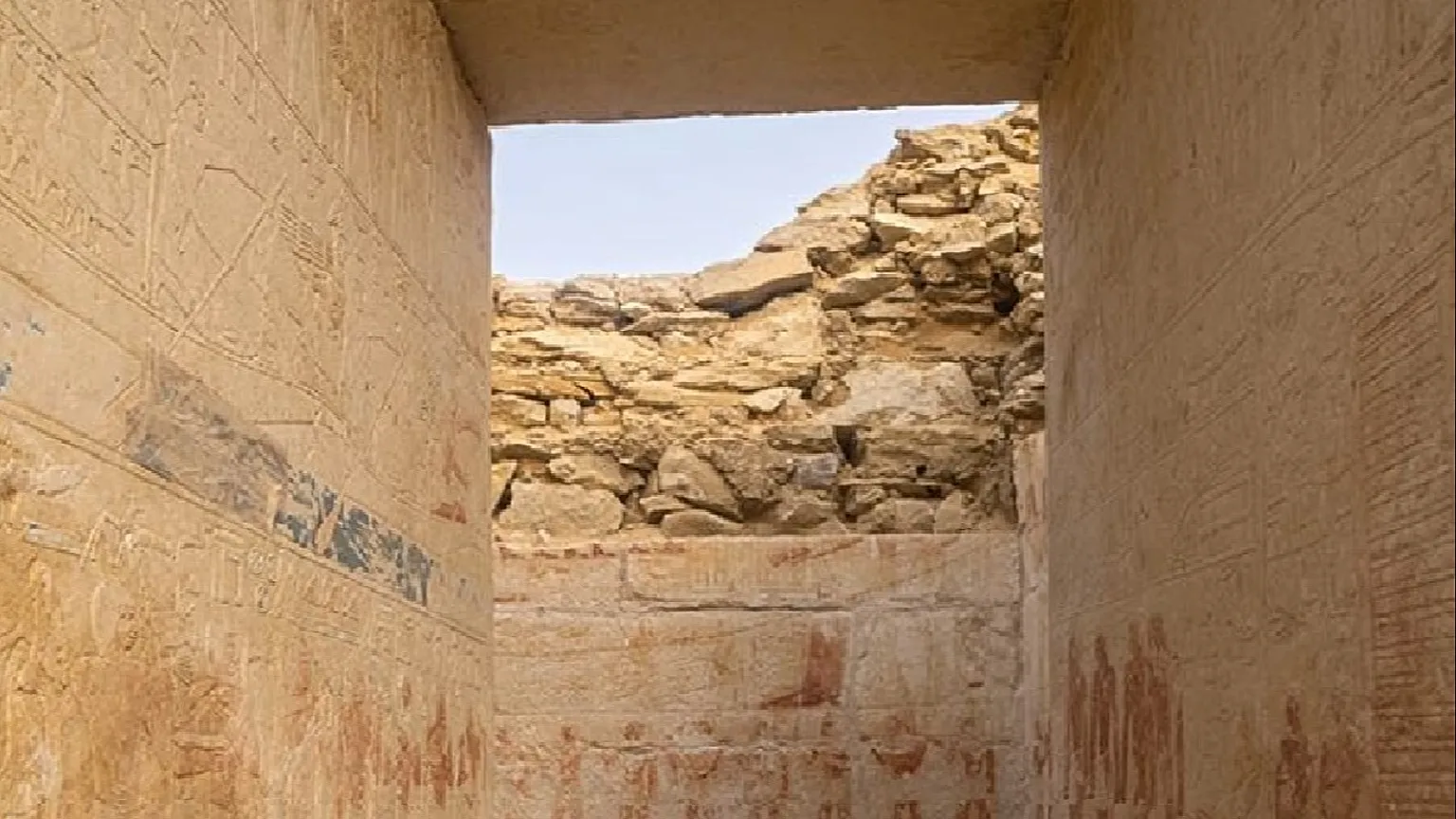
Ancient colours illuminate the officials who administered Egypt’s pyramid age.
SAQQARA, EGYPT
A joint Spanish-Egyptian archaeological mission has uncovered and documented a tomb complex dating from the final decades of Egypt’s Fifth Dynasty, approximately 4,400 years ago. The discovery was made in the Mariette Necropolis, north of Saqqara, during excavations conducted by the Autonomous University of Barcelona and Egypt’s Supreme Council of Antiquities.
The monument is a medium-sized mastaba containing two funerary chapels. The principal chamber belonged to an official named Yunmin, who served as a judge, court director and chief scribe responsible for examining petitions and complaints. A second chapel was dedicated to his father, Ity, a scribe connected to the administration of agricultural land and funerary offerings. Their titles provide evidence of the complex bureaucracy that supported the Egyptian state during the reign of Pharaoh Djedkare Isesi.
Yunmin’s chapel contains a decorated façade with funerary inscriptions, offering formulae and an image of the official in ceremonial dress. Its walls depict agricultural work and processions of people carrying offerings toward the tomb. Many of the reliefs retain traces of their original pigments, allowing researchers to study how colour, movement and social hierarchy were represented more than four millennia ago.
The southern chapel includes a false door, a symbolic passage through which ancient Egyptians believed the spirit of the deceased could move between the worlds of the living and the dead. Painted scenes show the presentation of offerings, although significant portions of this chamber’s decoration have disappeared. The mission has completed the excavation and scientific documentation of both chapels and begun conserving their surviving architectural and artistic elements.
The site had been identified during the nineteenth-century explorations of French archaeologist Auguste Mariette, whose work gave the surrounding necropolis its modern name. It had never, however, been systematically excavated and documented using contemporary archaeological methods. The new investigation therefore transforms a partially known structure into a source of detailed evidence about funerary architecture, administrative offices and family status in the late Fifth Dynasty.
Saqqara served as one of ancient Egypt’s most important burial grounds for thousands of years. Discoveries there continue to reveal that the civilisation surrounding the pyramids depended not only on pharaohs and priests, but also on judges, scribes and administrators who managed land, offerings and public complaints. The preserved colours make Yunmin’s tomb visually remarkable, yet its greatest value may lie in restoring individual identities to the institutions behind Egypt’s monumental power.
Civilisations survive not only in monuments, but in the lives recorded upon their walls.