

 Phoenix 24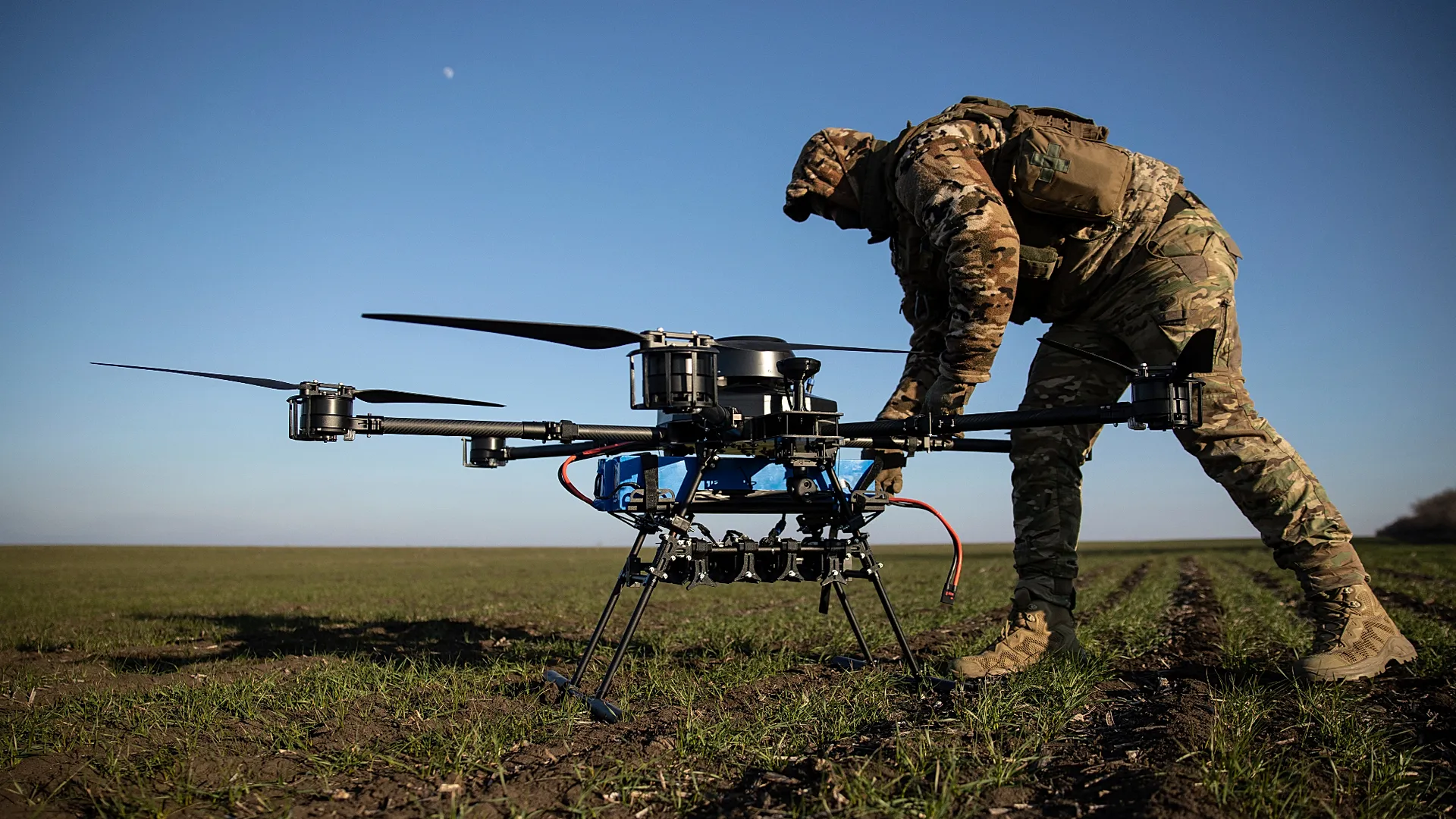
Rassvet remains far from continuous coverage, yet even intermittent connectivity could strengthen Russian drone operations.
MOSCOW, RUSSIA
Russia’s attempt to build an independent satellite internet constellation has suffered a major setback after none of the 16 Rassvet satellites launched in July reached their planned operational orbit. Most remain between approximately 300 and 400 kilometres above Earth, where atmospheric drag could shorten their useful lives. At least two appear to be moving toward re-entry.
The results contrast with the programme’s first major deployment in March. Of the 16 satellites launched then, 12 successfully reached a sustainable orbit and remain operational. Overall, only 37.5 percent of the Rassvet satellites deployed across the two launches have reached stable operational altitudes.
Developed by the Russian company Bureau 1440, Rassvet is intended to provide broadband connectivity through a constellation of low-Earth-orbit satellites. Russia would need several hundred functioning spacecraft to offer uninterrupted coverage comparable in purpose, though not in scale, to SpaceX’s Starlink network. Its current satellites reportedly provide only two daily communication windows over Ukraine, lasting up to 90 minutes in total.
That limited service still carries military significance. Satellite connectivity can allow Russian forces to control reconnaissance and attack drones beyond the range of conventional radio systems, transmit targeting information and coordinate units where terrestrial networks are unavailable or vulnerable to electronic warfare. The network could become particularly valuable after SpaceX and Ukraine introduced a verification system that disabled unauthorized Starlink terminals reportedly used by Russian forces.
Russia also faces a launch-capacity problem. Rassvet depends on Soyuz-2.1b rockets, which are costly, scarce and required for other military and civilian missions. Analysts estimate that Russia’s current launch rate would be insufficient to deploy and replace the hundreds of satellites needed for continuous coverage within the programme’s announced schedule.
Ukraine has consequently targeted infrastructure connected to the project, including the Progress Rocket and Space Centre, which manufactures Soyuz launch vehicles, and facilities associated with the Plesetsk Cosmodrome. These attacks are intended to disrupt the supply chain before Rassvet reaches operational scale. The programme has not yet become Russia’s equivalent of Starlink, but its partial functionality demonstrates why Ukraine is treating it as an emerging battlefield threat rather than a failed technological experiment.
Hechos que no se doblan. / Facts that do not bend.