

 Phoenix 24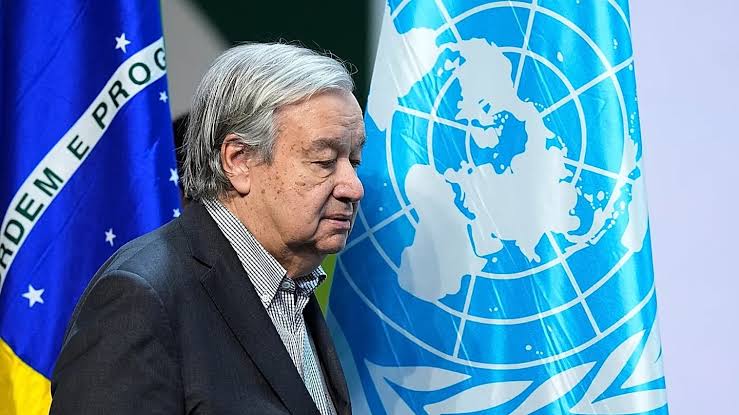
The appeal was delivered before governments with both the power to restrain conflicts and the interests that continue sustaining them.
BISHKEK, KYRGYZSTAN
United Nations Secretary-General António Guterres has urged world leaders to end what he called the “madness” of seemingly permanent wars. Speaking during the Shanghai Cooperation Organisation summit in Bishkek, he said the gathering provided a rare opportunity to address influential governments directly because several central actors in current conflicts were present.
Guterres identified Russia’s war against Ukraine, the continuing crisis in Gaza and the renewed military confrontation between Iran and the United States as conflicts demanding immediate diplomatic intervention. His appeal coincided with new US strikes against Iranian military targets and retaliatory Iranian missile and drone attacks across the Middle East.
On Iran, the secretary-general called for “maximum containment” and a return to negotiations that he said had previously appeared close to succeeding. He also emphasised the need to restore unrestricted navigation through the Strait of Hormuz and Bab el-Mandeb, two maritime corridors whose disruption affects energy supplies, food shipments and commercial transportation across the world.
The summit brought together leaders including China’s Xi Jinping, Russia’s Vladimir Putin, India’s Narendra Modi, Iran’s Masoud Pezeshkian and Turkey’s Recep Tayyip Erdoğan. The SCO’s ten members represent more than 40 percent of the global population, giving the organisation substantial demographic and political influence even though its members hold sharply different interests.
Guterres argued that engagement with regional organisations has become essential as international power shifts toward a more multipolar structure. He placed the SCO alongside the European Union and African Union as institutions with which the United Nations must cooperate. Such engagement can widen diplomatic access, but it does not guarantee agreement among governments that may benefit strategically from unresolved conflicts.
The secretary-general’s message contains an unavoidable institutional limitation. The UN can convene negotiations, deliver humanitarian assistance and establish legal principles, but it cannot impose peace when powerful states reject compromise or block collective action. The leaders gathered in Bishkek therefore face a test greater than issuing declarations: whether they will use their influence to reduce violence when doing so requires political costs, strategic concessions and accountability for allies as well as adversaries.
Hechos que no se doblan. / Facts that do not bend.