

 Phoenix 24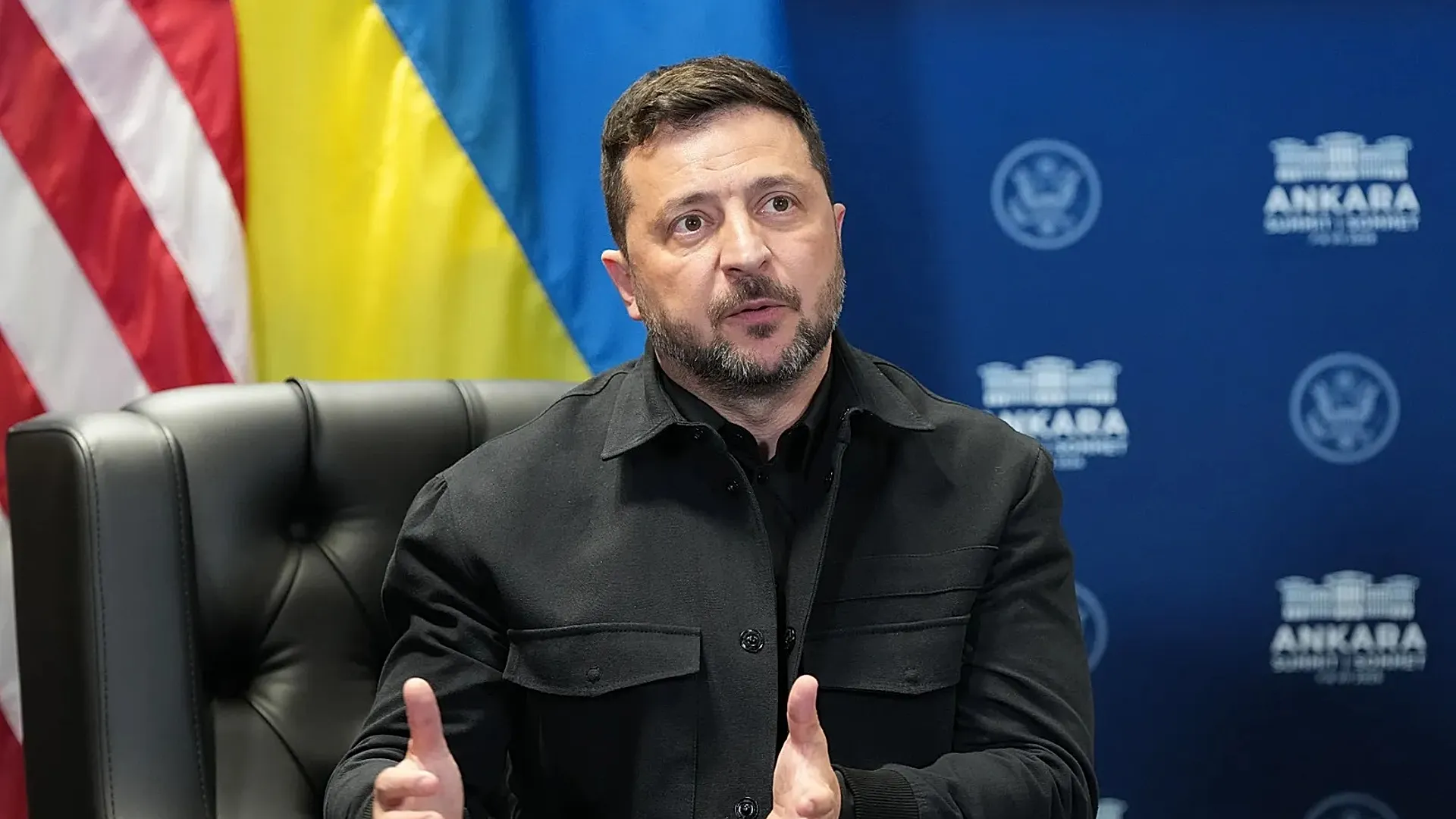
The cabinet changes signal a broader political reset.
Kyiv, July 2026
Ukrainian President Volodymyr Zelensky has announced a sweeping government reshuffle as the country confronts intensified Russian attacks, economic pressure and growing demands for stronger wartime management. Prime Minister Yulia Svyrydenko submitted her resignation on Sunday after less than a year leading the cabinet, opening the way for a new head of government. Zelensky described the changes as part of an updated political strategy intended to strengthen Ukraine’s internal resilience and international position. The identity of Svyrydenko’s successor has not yet been formally confirmed.
Svyrydenko became prime minister in July 2025 after previously serving as economy minister and first deputy prime minister. She played a central role in negotiating Ukraine’s strategic minerals agreement with the United States, a deal designed to attract investment while connecting American economic interests more closely to Ukrainian security. Her appointment was initially presented as a move to accelerate domestic arms production, economic deregulation and reconstruction planning. Her departure indicates that Zelensky is again seeking new momentum inside an administration operating under the prolonged pressures of war.
In announcing the restructuring, Zelensky said he had offered Svyrydenko responsibility for a new and important area involving relations with one of Ukraine’s principal international partners. He did not identify the country or specify the position, although the role is expected to carry considerable diplomatic weight. Svyrydenko stated that she remained prepared to serve Ukraine and undertake responsibilities connected to national security and the pursuit of a just peace. Her transition may therefore represent a reassignment rather than a complete departure from the country’s political leadership.
Sergii Koretskyi, chief executive of Ukraine’s state-owned energy company Naftogaz, has emerged in media reports as a leading candidate to become prime minister. Energy Minister Denys Shmyhal and Defense Minister Mykhailo Fedorov have also been mentioned among the figures who could receive expanded responsibilities during the reshuffle. None of these possibilities had been officially confirmed when the government changes were announced. Ukraine’s Parliament must ultimately approve the nomination of any new prime minister.
The restructuring is expected to extend beyond the cabinet and include senior positions within Ukraine’s law enforcement institutions. Zelensky has held meetings with prominent members of his administration responsible for defense, energy, internal security and economic management. He also indicated that specific experienced officials would be assigned to oversee Ukraine’s relations with the United States, European partners, China and countries in the Middle East. The emerging model suggests a more personalized distribution of foreign policy responsibilities under direct presidential supervision.
The announcement comes as Ukraine expands its long-range drone campaign against Russian energy infrastructure. Recent attacks have targeted oil facilities and transportation assets connected to Moscow’s war economy, while Russia has intensified missile and drone strikes against Ukrainian cities and ports. The exchange has placed additional strain on energy systems, defense production and civilian protection on both sides of the conflict. Kyiv’s government must therefore manage military escalation while maintaining public services, foreign assistance and economic stability.
Government reshuffles have become a recurring instrument in Zelensky’s management of the country since Russia launched its full-scale invasion in February 2022. Supporters argue that personnel changes allow the administration to adapt quickly to evolving military and diplomatic conditions. Critics contend that repeated reorganizations concentrate greater authority around the presidency and can weaken institutional continuity. The latest changes will be measured not by the number of officials replaced, but by whether they improve coordination between the government, Parliament, armed forces and international partners.
The political context is particularly sensitive because Ukraine remains under martial law and national elections cannot be held while those provisions remain in force. Zelensky has continued in office throughout the conflict, making cabinet appointments and parliamentary support increasingly important sources of institutional legitimacy. His governing party has also experienced internal tensions and difficulties securing votes for some reforms connected to European integration and international financing. A new prime minister will need to manage both the external war and a domestic political system showing signs of fatigue.
The reshuffle therefore represents more than a change at the top of the Ukrainian government. It is an attempt to reorganize authority, diplomatic access and executive responsibility at a moment when the battlefield and the political environment are becoming more demanding. The still-unconfirmed succession leaves an important question unresolved, but Zelensky’s message is already clear: Ukraine is preparing another phase of wartime governance. Whether the new structure produces greater effectiveness will depend on parliamentary approval, administrative execution and the confidence of Ukraine’s international allies.
Información que anticipa futuros. / Information that anticipates futures.