

 Phoenix 24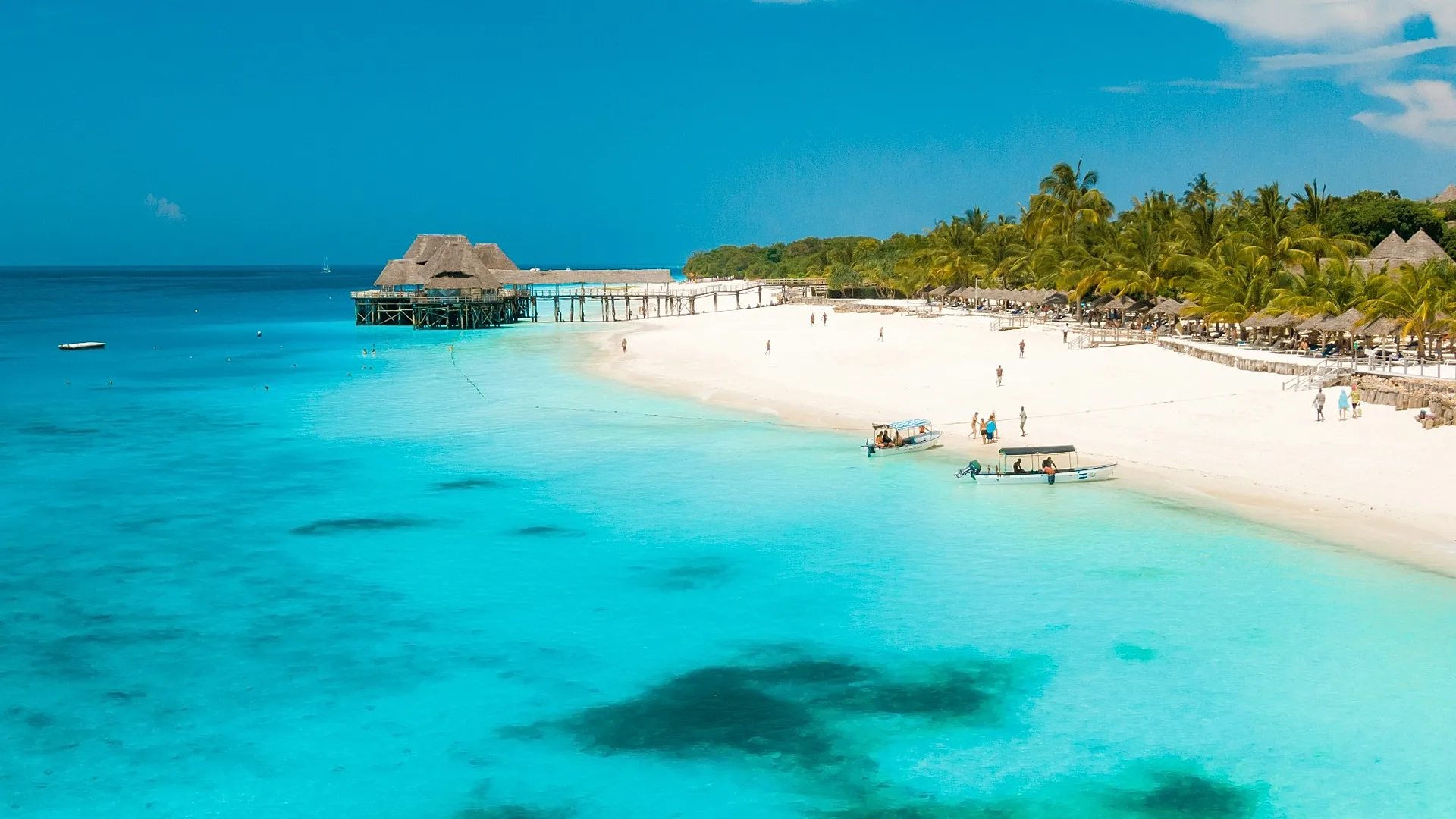
Beaches, culture and safari connections broaden its appeal.
ZANZIBAR, Tanzania | June 2026
Zanzibar is strengthening its position as one of the fastest-growing destinations in the Indian Ocean, combining white-sand beaches, turquoise water and a multicultural history at prices often lower than those found in the Maldives or Mauritius. The Tanzanian archipelago has long attracted backpackers and honeymooners, but improved air connections and a wider range of accommodation are drawing more European visitors. Its appeal now extends beyond resort travel because the islands offer historic districts, spice plantations, marine activities and easy connections with mainland safaris. Travelers can therefore combine relaxation, culture and wildlife within a single itinerary.
The archipelago lies approximately 35 kilometers off the coast of Dar es Salaam in East Africa. It consists mainly of Unguja, commonly called Zanzibar, and Pemba, together with several smaller islands. Zanzibar operates as a semiautonomous region of Tanzania and is surrounded by the warm waters of the Indian Ocean. This location has shaped its history as a commercial crossroads linking Africa, the Arab world, Persia and Europe.
Most international visitors arrive through Abeid Amani Karume International Airport, located a few kilometers south of Zanzibar City. Direct flights are available from several European destinations, while travelers can also connect through major hubs in Istanbul, Doha or Dubai. Seasonal routes continue to expand as airlines respond to rising tourism demand. Greater accessibility has helped transform Zanzibar from a specialist destination into a more mainstream alternative for winter sun.
Accommodation ranges from guesthouses and boutique hotels in historic Stone Town to large luxury resorts along the northern and eastern coasts. Travelers seeking full-service beachfront stays can choose properties offering private villas, multiple restaurants and direct access to the ocean. Budget-conscious visitors can find smaller hotels and beach lodges at substantially lower prices than many comparable Indian Ocean islands. This diversity allows the destination to serve both high-end travelers and those planning longer stays with limited spending.
Choosing where to stay depends largely on the type of experience desired. Stone Town is the best base for history, architecture, markets and local urban life. The north is known for lively beach areas, sunsets and water conditions that are less affected by dramatic tidal changes. The eastern coast offers quieter stretches of sand and stronger conditions for kitesurfing, although tides can significantly alter access to the sea during the day.
Stone Town remains the cultural center of the archipelago. Its historic district is recognized as a UNESCO World Heritage Site and is characterized by carved wooden doors, narrow streets and densely layered architecture. Swahili, Arab, Persian, Indian and European influences remain visible across its buildings and public spaces. Exploring the area on foot gives travelers a clearer understanding of Zanzibar beyond its beach image.
The island’s history is also closely connected to spices. Zanzibar is commonly known as the Spice Island because cloves, cinnamon, vanilla and nutmeg played a major role in its economy and international identity. Guided visits to plantations allow travelers to see how these products grow and how they are prepared for trade and cooking. These tours connect the natural landscape with the commercial history that brought foreign powers and merchants to the islands.
For beach travelers, Nungwi and Kendwa are among the most popular choices. Their clear water, broad sand and strong sunset views make them especially attractive for swimming and resort stays. The eastern coast offers a different atmosphere, with longer tidal movements, calmer communities and opportunities for water sports. Visitors should consider these differences before booking because the beach experience changes considerably from one part of the island to another.
The surrounding waters support snorkeling, diving and dolphin-watching excursions. Coral reefs and diverse marine life attract travelers seeking activities beyond sunbathing. Responsible operators are increasingly important because uncontrolled tourism can disturb dolphins, damage coral and place pressure on coastal ecosystems. Visitors should select companies that limit group sizes and avoid chasing or touching wildlife.
Many travelers combine Zanzibar with a safari on mainland Tanzania. Short flights connect the islands with destinations such as the Serengeti and the Ngorongoro Conservation Area. This combination creates one of the country’s strongest tourism advantages because visitors can move from major wildlife landscapes to tropical beaches within the same trip. It also allows Zanzibar to compete with destinations offering only resort-based experiences.
The best periods to visit generally correspond with the drier seasons. June through October offers lower rainfall and is often preferred for beach travel and safari combinations. December through February provides another dry and warm period, although temperatures can be higher. April and May usually bring the heavier Masika rains, while shorter Vuli rains commonly occur from November into December.
Entry requirements require careful preparation. Because Zanzibar is part of Tanzania, many international visitors need a Tanzanian visa. Depending on nationality, travelers may apply electronically before departure or obtain a single-entry tourist visa at major arrival points. The standard tourist visa is generally priced at 50 United States dollars, although visitors should confirm current rules before traveling.
International visitors must also obtain the mandatory Zanzibar entry insurance issued through the designated local insurer. This requirement applies independently of any private travel policy already purchased elsewhere. Travelers without the required coverage may face difficulties at entry. The rule makes advance documentation an essential part of planning rather than an optional precaution.
Cultural awareness is equally important. Zanzibar has a predominantly Muslim population, and visitors should dress more conservatively outside hotel and beach areas. Respectful behavior is particularly important in Stone Town, villages and religious spaces. Swimwear is appropriate at resorts and beaches, but it should not be treated as general street clothing.
Tourism growth brings both opportunity and pressure. New routes, resorts and investment generate employment, but they can also strain water supplies, waste systems and fragile coastal environments. Travelers can reduce their impact by limiting plastic use, conserving water and supporting locally operated businesses. Choosing responsible accommodation and excursion providers helps ensure that tourism income reaches the communities receiving visitors.
Zanzibar succeeds because it offers more than an affordable substitute for the Maldives. Its beaches provide the initial attraction, but its cultural history, food, architecture and connections with mainland wildlife create a broader travel experience. Careful planning remains necessary because tides, weather, visas and insurance can shape the journey. For travelers seeking the Indian Ocean without limiting themselves to a resort, Zanzibar presents one of Africa’s most complete combinations of nature, history and value.
Travel becomes meaningful when place replaces expectation. / El viaje cobra sentido cuando el lugar reemplaza la expectativa.