

 Phoenix 24
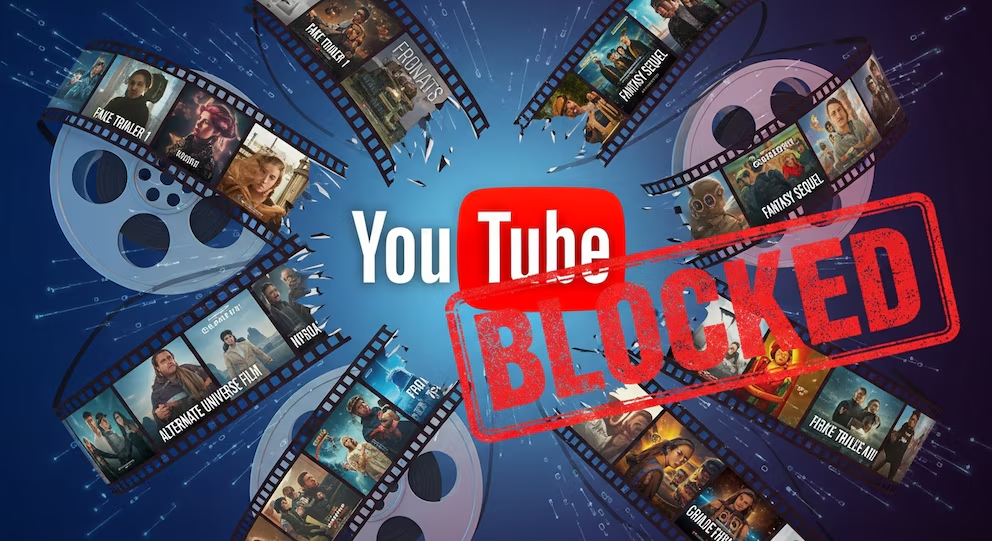
When synthetic visuals mimic reality, the boundary between innovation and deception becomes a battleground.
San Bruno, December 2025
YouTube intensified its enforcement actions against disinformation by removing a number of channels that had published AI-generated fake movie trailers, prompting concerns about how artificial intelligence is reshaping content authenticity on major platforms. The move comes amid rising reports from film studios and intellectual property owners that fabricated previews — created using generative technologies — are misleading users, exploiting search trends and potentially siphoning traffic away from legitimate promotional materials. YouTube’s decision underscores the platform’s effort to uphold content standards while confronting the accelerating sophistication of synthetic media.

Platform administrators flagged dozens of channels for repeatedly hosting trailers that purported to preview upcoming films but in fact featured fabricated footage, computer-generated actors and narrative elements that do not correspond to any officially announced production. These AI-generated clips often included convincing sound design, fabricated celebrity likenesses and detailed scenes that mimicked studio-level production values. The channels in question employed titles and descriptions tailored to search algorithms, effectively amplifying views and drawing users into engagement with content that had no official source. YouTube’s action signals a response to the intersection of artificial intelligence, monetisation and intellectual property protection.
The decision reflects growing pressure on content platforms to balance user expression with accountability for misleading or fraudulent material. The proliferation of AI-generated media raises complex questions about platform governance, intellectual property rights and audience trust. Film industry representatives have welcomed the removals, arguing that fake trailers undermine legitimate marketing campaigns and erode viewer confidence. They maintain that while creative fan content has long been part of film culture, synthetic media that falsely purports to preview unannounced works crosses a line into deceptive representation.
YouTube’s policy enforcement is not exclusively reactive. The platform has been investing in automated detection systems and human review processes designed to identify synthetic content patterns that differ from standard user uploads. These systems examine metadata irregularities, visual inconsistencies and distribution behaviours that align with coordinated uploads. The approach illustrates a hybrid strategy combining machine-assisted scanning with curated human oversight, acknowledging that purely algorithmic solutions remain insufficient as generative models evolve rapidly.
Critics of automated takedowns have cautioned against overreach, suggesting that platforms must carefully delineate between parody, speculative fan creations and content that deliberately misleads. In response, YouTube emphasised that the removed channels consistently violated guidelines by presenting AI-generated trailers as official previews without any disclaimers or attribution. The distinction between creative expression and purposeful deception, according to platform representatives, is central to maintaining an environment where users can trust what they encounter.
The episode highlights a broader trend in which artificial intelligence amplifies both creative possibilities and vectors for disinformation. As generative tools become more accessible, individuals and groups can produce high-fidelity media with minimal technical expertise. This democratization has cultural upside but also introduces friction in digital ecosystems where authenticity and provenance matter. Platforms, content owners and audiences are now negotiating norms that will shape how generative media is contextualised, labelled and governed.
For users, the immediate effect of the policy enforcement is a cleaner content landscape with fewer misleading previews. For creators and rights holders, it offers a precedent for collaborative governance between cultural industries and digital intermediaries. But the underlying challenge persists. As synthetic media capabilities advance, the need for robust frameworks that protect both creative freedom and public trust becomes increasingly urgent.
The incident also prompts reflection on how audiences interpret digital content. Trust in online platforms is shaped by perception as much as verification. When AI-generated material mimics official sources, even well-intentioned users can be misled. Strengthening digital literacy and encouraging critical engagement with online media are complementary to platform enforcement, reinforcing a civic responsibility that extends beyond algorithmic policing.
YouTube’s action signals a pivotal moment in the evolving relationship between generative technology and online content governance. It highlights not only the technical challenges of policing synthetic media but also the normative questions about what constitutes authenticity in a rapidly digitising cultural economy.
Phoenix24. The visible and the hidden, in context. / Phoenix24. Lo visible y lo oculto, en contexto.