

 Phoenix 24
Hospitality becomes the boundary between civilization and destruction.
Los Angeles | July 2026
Christopher Nolan’s The Odyssey presents monsters, gods, sorcery and war on an immense cinematic scale, but one of its most important ideas is neither a creature nor a battle. It is xenia, the ancient Greek principle governing the relationship between hosts and guests.
Often translated as hospitality or guest-friendship, xenia established reciprocal obligations between strangers. A host was expected to welcome the traveller, provide food, shelter and protection, and treat the visitor with dignity before demanding an explanation of identity or purpose.
The guest carried responsibilities as well. Travellers were required to respect the household, accept generosity without exploitation and avoid threatening the people who had received them. Hospitality was therefore not casual politeness. It was a system of mutual trust designed for a world in which journeys were dangerous and strangers frequently depended on one another for survival.
The custom was associated with Zeus in his role as protector of guests and travellers. For that reason, violating xenia was considered more than discourteous behaviour. It could represent an offense against divine order.
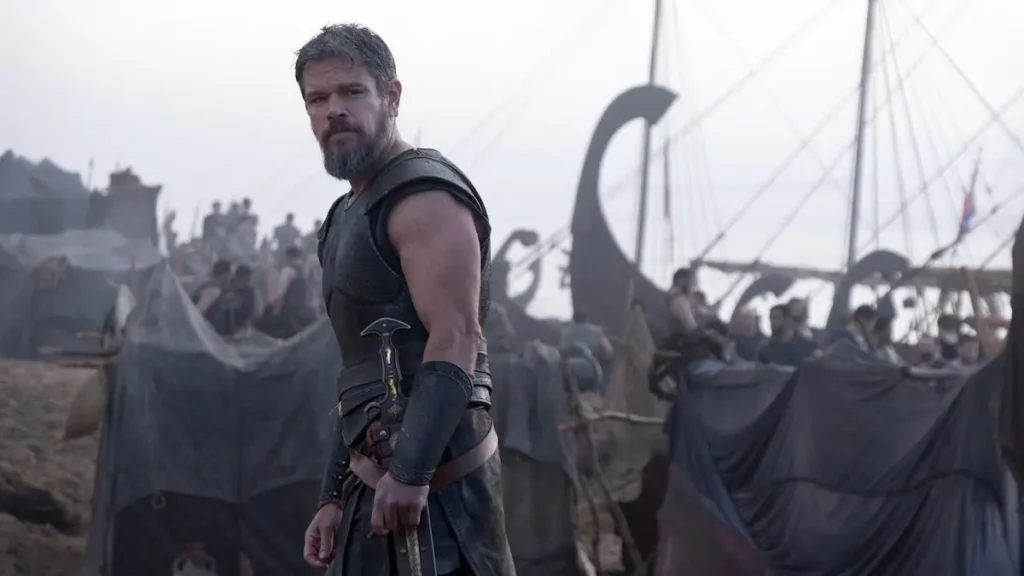
Ancient Greeks believed that a stranger arriving at the door might be a god in disguise. Welcoming an unknown visitor was consequently both a social duty and a spiritual test. The treatment of someone who appeared powerless revealed the true character of the household.
Nolan’s adaptation repeatedly refers to this tradition as Zeus’ Law of Hospitality, placing it near the moral centre of the story. The director uses the principle to connect the film’s mythological episodes through one question: what happens to individuals and societies when trust between host and guest is destroyed?
The answer begins before Odysseus starts his long journey home. Nolan interprets the Trojan Horse as an extreme violation of xenia because the Greeks disguise soldiers inside an apparent offering and use the recipient’s acceptance of that gift to destroy Troy from within.
The deception succeeds militarily, but its moral cost is enormous. A gesture that should communicate peace, gratitude or surrender becomes a container for violence. Hospitality is transformed into vulnerability, while generosity becomes the mechanism through which an entire city is attacked.

Through this interpretation, the fall of Troy becomes more than the conclusion of a war. It marks the collapse of an ethical order based on the belief that gifts, guests and hosts can exist without hidden aggression.
Odysseus emerges as the architect of the strategy and therefore as a hero whose intelligence is inseparable from manipulation. His brilliance saves Greek lives and ends the conflict, but it also establishes a pattern in which deception produces consequences that continue throughout his return to Ithaca.
The journey can be read as a succession of tests involving hospitality. Odysseus and his companions arrive repeatedly in unfamiliar territories where they must determine whether the inhabitants will protect, exploit or destroy them.
The encounter with the Cyclops Polyphemus represents one of the clearest violations. Odysseus expects the protections traditionally owed to travellers, but Polyphemus rejects the authority of Zeus and treats his guests as prey.
Yet Odysseus and his men are not morally blameless. They enter the Cyclops’ dwelling without permission and consume food that does not belong to them. The episode therefore complicates any simple separation between civilized guest and barbaric host.
Polyphemus commits the greater atrocity by murdering and consuming members of the crew, but the confrontation begins inside a space entered and used by strangers who assumed hospitality before it had been offered.
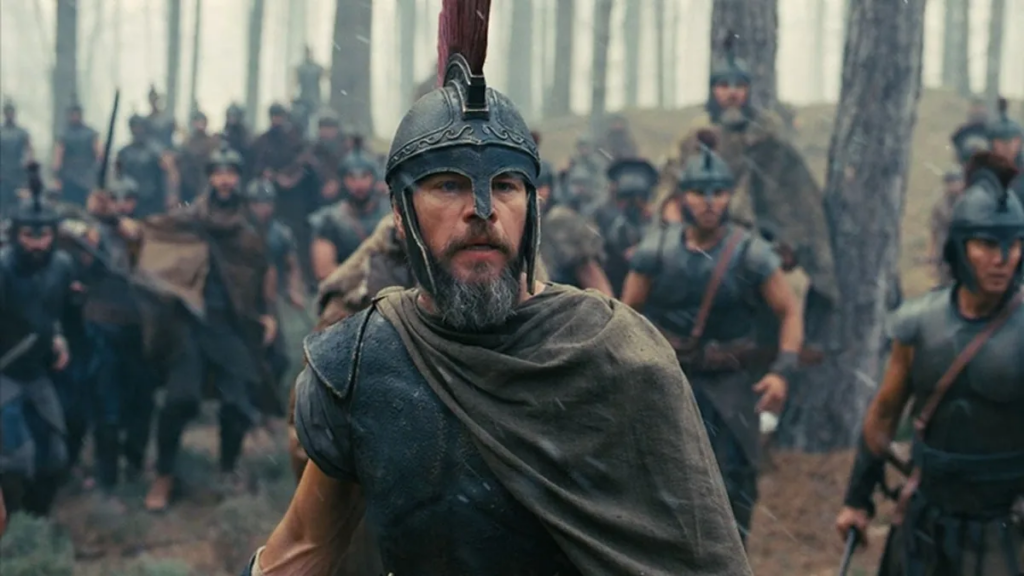
The scene with Circe examines the same principle from another direction. Odysseus’ sailors encounter an abundant meal and devour it greedily, treating the host’s generosity as something available for immediate consumption.
Circe responds by transforming them into pigs, turning their uncontrolled appetite into physical form. The punishment gives mythological expression to a human failure: guests who abandon restraint become indistinguishable from the impulses governing them.
Penelope’s suitors commit another sustained abuse of xenia. While Odysseus is absent, they occupy his home, consume his livestock and wine, pressure his wife to remarry and threaten the inheritance of his son Telemachus.
Their position initially resembles that of guests, but they gradually convert hospitality into occupation. They remain without legitimate invitation, exhaust the household’s resources and attempt to seize the authority of the absent host.
This violation helps explain why their eventual punishment is presented as more than personal revenge. They have corrupted the domestic and political order of Ithaca by exploiting the very customs that should have protected the household.
Penelope and Telemachus cannot simply expel them because the expectations surrounding hospitality, status and courtship restrict their actions. The suitors weaponize social convention, remaining inside the palace while destroying the family expected to receive them.
Odysseus’ disguised return creates the final test. Appearing as an unknown beggar, he experiences how his own household treats someone without visible power or status.
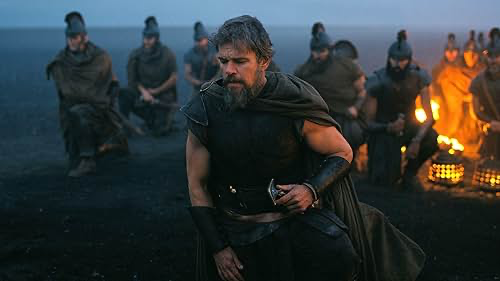
Those who show kindness reveal loyalty to the moral structure he once governed. Those who humiliate the stranger expose their corruption without realizing that the powerless visitor is the returning king.
The disguise gives practical meaning to the ancient warning that any guest could be divine or socially important. A person’s value cannot be judged safely through clothing, wealth or appearance because identity may remain hidden.
Xenia also explains why The Odyssey continues to resonate beyond its historical setting. Modern societies no longer organize hospitality according to the exact customs of Homeric Greece, but they remain dependent on trust between strangers.
International diplomacy, migration, tourism, trade and everyday social cooperation require people to enter spaces controlled by others. Each encounter involves expectations concerning safety, respect and reciprocity.
A refugee asking for protection, a traveller crossing a border or a visitor entering another person’s home occupies a position shaped by vulnerability. The host possesses resources and authority, while the guest must trust that those advantages will not be used abusively.
The host is also vulnerable. Welcoming a stranger requires confidence that generosity will not be exploited and that the guest will respect the boundaries of the household or community.
Nolan’s film uses this tension to present xenia as a fragile agreement sustaining civilization. When the host becomes predatory, hospitality becomes captivity. When the guest becomes exploitative, generosity becomes a path toward dispossession.
The Trojan Horse represents the most devastating version of that breakdown because it teaches the receiving society that trust itself can be fatal. Once a gift becomes a weapon, every future act of hospitality carries suspicion.
This interpretation gives Odysseus’ voyage a deeper moral structure. He is not simply trying to survive storms and supernatural enemies. He is moving through a world damaged by the collapse of the code he helped violate.

Each island, palace and encounter forces him to confront another form of broken trust. His journey home becomes a passage through the consequences of a victory achieved by transforming hospitality into deception.
The principle also complicates the concept of heroism. Odysseus is intelligent, courageous and resourceful, but he is not morally uncomplicated. His talents protect him while also producing suffering, and the qualities that make him victorious can threaten the order he hopes to restore.
Nolan’s use of xenia therefore prevents The Odyssey from becoming only a spectacular catalogue of famous adventures. The gods, monsters and witches remain essential, but they operate inside a recognizably human story about trust, betrayal and the obligations people owe one another.
Nearly three thousand years after Homer’s poem entered Western culture, xenia remains understandable because its central problem has not disappeared. Human beings still need strangers, yet they also fear what strangers may conceal.
Hospitality becomes the decision to preserve dignity despite that uncertainty. Its violation begins when another person’s trust is treated as an opportunity for domination.
Phoenix24 | Civilization survives when power protects the vulnerable stranger. La civilización sobrevive cuando el poder protege al extraño vulnerable.