

 Phoenix 24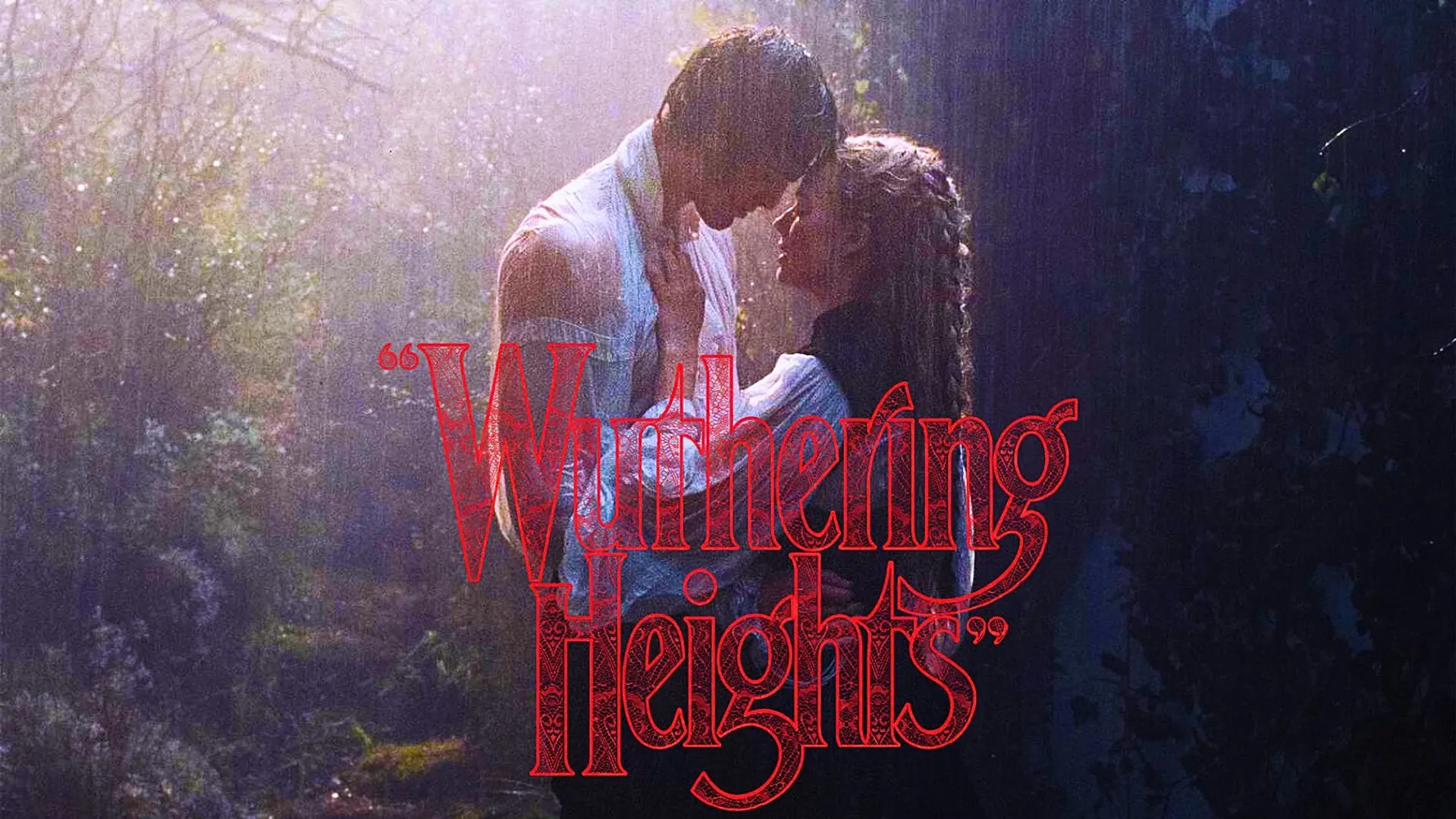
Wuthering Heights as a Luxury Provocation
Heat without consequence is just decoration.
London, February 2026. A new film version of Wuthering Heights arrives wearing the language of modern daring: erotic frankness, stylised menace, prestige casting, and a self conscious sense that a nineteenth century gothic can be refitted for today’s appetite. Emerald Fennell frames her adaptation as an intense reimagining rather than a museum piece, and in the first minutes the film signals its intent to unsettle. It reaches for shock and for taboo with the confidence of a director who believes provocation can substitute for excavation. The critical complaint forming around this release is not that it takes liberties, but that it spends its energy on surfaces and leaves the core of the story strangely untouched.
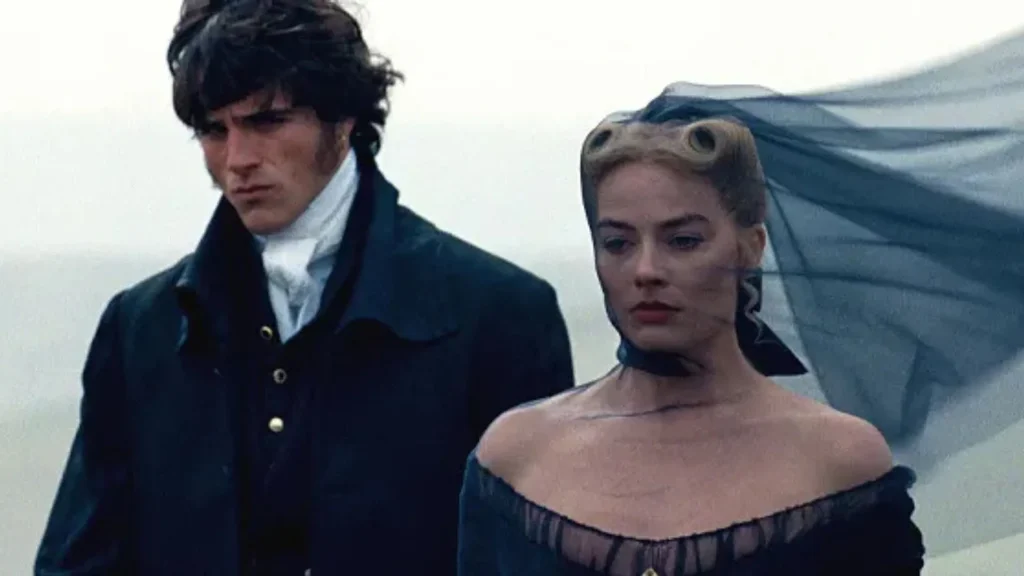
That core is not romance in the comfortable sense. Emily Brontë built a narrative in which desire behaves like possession and love behaves like self harm. The power of the original is structural: class pressure, humiliation, cruelty, and the slow manufacture of emotional violence that turns passion into a trap. When an adaptation removes too much of that scaffolding, it must replace it with something equally corrosive. Here, the argument goes, the replacement is often aesthetic heat, bodies framed as statements, and atmosphere treated as an end in itself. The result can look bold while feeling hollow, a storm rendered as a glossy product rather than a force that stains everyone who stands in it.

The casting makes the film culturally loud before it even speaks. Margot Robbie as Catherine and Jacob Elordi as Heathcliff give the story immediate magnetism. Yet magnetism is not automatically dread, and this story needs dread. The lovers in Brontë are not simply attractive, they are morally destabilising. Their bond is supposed to feel inevitable and frightening, the kind of intimacy that corrodes the people around it and eventually devours itself. In this film, critics describe a different effect: two striking icons moving through weather, fabric, and longing cues, while the psychology that should make the obsession inescapable remains underwritten. When intensity is signaled rather than constructed, the viewer is asked to supply the missing violence, and not every viewer will do that work.
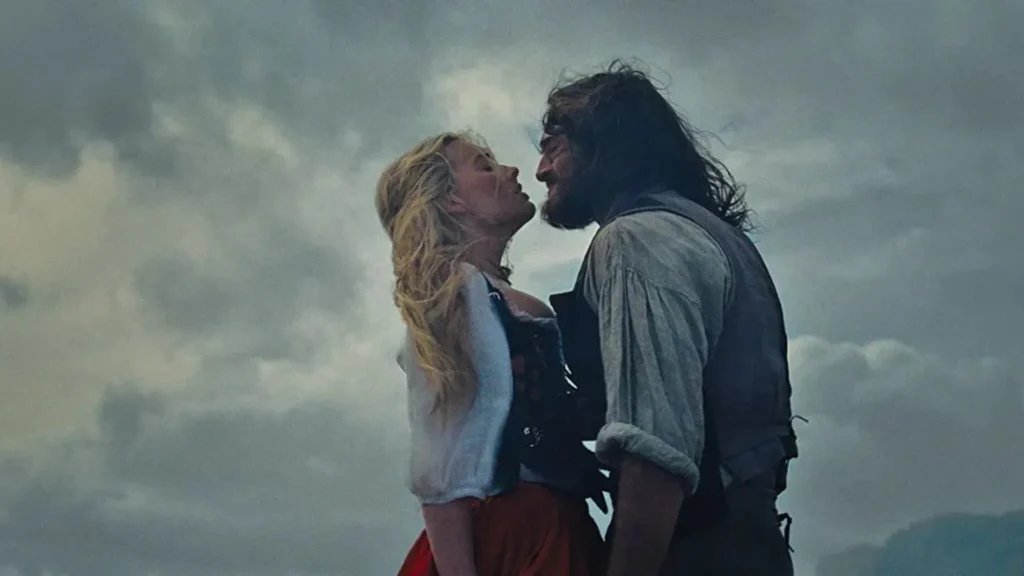
Simplification is where the adaptation’s strategy becomes most visible. Removing characters and compressing arcs can be defensible, even elegant, if the compression increases pressure. But the prevailing critique is that the film subtracts tensions without replacing them, flattening social forces into background decoration. The novel’s suffocation comes partly from systems: status, inheritance, domestic hierarchies, the humiliations that turn love into a battleground. When those systems are thinned out, obsession risks reading like a preference rather than a trap. Then, to keep the temperature high, the film leans on sex, shock imagery, and maximalist styling. The problem is not explicitness. The problem is that explicitness starts behaving like a shortcut, as if erotic display could automatically produce the same moral rot that Brontë achieved through structure.

The sexual material, as described in the strongest critiques, has an added-on quality, scenes that proclaim intensity rather than earning it through character transformation. Desire appears frequently, but it does not reliably change people in ways that feel irreversible. It decorates them. The film gestures at transgression, hints at kink, flirts with the grotesque, yet often refuses to chain cause to consequence. In a gothic tragedy, sex is not merely sensation, it is power. It should wound, expose, and reorder relationships. When it becomes a recurring motif without an escalating cost, it can feel like set dressing in an expensive moodboard.
Where the film undeniably succeeds is in impact. The visual world is treated as an event, and the production is engineered for tactile excess: bodies, mud, breath, and clothing that seems designed to communicate mood before dialogue does. The soundtrack strategy reinforces the contemporary translation impulse, with Charli XCX connected to the project’s musical texture and cultural positioning. This is a deliberate choice: to make gothic obsession feel like a modern fever dream. It will land for audiences who want sensation and a strong authorial stamp. The question raised by harsher reviewers is whether sensation without inner collapse can ever be enough for this story.
The adaptation also appears to soften its own cruelty. If the surrounding world is not convincingly oppressive, Heathcliff’s revenge reads less like inevitability and more like pose. If Catherine’s choices are not shown as shaped by a brutal social logic, her volatility becomes mannerism rather than tragedy. In Brontë, the point is that these people are trapped inside themselves and inside their world. In the critical framing of this film, the world feels less like a prison and more like a runway, with pain always about to arrive but repeatedly missing its cue.
What makes the debate around this release worth watching is that it captures a broader tension in contemporary cinema. Provocation travels fast. Aesthetic excess signals ambition. Explicit sex reads as adult. But gothic tragedy is not a filter, it is a mechanism. It requires pressure, consequence, and escalation. It requires that desire leaves scars, not just images. If you remove the engines of class, humiliation, and moral contagion, you can still create heat, but you may lose danger. And when danger disappears, the story becomes exactly what its critics accuse it of being: a luxurious provocation that cannot deliver the wound it keeps promising.
Detrás de cada dato, hay una intención. Detrás de cada silencio, una estructura.
Behind every data point, there is an intention. Behind every silence, a structure.