

 Phoenix 24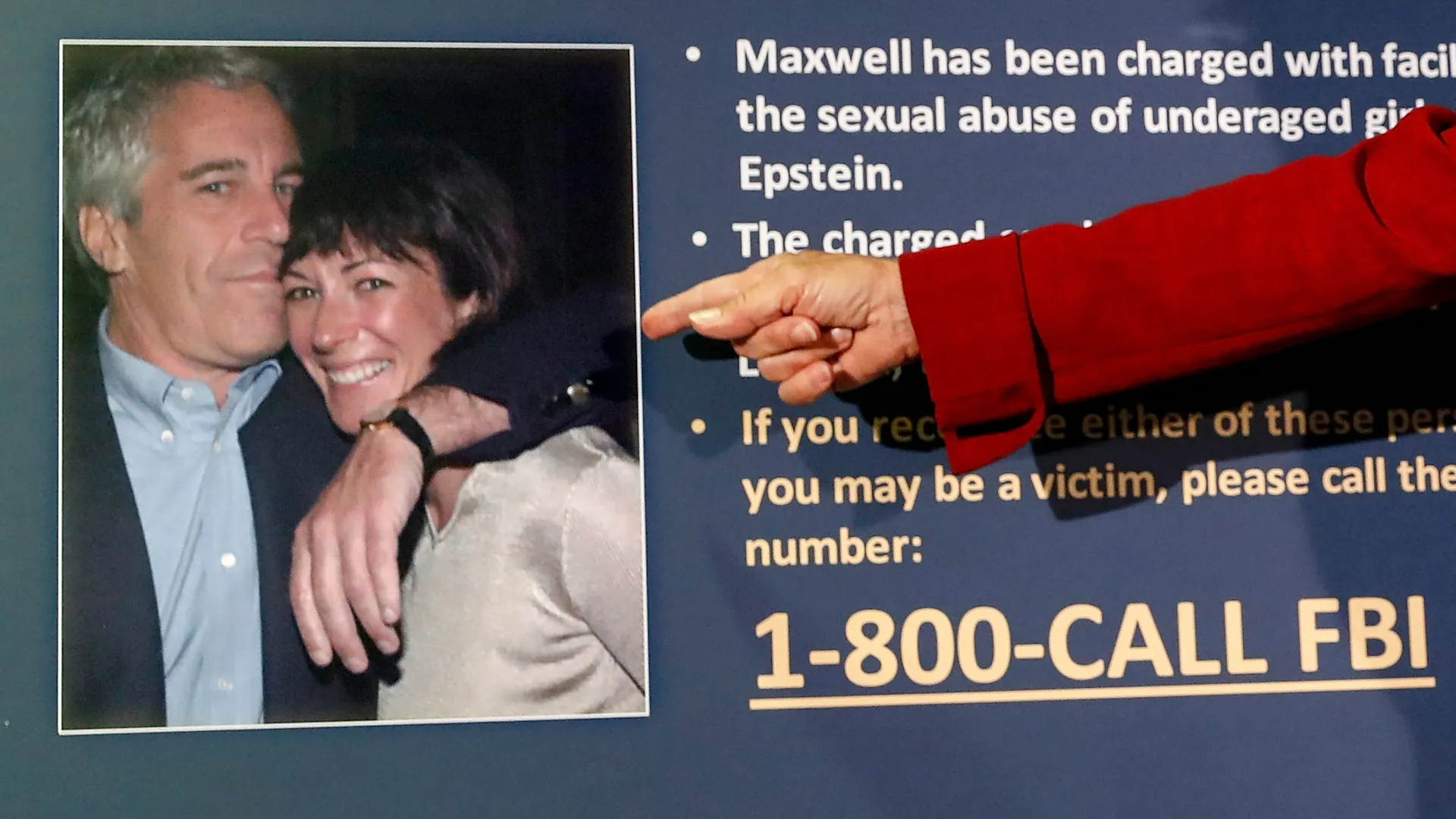
The administration moves quickly to frame the emerging documents as political theater rather than legal exposure.
Washington D.C., November 2025
The White House issued a firm rebuke after the release of a series of emails linked to Jeffrey Epstein, some of which claim that Donald Trump had prior knowledge of misconduct within Epstein’s network. Senior officials labeled the material as a fabricated storyline generated by congressional opponents, arguing that the timing and framing of the leak were intended to shape public perception rather than clarify facts. According to the Oversight Committee, one of the emails from 2011 suggested that Trump spent extended time with a person identified as a victim, while a later message from 2019 claimed he was aware of underage exploitation. The administration countered the allegation by asserting that the individual referenced had publicly stated that Trump was not involved in wrongdoing.
Within the United States, the incident immediately became a node of partisan tension. Analysts from the CSIS note that the administration’s swift rejection aims to control narrative momentum during a politically sensitive cycle, particularly as archival releases continue to test the boundaries between transparency and political leverage. From Europe, observers at the European Council on Foreign Relations highlight how the episode reflects a broader crisis of credibility affecting institutions when scandals involving elite networks emerge. In Asia, researchers at the Lowy Institute view the White House’s reaction as part of a global trend where political actors prioritize information management as a survival mechanism in hyperpolarized environments.
Despite the political noise, independent reviewers indicate that the emails remain fragmentary, heavily redacted and lacking corroborating context. International legal experts argue that without additional documentation, the material cannot be considered determinative. That ambiguity fuels a deeper debate over the role of congressional committees in handling sensitive archives tied to figures with extensive political influence.
The evolution of the case underscores how transparency battles increasingly define modern governance. The administration’s decision to label the documents as a fabricated narrative signals an attempt to maintain institutional control amid competing versions of events. Observers warn that the stakes go beyond the veracity of individual emails, touching instead on public trust, elite accountability and the growing difficulty of distinguishing legal fact from political construction.
Phoenix24: clarity in the grey zone. / Phoenix24: claridad en la zona gris.