

 Phoenix 24
When money no longer needs hands, only eyes, power quietly changes shape.
Singapore, January 2026.
The way people pay is entering a phase where the body replaces the device. No card, no phone, no code. Now, it is enough to look. A new payment system based on iris recognition allows purchases to be approved using only the eyes, turning the gaze into a financial key.
The system works through smart glasses that display the purchase information directly in the user’s field of vision. The amount appears in front of the eyes and, by fixing the gaze to confirm, the system analyzes the unique pattern of the iris and verifies identity. In seconds, the transaction is approved without touching anything.
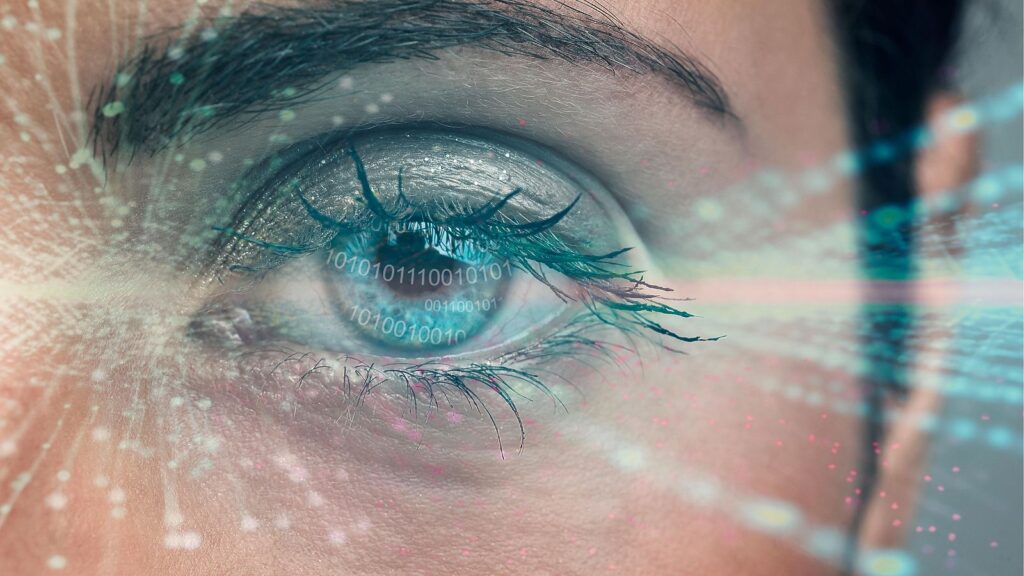
The technology relies on advanced ocular biometrics. The iris contains hundreds of unique features that barely change throughout life. This makes it harder to fake than a fingerprint or even a face. The algorithms do not only recognize the pattern, they also verify that the eye is real and alive, blocking fraud attempts based on photos, videos or artificial replicas.
This model seeks to reduce payment friction to the minimum. Every step that once felt normal is now considered a barrier: taking out the phone, opening an app, scanning, confirming. The new logic is that paying should be as natural as looking at what you want to buy.
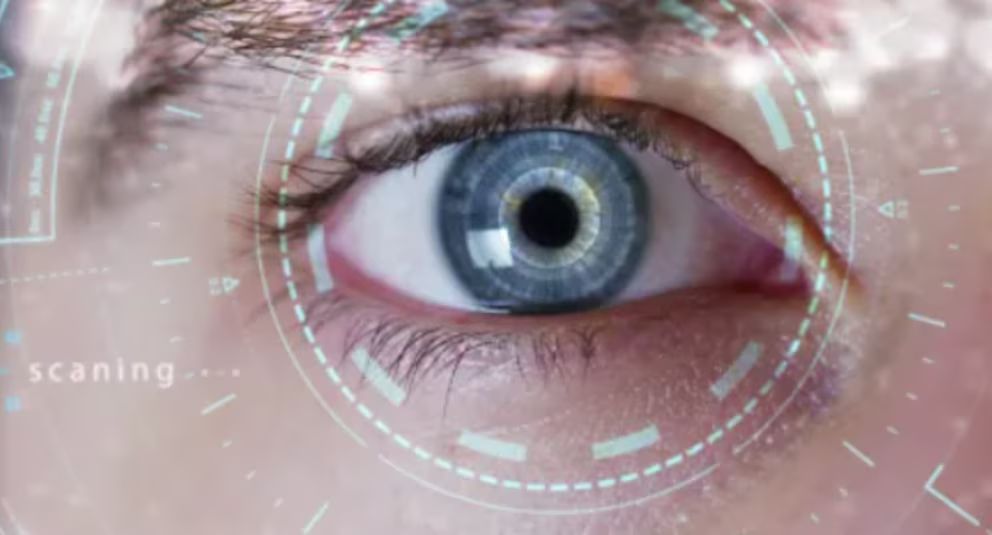
But this shift is not only technical. It is cultural and political. When the body becomes the password, money enters the territory of biological identity. You no longer lose a card or forget a code. You put part of your own body at stake as a financial signature.
This creates a deep dilemma. The iris is extremely sensitive data. It cannot be changed like a password. If it is leaked or misused, there is no way to replace it. That is why systems like this depend less on hardware and more on trust: who stores the data, how it is protected, and under what rules it can be used.
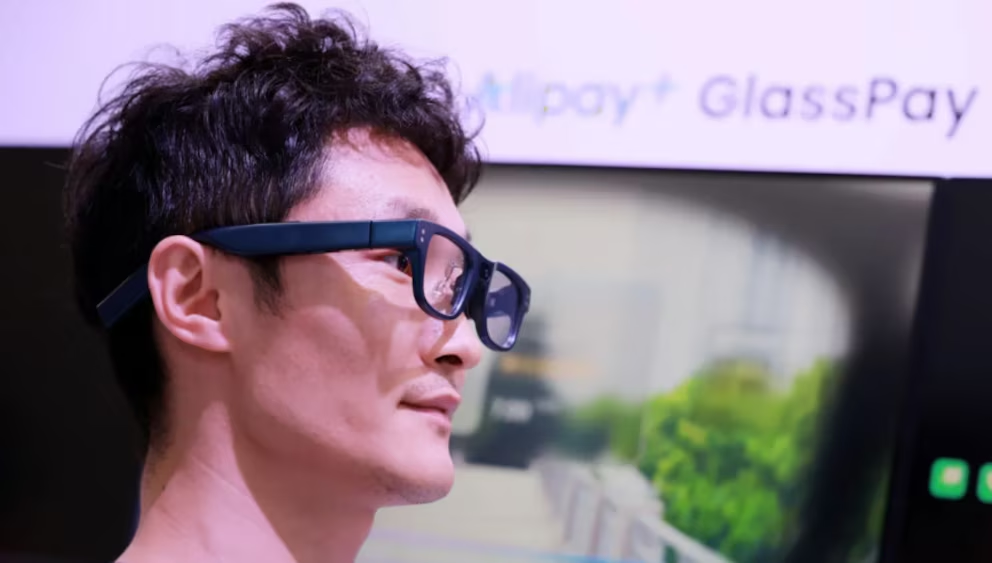
Its creators present it as a glimpse of the future, not as immediate mass adoption. Regulation, social acceptance and strong privacy guarantees are still missing. Yet the direction is clear: payments are becoming invisible and merging with everyday biology.
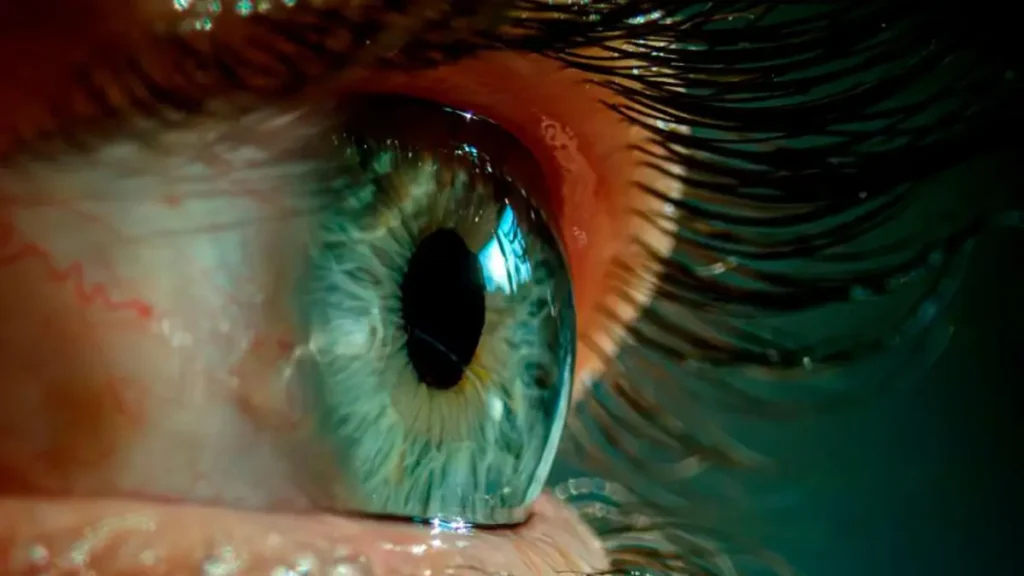
When paying becomes looking, money stops being an object and becomes a gesture. And when that gesture is your body, the border between technology, identity and economic power becomes dangerously thin.
Behind every piece of data, there is an intention. Behind every silence, a structure.