

 Phoenix 24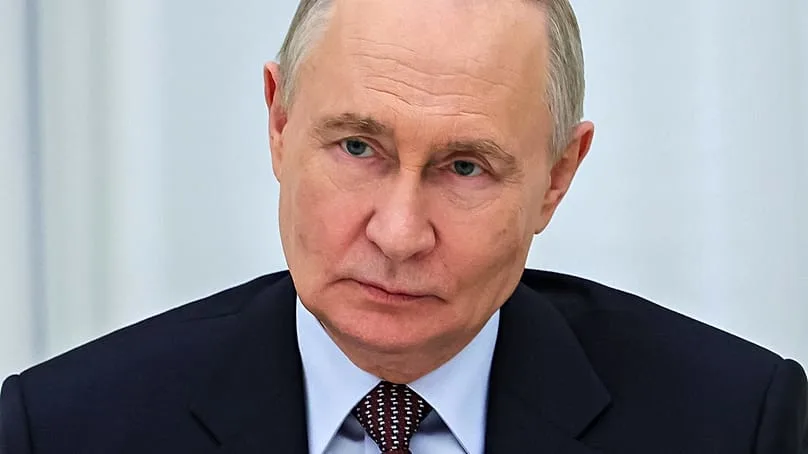
Justice is becoming a battlefield of its own.
The Hague, May 2026. Thirty-six countries have joined the creation of a special tribunal designed to prosecute Russia’s crime of aggression against Ukraine, marking one of Europe’s most ambitious legal moves since the start of the full-scale invasion. The court is intended to fill a jurisdictional gap left by the International Criminal Court, which can pursue war crimes but cannot fully prosecute Russia’s original decision to launch the invasion.
The political message is direct. Europe is trying to transform accountability from a diplomatic slogan into institutional machinery. The tribunal could, in theory, target senior Russian figures, including Vladimir Putin, although practical prosecution remains difficult while he remains in power and outside the reach of arrest.
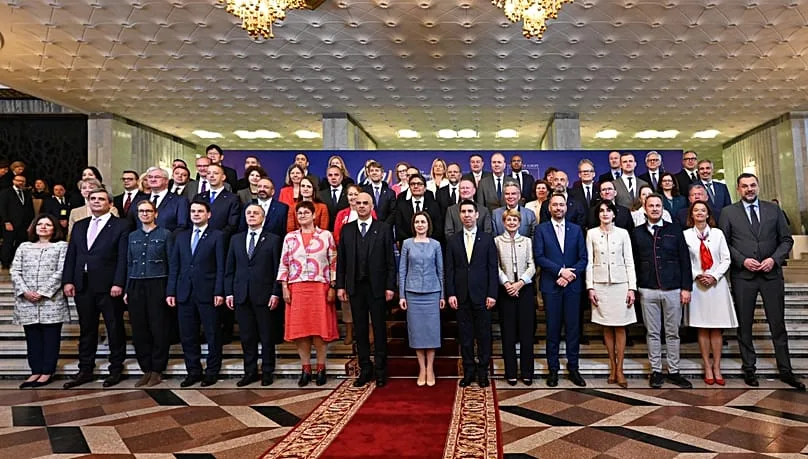
The move also exposes fractures inside Europe. Several countries have not joined the agreement, including Hungary, Slovakia, Bulgaria and Malta, showing that legal unity against Moscow still has political limits. Yet the broader coalition suggests that Ukraine’s allies want a permanent record of responsibility that survives military fatigue, election cycles and future peace negotiations.
For Kyiv, the tribunal is more than symbolism. It is an attempt to prevent any settlement from burying the question of aggression beneath the language of ceasefire and reconstruction. For Moscow, it is another sign that the war’s consequences are being institutionalized beyond the battlefield.
The tribunal may not put Putin in the dock soon. But it changes the legal terrain around him. Europe is no longer only arming Ukraine; it is building the architecture of historical prosecution.
Contra la propaganda, memoria. / Against propaganda, memory.