

 Phoenix 24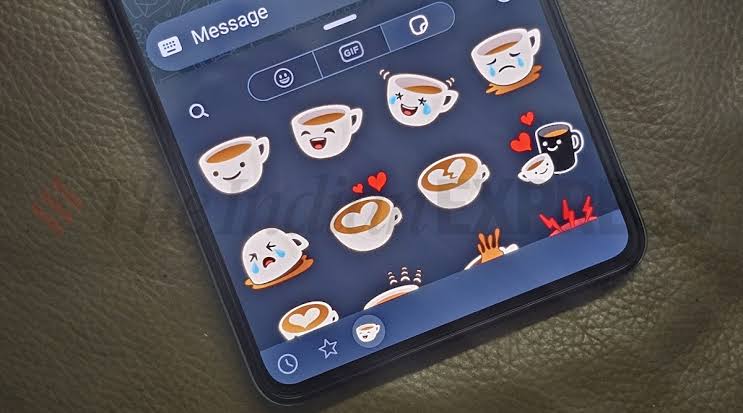
Visual conversation is becoming easier to create without leaving the messaging app.
Menlo Park
WhatsApp is expanding the creative role of artificial intelligence inside everyday messaging by allowing users to transform photos and written descriptions into personalized stickers. The tools reduce the need for external editing applications and make image based communication increasingly immediate, conversational and customizable.
One option begins with a photograph already stored on the phone. Users can select an image, isolate the main subject and convert it into a sticker that can then be personalized with text, drawings, emojis or additional visual elements. This process allows ordinary photographs of people, pets, objects or situations to become reusable reactions inside conversations.
Artificial intelligence adds a second path. Through WhatsApp’s integrated creation tools, users can write a short description of the sticker they want and receive several generated alternatives. A request can describe a character, expression, object or imaginary situation, allowing the system to create visual content without requiring the user to provide an original image.
The generated stickers can then be edited before or after they are saved. Users can add text, combine them with other stickers, draw over the image or mark frequently used creations as favorites. Once stored, the same sticker can be reused across different chats without repeating the generation process.

The functionality reflects a broader shift in messaging platforms. Communication is moving beyond text, photographs and predefined emoji toward content generated in real time for a specific conversation. Artificial intelligence effectively turns each user into a small scale creator capable of producing visual reactions tailored to context.
Meta has also introduced safeguards around AI generated content. Availability can vary by country and application version, while inappropriate material can be reported. In some circumstances, platforms may identify content produced with artificial intelligence in order to comply with transparency requirements.
The most significant change is not technological complexity but accessibility. Tasks that once required graphic design software, image cropping tools or dedicated sticker applications can increasingly be completed inside a single conversation.
WhatsApp is therefore turning personalization into an integrated feature of communication. The sticker is no longer merely selected from a library. It can be created at the exact moment the conversation requires it.
Narrative is power too.