

 Phoenix 24
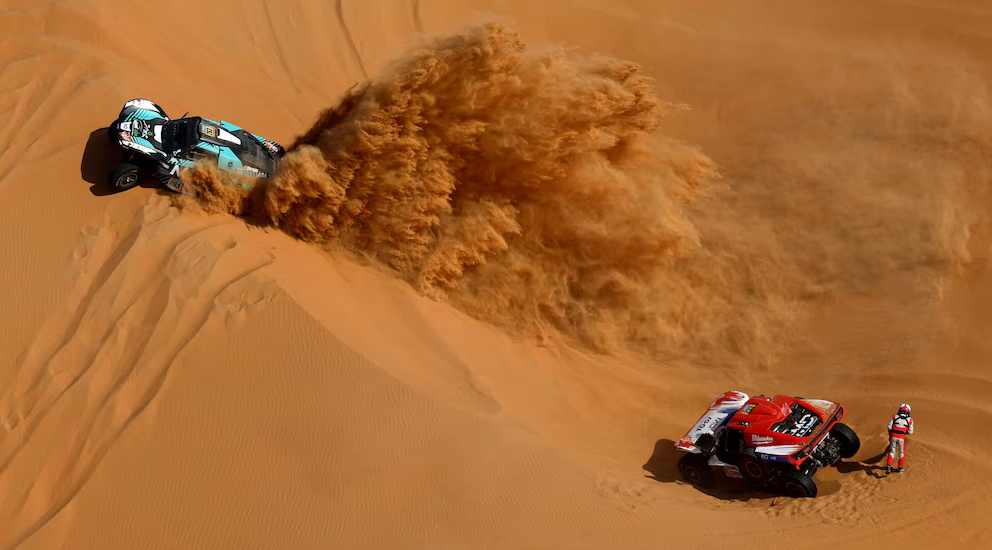
The upcoming edition of the iconic rally raid promises an unparalleled test of endurance, precision and strategy as competitors face demanding terrain and an expanded Argentine contingent.
Buenos Aires, Argentina.
The Dakar Rally 2026 is shaping up as one of the most demanding editions in recent memory, with organisers designing a route that emphasises navigational complexity, terrain diversity and sustained physical pressure. Traditionally synonymous with extremes of desert endurance, the Dakar has evolved into a global motorsport benchmark that tests both machine and rider, and this year’s itinerary reflects a deliberate intensification of challenges across multiple classes. The rally’s structure, featuring long special stages and limited support windows, ensures that teams and competitors must balance pace with prudence in an environment where minor errors can cascade into significant consequences.
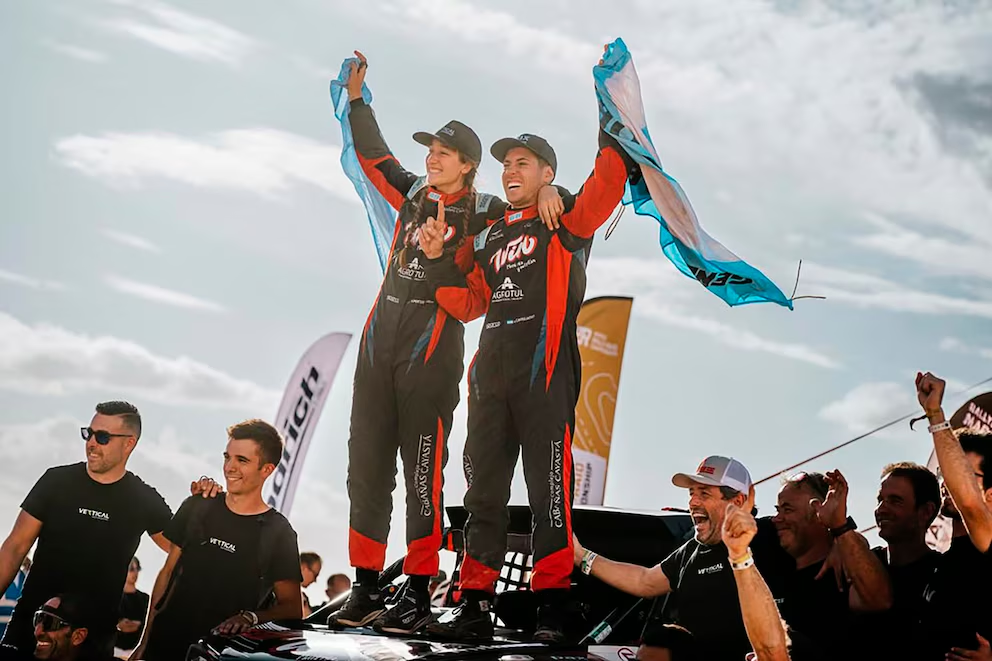
A notable development for the 2026 edition is an expanded Argentine presence, with a contingent of approximately twenty local competitors registered to compete in categories ranging from motorcycles to cars and side-by-side vehicles. Argentina’s deep rally traditions and passionate motorsport culture have produced riders and drivers who thrive on the rigours of off-road navigation, and their strong representation is anticipated to add competitive depth and national interest to the event. The strategic presence of Argentine competitors also underscores the rally’s longstanding ties to South America, where diverse geography has shaped the discipline’s competitive identity.
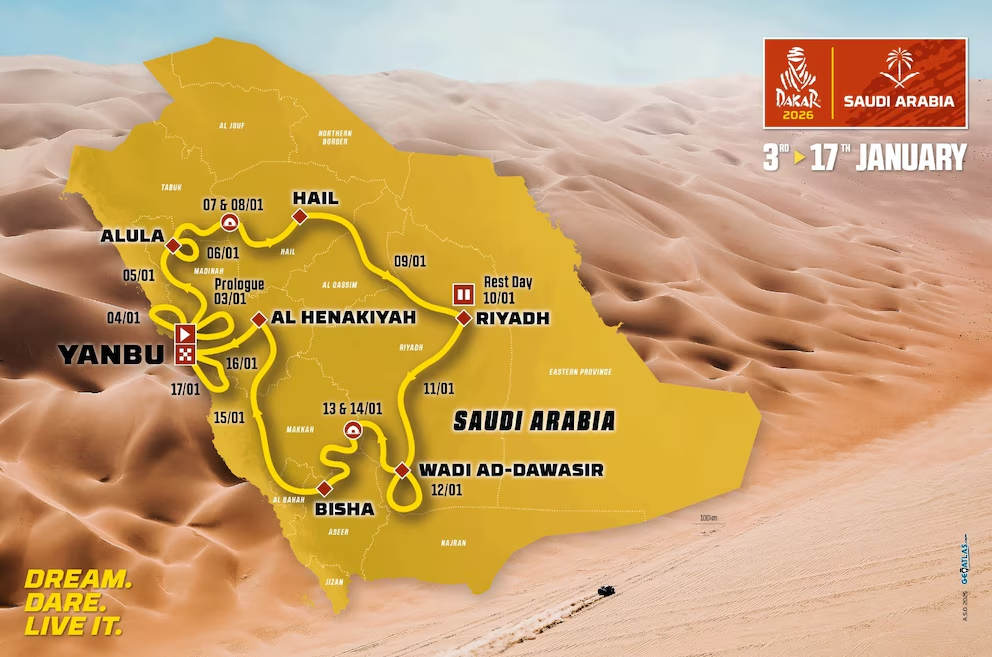
The terrain planned for this Dakar edition includes expansive dune fields, rugged mountain passages and high-speed plains, requiring seamless coordination between navigation and mechanical reliability. Riders and drivers will need to interpret roadbooks with precision while managing tire wear, fuel consumption and suspension stress, all under the pressure of a continuously evolving leaderboard. The topology of the course is designed to reward strategic decision making as much as sheer speed, and the interplay between risk and reward will be a recurring theme across stages.
The rally’s logistical demands are as formidable as the terrain itself. Competitors face long liaison sections between special stages that require disciplined time control and resource management. Service crews, often stretched between bivouacs under austere conditions, must execute rapid maintenance and repairs to keep vehicles within competitive range. This operational choreography highlights how success in the Dakar is as much a product of organised teamwork as it is of individual endurance.
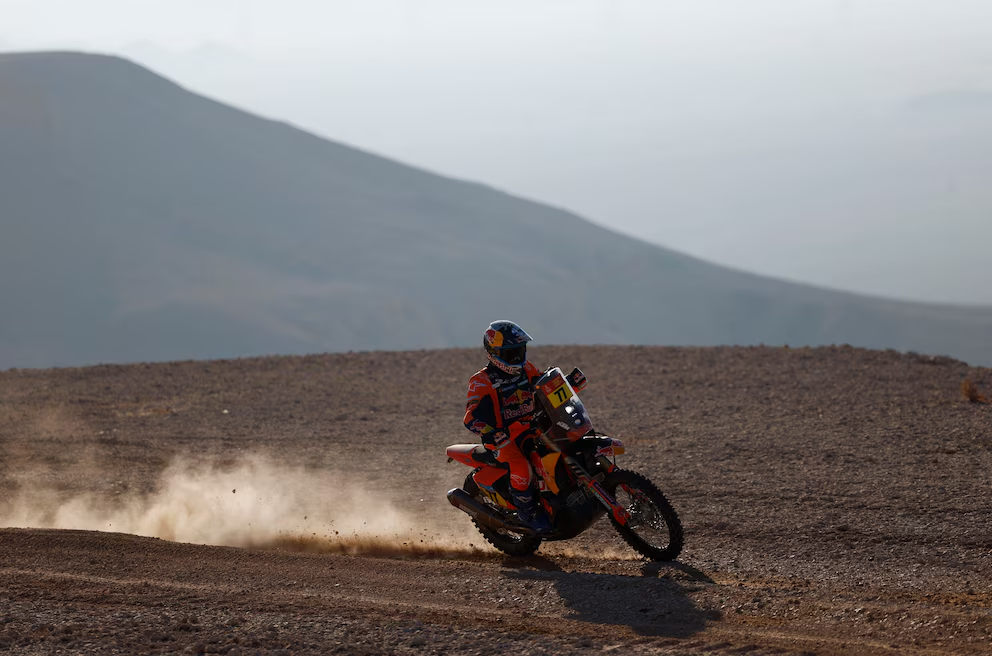
For many participants, the physical toll of consecutive long days under harsh conditions remains the rally’s defining trial. Extreme temperatures, dust exposure and sleep deprivation compound cumulative fatigue, making recovery strategy an essential component of competitive preparation. The grid’s veterans, familiar with the rhythm of rally raid competition, understand that measured pacing, hydration management and injury prevention are as critical as navigational accuracy.
In recent editions, technological integration has further shaped competitive dynamics. Digital navigation aids, telemetry systems and real-time performance analytics provide teams with data to inform tactical adjustments, yet the sport retains elements of uncertainty that resist full digital dominance. Satellite positioning and communication systems assist with safety and tracking, but the essence of Dakar competition still rests on human interpretation of terrain and instantaneous judgement calls under stress.
The rally also carries broader economic and cultural significance for host regions. As the event winds through varied landscapes, it draws attention to remote communities and attracts international media coverage, generating opportunities for local engagement and tourism promotion. The symbiotic relationship between the rally and its host geographies reflects motorsport’s role in stimulating economic activity beyond established urban circuits.
Safety remains a central concern for organisers and competitors alike. Despite advances in protective gear, vehicle engineering and emergency response coordination, the inherent risk of high-speed off-road racing persists. Medical teams, recovery vehicles and air support are deployed with strategic precision to safeguard participants, yet every competitor recognises that risk management is an ongoing negotiation between competitive ambition and self-preservation.
The competitive field itself illustrates the evolving nature of rally raid excellence. Established champions, emerging talents and cross-disciplinary athletes converge on the Dakar with varying histories of success, creating an unpredictable matrix of performance potential. The blend of experience and innovation ensures that victories are rarely monopolised and that stage results can shift rapidly as conditions and strategic choices unfold.
As the 2026 Dakar Rally approaches its start date, anticipation is building among teams, spectators and motorsport analysts. What promises to be a contest of equal parts endurance, navigation and adaptability will once again test the limits of human and mechanical performance. The intensity of the challenge, combined with the expanded Argentine participation and the rally’s cultural resonance, sets the stage for a compelling chapter in the storied history of this iconic competition.
Detrás de cada dato, hay una intención. Detrás de cada silencio, una estructura.
Behind every data point, there is an intention. Behind every silence, a structure.