

 Phoenix 24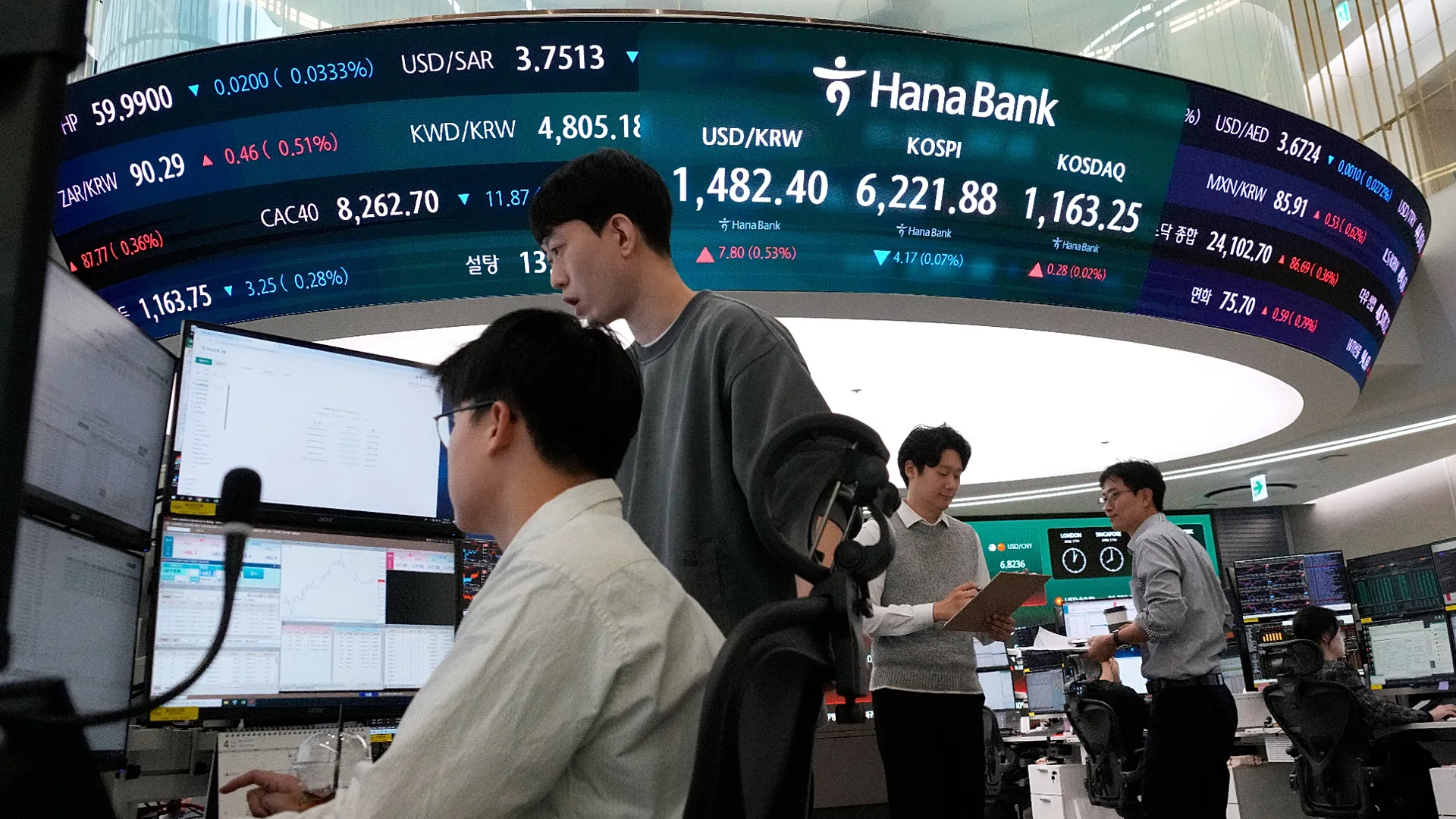
The biggest losers are now leading.
London, April 2026. The markets once expected to suffer most from the war with Iran are now among the strongest performers of the year, exposing a reversal that has unsettled conventional investor logic. At the start of the conflict, economies heavily dependent on imported energy, especially in Asia, were viewed as structurally vulnerable to oil shocks, shipping disruptions, and wider inflationary pressure. Yet the post-crisis rebound has been sharp enough to push several of those same markets back toward the front of the global performance table. The result is a financial narrative that no longer follows the old sequence of war, decline, and prolonged recovery.
The timing of that inversion matters. During the opening weeks of 2026, many equity markets were already climbing on expectations of easier monetary conditions and continued strength in technology-related sectors. The outbreak of war then interrupted that momentum, triggering anxiety around energy routes, transport costs, and the broader stability of trade flows. The initial selloff reflected a familiar instinct: capital moved away from exposed markets, volatility spiked, and the regions seen as most dependent on imported fuel were hit hardest.
What followed, however, broke with historical expectations. As fears of a wider escalation began to recede and markets started pricing in a more limited conflict horizon, investors returned aggressively to assets that had been oversold during the panic phase. This was not a recovery driven by a full restoration of stability. It was a rebound driven by speed, liquidity, and the increasingly common assumption that geopolitical shocks create temporary dislocations rather than durable market paralysis. In effect, uncertainty itself became tradable.
That shift reveals something deeper about the architecture of global finance. Markets are now more willing to detach short-term asset pricing from long-term structural fragility, especially when algorithmic strategies, institutional liquidity, and rapid risk rotation dominate behavior. Under these conditions, even a war tied to energy insecurity and regional instability can generate selective outperformance rather than broad-based retreat. The market is no longer reading conflict only as destruction. It is reading conflict as dispersion, which means someone will always move first to price the rebound.
This divergence becomes even more striking when measured against the economic fundamentals. A war involving Iran inevitably intensifies pressure on oil markets, shipping routes, inflation expectations, and industrial costs across multiple regions. Those pressures do not disappear simply because equities recover. They remain embedded in transport, manufacturing, consumer prices, and fiscal planning. That is why the recent rally should not be mistaken for proof of resilience in the underlying economies. In many cases, it reflects financial anticipation outrunning material reality.
The winners of this environment are also unevenly distributed. Energy producers, defense-linked industries, and trading-heavy financial institutions often gain from volatility, while sectors more exposed to fuel costs or disrupted demand absorb the damage. Airlines, logistics-intensive manufacturers, and other energy-sensitive industries remain vulnerable even when headline indices recover. This creates a distorted picture in which market averages suggest confidence while large parts of the real economy continue to operate under intensified pressure. The recovery, in other words, is selective before it is universal.
What makes this episode important is not simply that markets bounced back. It is that they did so in a way that reveals a new hierarchy of financial instincts. War no longer automatically produces a long period of disciplined fear. Instead, it produces a contest over who can monetize instability fastest. In that environment, the label of “biggest loser” becomes temporary, sometimes even advantageous, because the sharpest initial decline can create the most attractive entry point once capital decides the panic has peaked.
What emerges from this reversal is a broader truth about the present market order. Global finance has become increasingly capable of transforming geopolitical stress into tactical opportunity without waiting for political resolution or economic repair. That does not mean the risks are gone. It means the system has learned to trade around them, over them, and sometimes directly through them. The real question is not why these markets rebounded so fast. It is whether a financial system that rewards recovery before stability can still distinguish between resilience and illusion.
Behind every data point, there is an intention. Behind every silence, a structure.