

 Phoenix 24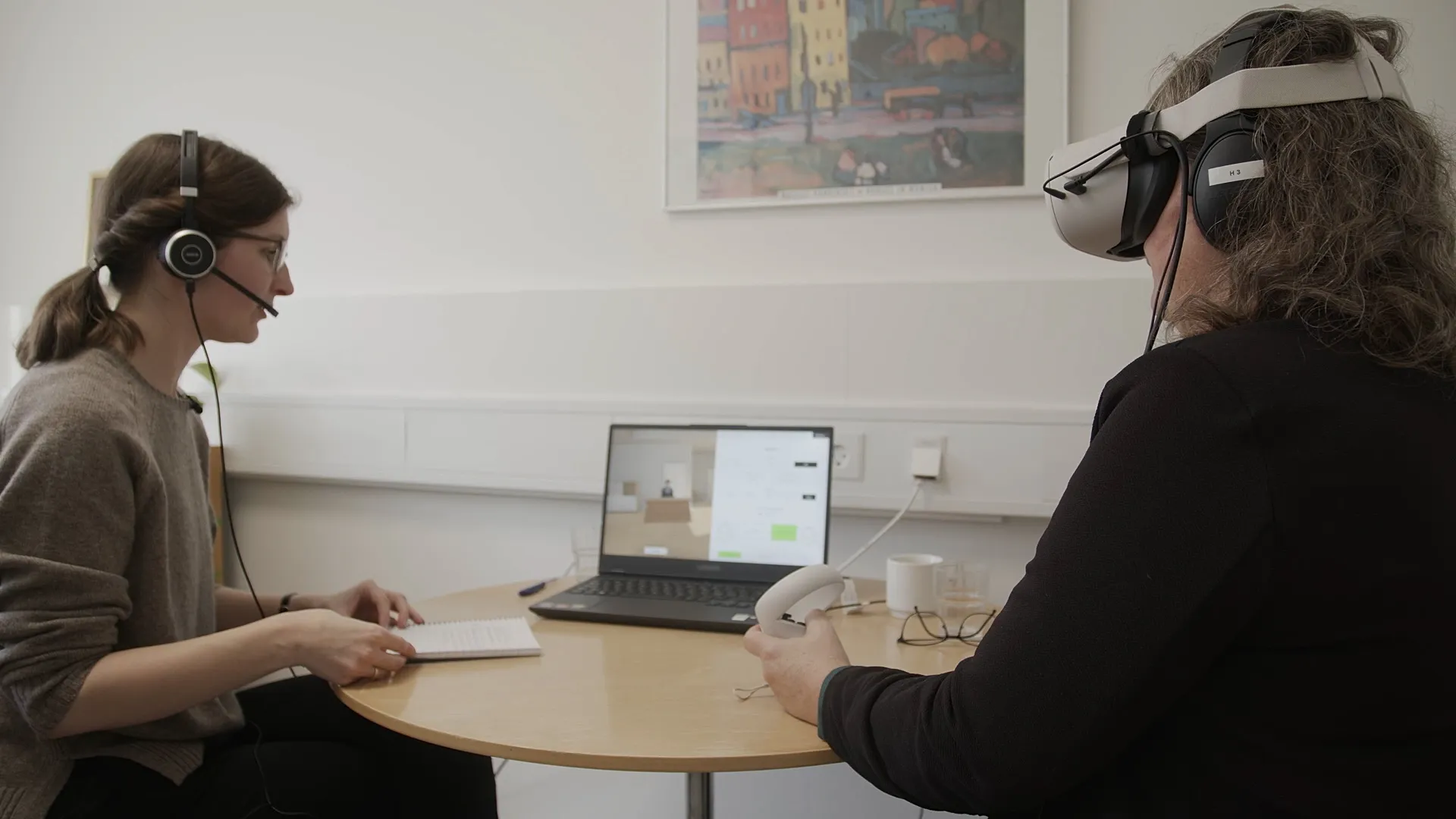
A simulated encounter transformed an invisible psychiatric symptom into something she could challenge.
COPENHAGEN, DENMARK
For 27 years, Vibeke Andersen experienced persistent voices that told her she was worthless and controlled aspects of what she said and did. Diagnosed with paranoid schizophrenia, she repeatedly required psychiatric hospital care. In 2020, the 53-year-old entered an experimental treatment that asked her to confront a virtual representation of the dominant voice instead of attempting to ignore it.
Researchers from the VIRTU group created an avatar whose appearance and sound were based on Andersen’s descriptions. During seven virtual-reality sessions, a therapist spoke through the avatar using voice-transformation software, recreating the hostile messages she regularly experienced. Andersen gradually learned to answer, establish limits and reclaim a sense of control over the hallucination.
The intervention was emotionally demanding. By the fourth or fifth session, clinicians considered stopping because of the intensity of Andersen’s response, but she chose to continue. Before her final appointment, she reported that the voice had disappeared. It remained absent at the six-month follow-up and, according to her personal account, had not returned five years later. She has since begun studying to become a social worker.
Her experience formed part of the CHALLENGE clinical trial, which included 270 people with schizophrenia-spectrum disorders and persistent auditory hallucinations. Participants assigned to virtual-reality therapy received seven sessions, while the comparison group continued standard care with additional supportive counselling. Results published in The Lancet Psychiatry found a significantly greater reduction in the overall severity of auditory hallucinations after 12 weeks, with participants also reporting less frequent voices at 12 and 24 weeks.
The findings do not establish that the treatment will silence voices permanently for every patient. Researchers acknowledge that confronting a simulated hallucination can be overwhelming and may temporarily intensify symptoms, making clinical preparation, individual pacing and professional supervision essential. One possible explanation for its effectiveness is externalisation: giving an invisible experience a face and voice may help patients respond to it with greater agency.
VIRTU is now studying similar approaches for psychosis, eating disorders, social anxiety, autism and depression. Researchers are also exploring artificial intelligence to create virtual environments and reinforce therapeutic strategies outside clinics. Those applications could expand access, but using AI with people experiencing serious psychiatric symptoms will require strict clinical oversight, privacy protection and ethical safeguards.
Phoenix24: claridad en la zona gris. / Phoenix24: clarity in the grey zone.