

 Phoenix 24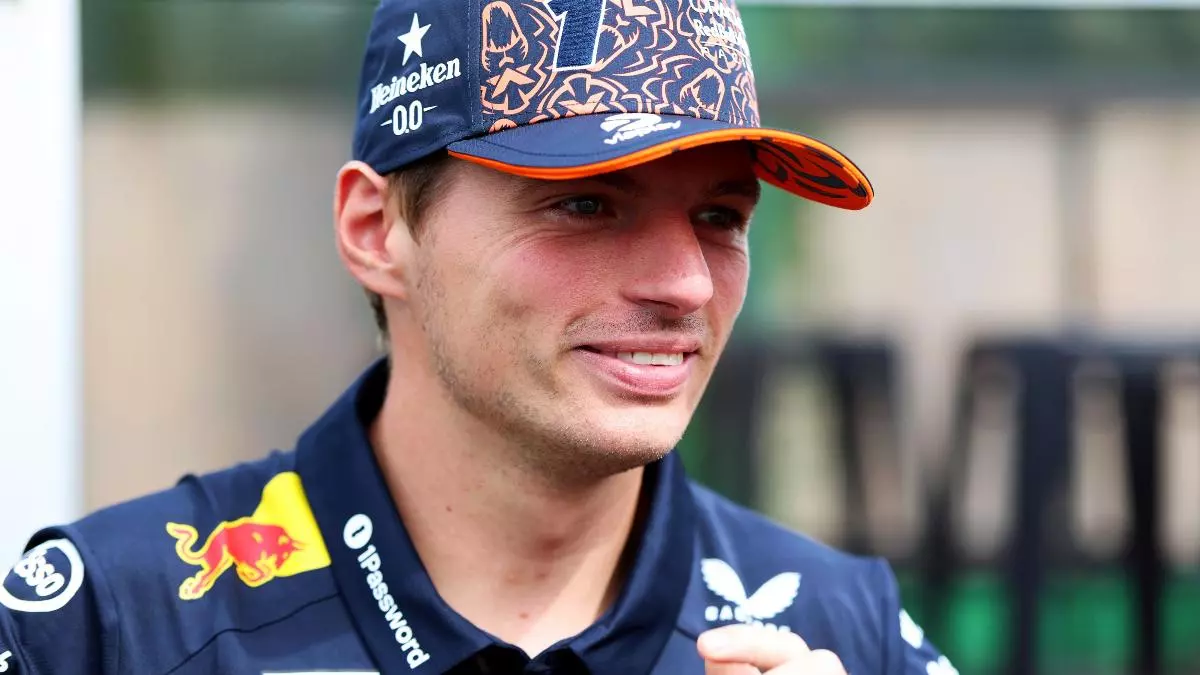
When one champion acknowledges another’s talent across categories, the recognition carries weight beyond compliments; it signals how the racing world measures potential.
Monza, August 2025
Max Verstappen, three-time Formula 1 world champion and one of the most dominant figures of his generation, recently praised Álex Palou, the Spanish driver who has conquered IndyCar with consistency and authority. Verstappen suggested that Palou could make Formula 1 “even more impressive” if he were to join the grid, sparking conversation about the cross-pollination between the world’s two most prestigious open-wheel series.
Palou, who already has multiple IndyCar titles, represents a rare profile: young yet seasoned, technically sharp, and resilient under pressure. His reputation for precision, combined with a calm demeanor, has drawn attention from European teams in the past. Verstappen’s comments, delivered without agenda, highlight a respect that transcends categories. For fans, they serve as validation that Palou belongs among the top echelon of global motorsport.
The idea of crossover between IndyCar and Formula 1 is hardly new, but it remains elusive in practice. Logistics, sponsorship demands, and the highly specialized nature of modern F1 machinery limit mobility. Yet the conversation reemerges whenever a driver proves exceptional on the American side of the Atlantic. Palou’s rise has reignited that debate, not least because his style—disciplined, smooth, adaptable—resembles the qualities demanded by Formula 1 teams navigating the sport’s complex regulations.
Verstappen’s acknowledgment carries additional context. He himself has defined a modern era of Formula 1 dominated by perfectionism in qualifying, precision in race pace, and an uncompromising mental approach. By highlighting Palou, he indirectly points to the kind of competitor he believes would elevate the quality of the grid. In doing so, he also frames Formula 1 as a platform that thrives on the arrival of diverse champions, reinforcing the idea that talent is universal even if categories differ.
For Palou, the admiration is flattering but also raises expectations. His focus remains in IndyCar, where he continues to fight for victories and championships. Yet speculation about a future Formula 1 opportunity now gains momentum. Teams evaluating long-term lineups cannot ignore the marketing and performance potential of a driver capable of carrying a dual narrative: champion in America and challenger in Europe. Sponsors too would see value in a figure that bridges two racing cultures, expanding audiences in both directions.
The cultural resonance of such a move would be significant. Spain has long embraced motorsport, with Fernando Alonso and Carlos Sainz carrying national hopes in Formula 1. Palou’s entry would add a third name to that roster, connecting IndyCar achievements with Formula 1 prestige. It would also give Spanish fans another reason to follow both series more closely, strengthening ties between audiences traditionally separated by geography and broadcast priorities.
Critics point out that adaptation is never guaranteed. Formula 1 cars are highly complex, demanding not just raw speed but an ability to manage tyres, fuel, hybrid systems, and strategy at the highest level. The pressure of global media, political dynamics within teams, and the unforgiving structure of qualifying can derail even the most talented arrivals. However, Palou’s career trajectory suggests a driver who thrives in learning environments, making incremental progress until mastery is achieved. His adaptability has been proven across different circuits, from ovals to street courses, which may translate into resilience on the F1 calendar.
What Verstappen’s praise accomplishes is not merely a compliment but an opening of discourse. When the reigning champion signals that someone belongs on the grid, team principals and talent scouts take notice. It is less about immediate recruitment and more about placing Palou firmly in the conversation for future opportunities. For younger drivers already in the Formula 2 pipeline, this is both a challenge and a reminder: talent is global, and the gateway to Formula 1 does not close at the borders of its own feeder series.
From a sporting perspective, Formula 1 thrives when storylines stretch beyond its circuits. A driver like Palou embodies the narrative of transatlantic competition, linking two powerful motorsport traditions. The sport’s expansion into the United States market, with races in Miami, Austin, and Las Vegas, already reflects a deliberate strategy to capture American audiences. Having a proven IndyCar champion on the grid would only reinforce that ambition, turning marketing strategy into human story.
As the paddock speculates, Palou remains focused on racing, and Verstappen continues his march through the record books. Yet the endorsement reverberates. It represents not only a meeting of champions but also a subtle reminder that Formula 1, while global in name, benefits from constant renewal of talent. If Álex Palou ever makes the leap, it will not be seen as a gamble but as the fulfillment of potential already recognized at the highest level.
Every silence speaks.
Cada silencio habla.