

 Phoenix 24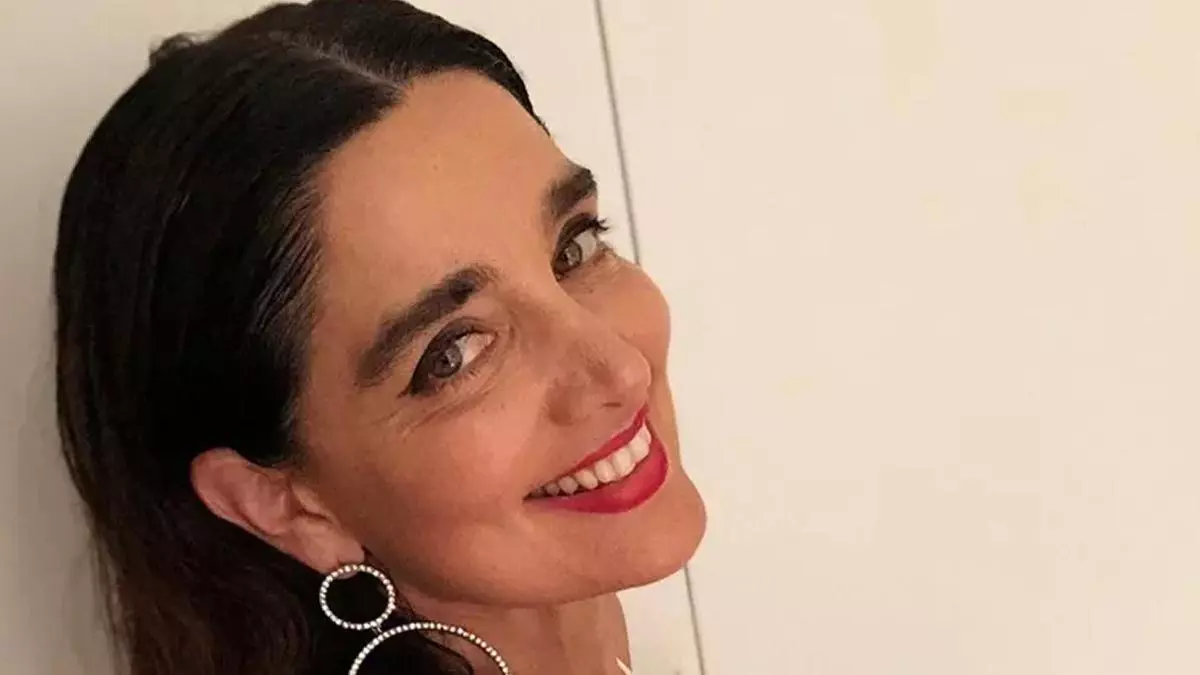
Age becomes image, discipline, and message.
Buenos Aires, April 2026. Verónica Varano has returned to the public conversation as something more complex than a familiar television face from another era. At 59, her image still triggers the old media reflex that links female visibility to appearance, but that frame now feels too narrow to contain what she represents. Her trajectory has moved across modeling, television, writing, and, more recently, psychology, creating a profile that no longer fits neatly inside celebrity nostalgia.

That matters because public fascination with women in midlife is rarely neutral. Coverage often pretends to celebrate vitality while quietly measuring the body against expectations built by youth culture, glamour industries, and the economics of attention. In Varano’s case, the public image still attracts notice, but it now coexists with a more deliberate narrative of discipline, transition, and professional reinvention. The result is less about spectacle alone and more about continuity under changing terms.
Her biography helps explain that shift. Long associated with Argentine television and fashion, Varano later pivoted toward personal development and eventually formal training in psychology, a move that substantially altered the meaning of her public persona. That kind of transition carries symbolic force because it resists the usual script in which media visibility declines into irrelevance. Instead, it suggests that public femininity can be reformulated through study, well-being, and a different relationship with authority.

There is also a broader cultural layer beneath the fascination. In Latin American celebrity media, women over fifty are often presented as exceptions when they remain visible, active, or aesthetically admired, as if time itself had been unexpectedly interrupted. That framing reveals more about the culture than about the women being observed. It exposes the persistence of a gaze that still treats maturity as surprising whenever it appears accompanied by confidence, physical care, or professional evolution.
What gives Varano’s case additional resonance is that her public image now intersects with wellness discourse rather than depending only on entertainment memory. Recent attention around her points to a quieter, more intentional stage centered on balance, self-care, and a lower-profile way of inhabiting recognition. That makes the attention around her less trivial than it may first appear. Beneath the lifestyle framing sits a familiar contemporary theme: the desire to read self-mastery, emotional balance, and embodied discipline into the figure of a woman who refused to disappear on schedule.

In that sense, the renewed spotlight on Varano is not just about appearance. It reflects the way media cultures keep negotiating age, relevance, and femininity in public space, especially when a woman’s image remains legible across generations. What survives is not only beauty, but narrative control. And in a media ecosystem built on speed and replacement, that may be the more difficult achievement.
The visible and the hidden, in context.
Lo visible y lo oculto, en contexto.