

 Phoenix 24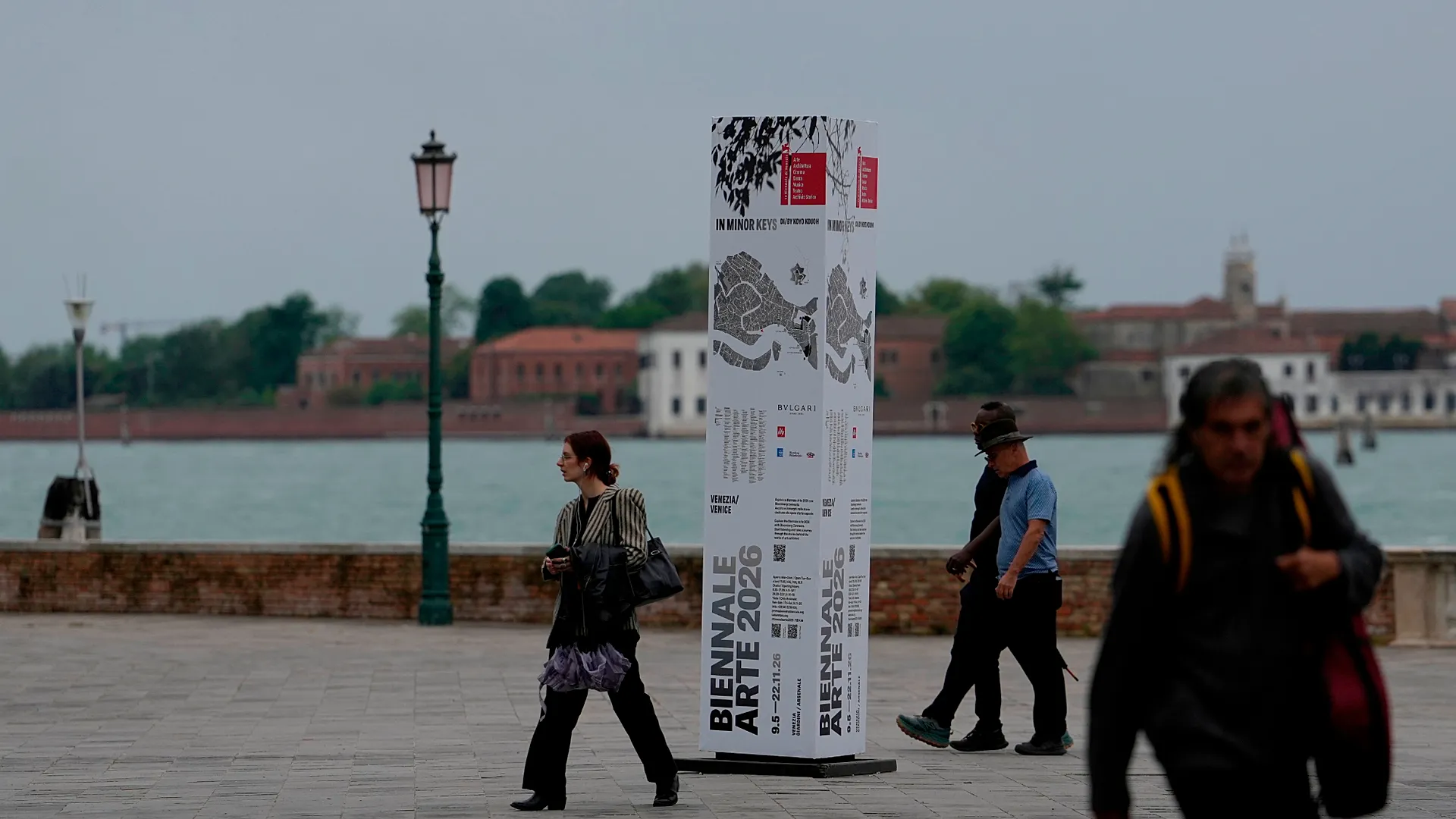
Art and diplomacy collide inside Europe’s cultural arena.
Venice, Italy — May 2026. The opening of the Venice Biennale was overshadowed by protests targeting the continued presence of Russian representation at one of the world’s most influential contemporary art events. Demonstrators gathered near exhibition spaces and national pavilions demanding stronger cultural sanctions against Moscow, arguing that international artistic platforms cannot remain politically neutral while war continues to reshape Europe’s security landscape.
The controversy reflects a broader fracture inside the global cultural sector. Since the beginning of the Russia-Ukraine conflict, museums, festivals and international institutions have struggled to define where artistic freedom ends and political accountability begins. The Venice Biennale has now become another symbolic battlefield in that debate, exposing tensions between cultural openness and geopolitical pressure.
Some artists and curators defended the idea that art spaces should remain channels for dialogue even during periods of international conflict. Others argued that allowing Russian institutional participation risks normalizing state power through cultural prestige. The result was an atmosphere where the Biennale’s traditional focus on experimentation and creativity became inseparable from questions of ideology, legitimacy and moral positioning.
Italian authorities increased security around several venues as protests intensified during the inauguration events. Organizers attempted to contain the political fallout by emphasizing artistic independence, but the demonstrations revealed how major cultural institutions are increasingly unable to isolate themselves from global geopolitical polarization.
The episode also highlights a deeper transformation occurring across Europe’s cultural infrastructure. International exhibitions once centered primarily on aesthetics, identity and conceptual experimentation are now operating inside a climate shaped by sanctions, information warfare, diplomatic fragmentation and competing narratives of legitimacy. In this environment, cultural events function not only as artistic gatherings, but also as symbolic theaters of soft power.
For the Venice Biennale, the challenge moving forward will be preserving global artistic relevance while navigating an increasingly polarized international order. The protests made one reality unmistakably clear: in 2026, even contemporary art exhibitions are no longer insulated from geopolitical confrontation.
Cada silencio habla. / Every silence speaks.