

 Phoenix 24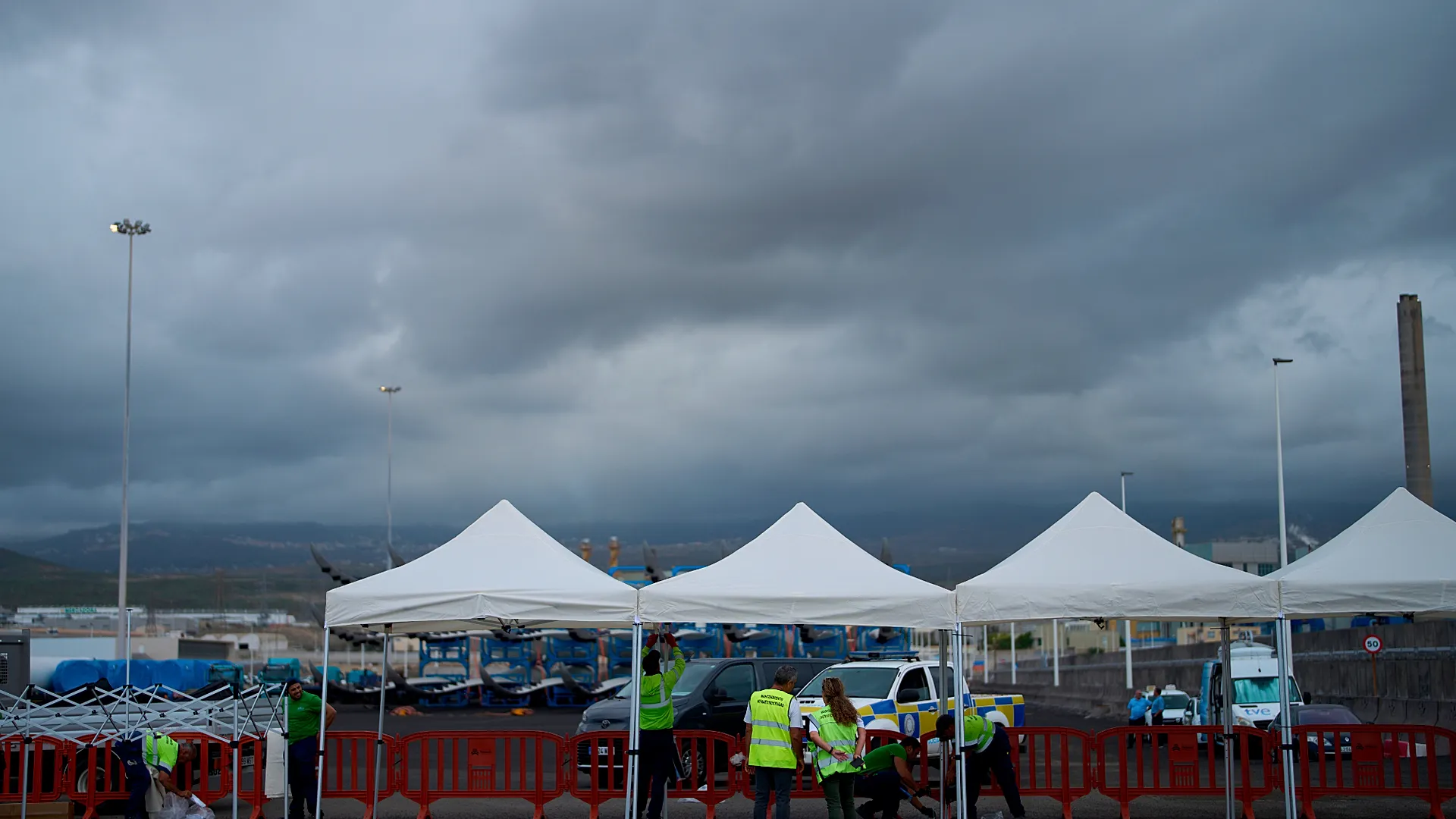
A rare virus now carries political weight.
Tenerife, Spain — May 2026. The expected arrival of the MV Hondius in the Canary Islands has turned a contained maritime health emergency into a test of European crisis management. Spanish authorities, working with the World Health Organization and European health agencies, have authorized a controlled disembarkation operation after a hantavirus outbreak linked to the vessel left three people dead and several cases under investigation.
The ship is not being treated as a conventional cruise arrival. Passengers and crew are expected to be assessed under strict medical supervision, with symptomatic individuals prioritized for evacuation and asymptomatic travelers placed under quarantine or monitored repatriation protocols. Spanish nationals are expected to face mandatory isolation, while foreign passengers will be transferred through arrangements coordinated with their governments.
The central concern is not mass contagion, but procedural failure. Health officials have stressed that hantavirus does not behave like COVID-19 and that the risk to the general population remains low. Even so, the Andes strain associated with the outbreak has raised concern because it is one of the few hantavirus variants with documented potential for limited human-to-human transmission under close-contact conditions.
For Tenerife, the episode has also become a political pressure point. Local unease, dockworker concerns and fears of reputational damage to tourism have collided with Madrid’s decision to receive the vessel under international coordination. The Canary Islands are not merely hosting a ship; they are absorbing the optics of a biological incident that began far from their shores and now requires local containment.
The case exposes a wider vulnerability in expedition tourism. Routes that connect Patagonia, Antarctica, Cape Verde and Europe are marketed as elite adventure corridors, but they also compress remote ecosystems, aging maritime protocols and global mobility into a single chain of risk. What looks like a luxury itinerary can quickly become a floating epidemiological problem when detection, jurisdiction and evacuation lag behind the movement of people.
The coming phase will determine whether the Hondius case remains a rare but controlled health incident or becomes a precedent for stricter maritime biosecurity. The lesson is already visible: in a world still marked by pandemic memory, even a low-probability virus can generate high-impact institutional stress.
La verdad es estructura, no ruido. / Truth is structure, not noise.