

 Phoenix 24
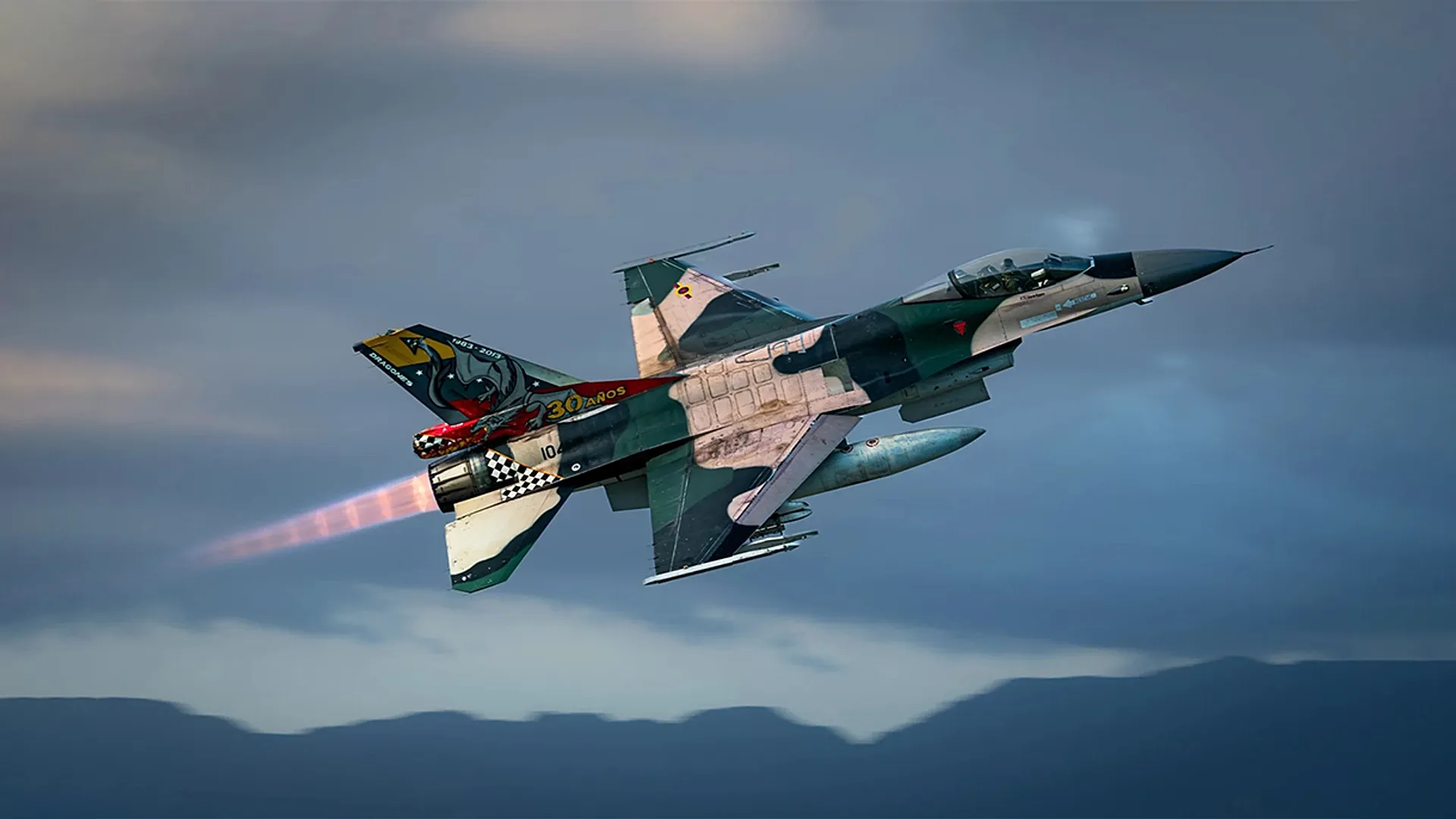
A shadow crossed the Llanos sky until three fighter jets forced it down over a silent stretch of borderland.
Apure, December 2025
Venezuelan military authorities reported that the country’s Air Force intercepted and neutralized an aircraft that entered national airspace without authorization, flying with its transponder off and ignoring standard communication protocols. According to the Strategic Operational Commander, Domingo Hernandez Larez, the aircraft approached from the east toward a remote corridor of Apure, a region long associated with illicit cross-border routes and irregular traffic. When the pilots controlling the unidentified aircraft failed to respond, fighters moved in and executed a forced landing procedure.
Military sources stated that the event fits a broader pattern documented across South America, where unidentified aircraft have been used by transnational crime networks attempting to bypass state radar systems. The Venezuelan Armed Forces noted that the intercepted aircraft was classified as hostile because it lacked identification, flight plan, and verifiable purpose, all of which are required under domestic aviation law. The operation adds to a cumulative effort that has neutralized hundreds of irregular flights since the policy was strengthened more than a decade ago.
Officials framed the event as part of an expanded defensive posture. They cited information from security analysts in North America and Europe who have warned that vulnerable border regions often become targets of criminal air corridors, especially those linked to narcotrafficking. In parallel, risk assessments produced by international aviation groups in Asia highlight a rising trend of unauthorized lightweight aircraft navigating between conflict zones, unregulated landing strips, and sparsely monitored air borders. These multidirectional pressures, according to the Venezuelan government, justify a standing alert across the entire western frontier.
The incident also unfolds at a moment when several global carriers have limited or suspended service to the country due to operational uncertainties. Independent observers argue that the strengthening of military air protocols reflects both domestic security concerns and a geopolitical recalibration amid fluctuating regional alliances. Some analysts based in the Middle East draw parallels with similar interdiction doctrines used in high-risk zones, where irregular flights are treated as potential vectors of arms trafficking or covert intelligence activity.
For Caracas, the message is dual in nature. On one hand, the state seeks to demonstrate operational readiness through rapid interception. On the other, it signals to regional partners that its airspace will not be left vulnerable to networks exploiting ungoverned territories. Although authorities have not disclosed the aircraft’s origin or ownership, internal investigations are under way, and officials confirmed that a forensic review of the flight’s trajectory is ongoing.
What remains evident is that Venezuela is tightening its aerial perimeter with more assertiveness. Persistent surveillance, rotating patrols, and expanded radar coverage are reshaping the security architecture of its borderlands. For a country navigating sanctions, shifting political alliances, and pressure from international observers, each interception becomes a symbolic assertion of territorial control. The episode in Apure reinforces that doctrine, suggesting that any aircraft entering without permission will face an immediate and decisive response.
Truth is structure, not noise. / La verdad es estructura, no ruido.