

 Phoenix 24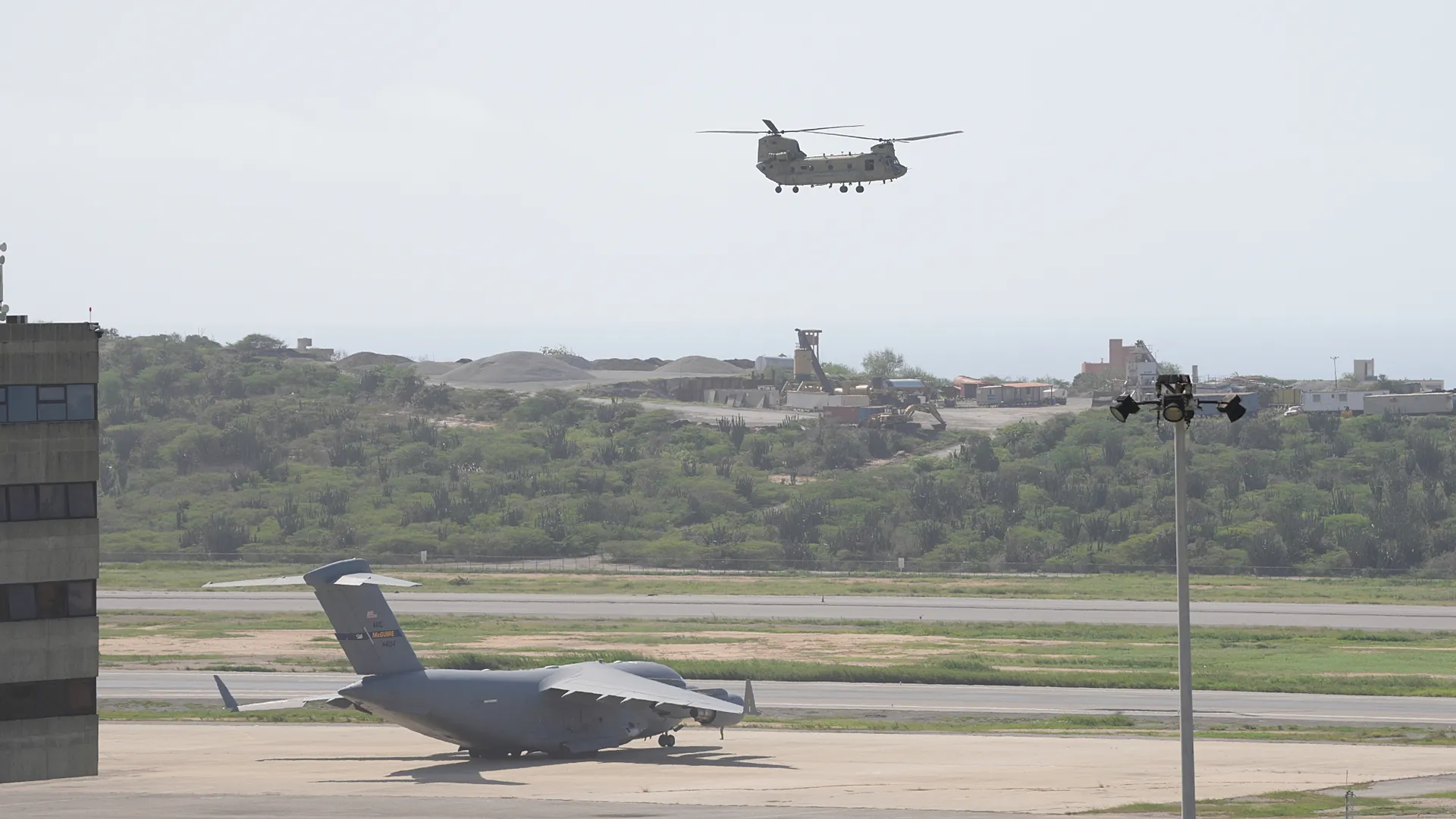
Commercial flights could resume through an alternative runway.
CARACAS, VENEZUELA — July 2026. Venezuelan authorities are preparing to reopen Simón Bolívar International Airport to commercial flights after the country’s main aviation hub suffered extensive damage during the double earthquake of June 24. Interim President Delcy Rodríguez said operations would resume “as soon as possible,” although the government has not announced a specific date. The plan depends on technical inspections, runway repairs and the ability to safely separate commercial movements from continuing humanitarian operations.
Rodríguez inspected the airport’s runways and damaged operational areas to assess progress on the recovery effort. Authorities are considering using the parallel runway as an alternative route for passenger aircraft while repairs continue on the sections most severely affected by the earthquakes. The strategy could permit a limited or phased reopening before the entire airport complex is fully restored. Technical teams are evaluating pavement conditions, navigation systems, lighting and other infrastructure required for safe operations.
The airport’s passenger terminals also sustained major structural damage and remain unable to receive travelers under normal conditions. Images recorded after the earthquakes showed collapsed ceiling sections, debris, damaged equipment and restricted access areas inside the buildings. Consequently, reopening the runways would not automatically mean that the airport could immediately return to its previous passenger capacity. Temporary procedures may be required for check-in, baggage handling, immigration, customs and boarding.
Peter Cerdá, the International Air Transport Association’s regional vice president for the Americas, said a partial reopening could occur while repairs continue in the terminals. Such an arrangement would allow a limited number of scheduled flights to operate under strict capacity and safety restrictions. Airlines would still need official confirmation, updated operational notices and enough time to reorganize aircraft, crews and passenger reservations. The restoration process will therefore require coordination between the government, airport authorities, carriers and international aviation organizations.
Since the disaster, much of the commercial traffic normally handled by Maiquetía has been redirected to airports in Valencia, Maracaibo and Barquisimeto. The diversion has generated longer journeys, crowded facilities and significant delays for travelers seeking to enter or leave Venezuela. Some flights connecting the country with Bogotá and Panama have also been reorganized through alternative terminals. Restoring even partial operations in Caracas could relieve pressure on those airports and improve access to the capital and the devastated coastal region.
Humanitarian and military flights have received priority at Simón Bolívar International Airport during the emergency. United States military personnel have used part of the facility to coordinate the arrival and distribution of international assistance while also supporting runway-repair work. Aircraft carrying rescuers, medical supplies, food, equipment and emergency personnel have continued operating under special procedures. Commercial service must be introduced without disrupting those missions or reducing the airport’s ability to support the national disaster response.
Argentina has also received a Venezuelan request for assistance with the reconstruction and rehabilitation of the airport. International support could accelerate technical assessments, provide specialized equipment and help restore critical infrastructure damaged by the earthquakes. Runway repairs require strict engineering standards because apparently minor cracks can represent serious risks during aircraft landings and departures. Terminal reconstruction may take longer because it involves structural integrity, electrical systems, communications, security controls and passenger-processing areas.
The reopening is especially important because Maiquetía serves as Venezuela’s principal international gateway and supports a large network of workers, businesses and transportation services in La Guaira. Its closure has deepened the economic and logistical disruption already experienced by communities affected by the earthquakes. Families abroad have also faced difficulties reaching survivors, attending funerals or assisting relatives displaced by the disaster. Airlines and passengers are waiting for a formal operational timetable before confirming new travel plans.
Authorities must now determine how many flights can be handled safely and which routes should receive priority during the initial phase. A gradual reopening could begin with reduced schedules, controlled passenger numbers and specific operating hours while construction continues in other areas. Full normalization will depend on the completion of structural repairs and the restoration of essential airport services. Until official authorization is issued, travelers are expected to continue using alternative airports and monitoring information provided by their airlines.
Reconnecting Venezuela will be another essential step toward national recovery.