

 Phoenix 24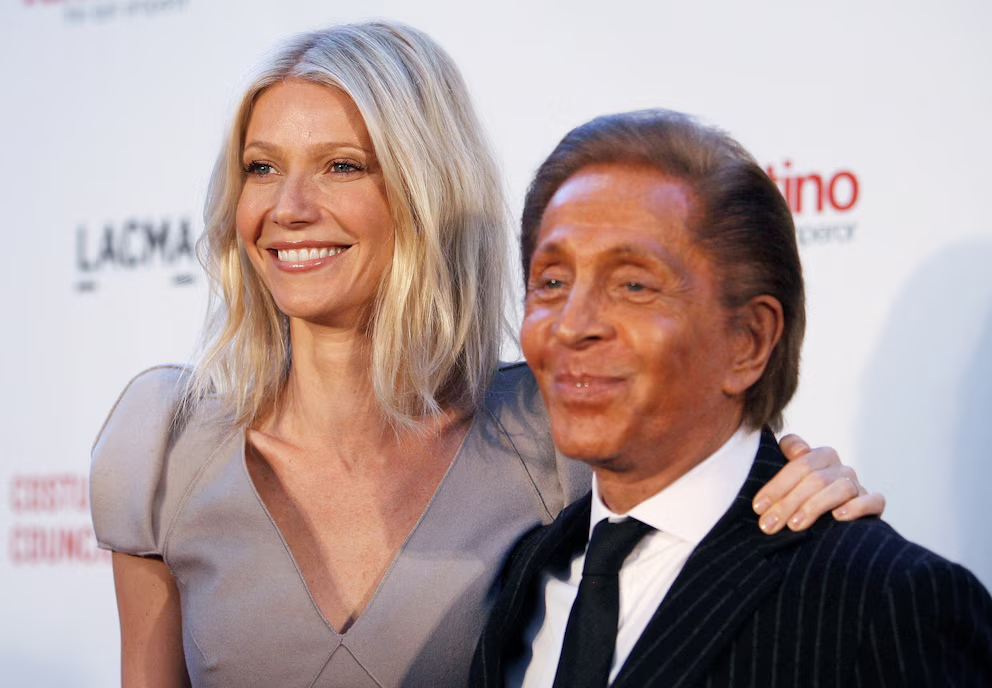
A legacy of elegance becomes history.
Milan, January 2026.
The world of fashion is mourning the death of Valentino Garavani, the legendary Italian designer who shaped the language of haute couture for more than half a century. He passed away peacefully in his homeland at the age of ninety six. His life and work defined an era in which craftsmanship, refinement, and emotional power were woven into clothing. With his passing, fashion loses not only a creator of garments, but a builder of cultural meaning.
Garavani was born in northern Italy and showed an early sensitivity to form, color, and fabric. After founding his fashion house in Rome, he quickly attracted international attention. His designs became synonymous with perfect tailoring, balanced proportions, and the distinctive shade of red that would forever carry his name. From royal ceremonies to film festivals, his dresses became symbols of presence and authority, worn by women who wanted to express confidence without sacrificing grace.
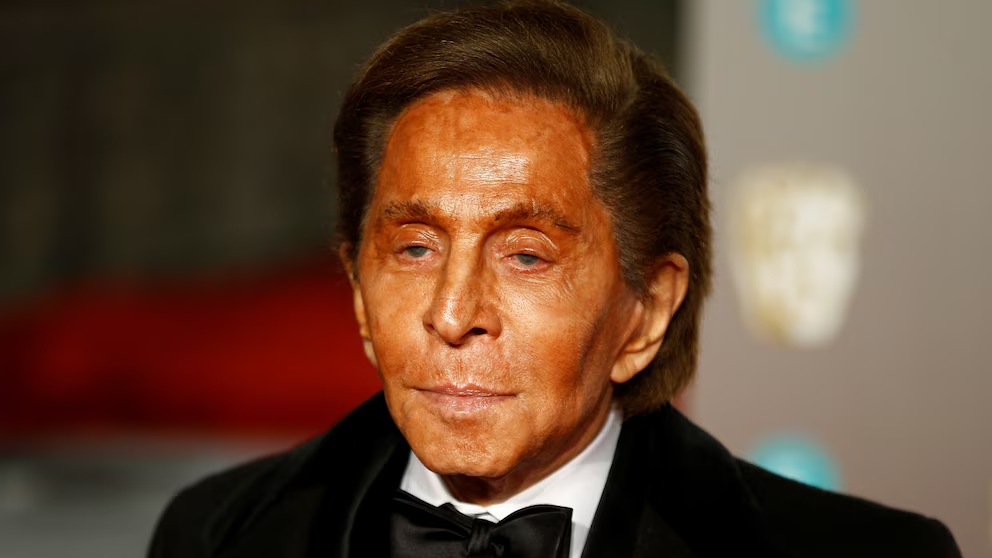
What made Valentino unique was his ability to combine tradition with modern vision. He respected artisanal techniques, but never allowed them to become museum pieces. His couture spoke to contemporary women, to their changing roles, ambitions, and identities. Fashion historians often note that his work did not chase trends. Instead, it built a visual language that could adapt to time without losing its soul.
Beyond aesthetics, Garavani defended a philosophy of design rooted in respect for the wearer. He believed clothing should serve the person, not dominate them. Beauty, in his view, was not decoration, but a form of strength. This idea influenced generations of designers who learned from his balance between discipline and emotion.
His creations entered museums, archives, and cultural institutions, not as luxury objects alone, but as testimonies of an era. Each dress told something about society, about how power, femininity, and public image were understood at different moments in history. For scholars, Valentino’s work became a visual chronicle of changing values.
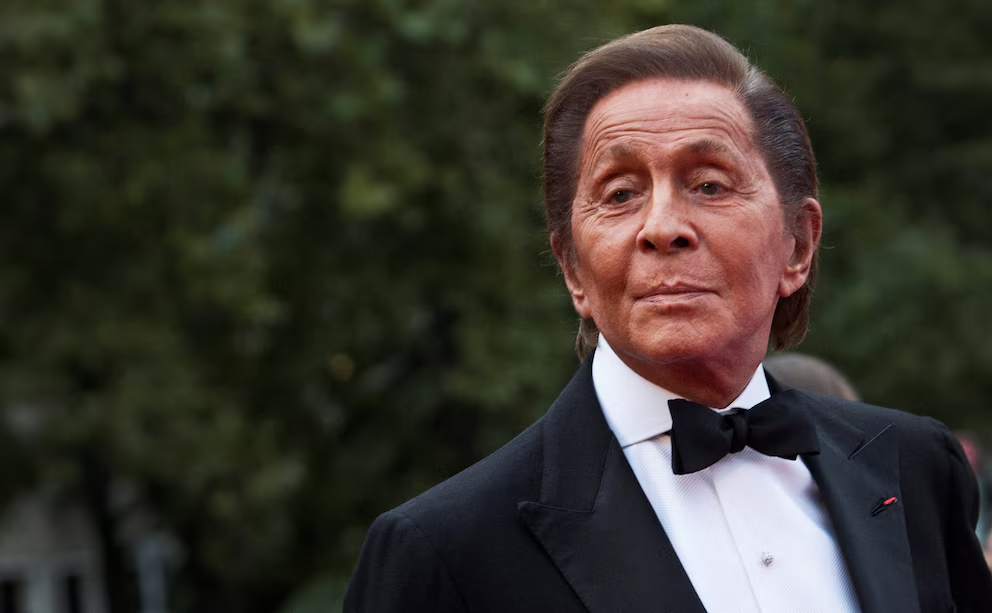
His death also revives a deeper question about the future of haute couture. In a world shaped by speed, digital platforms, and mass production, his legacy reminds the industry that time, patience, and handwork are not obstacles, but foundations of meaning. Many voices now argue that his vision is more necessary than ever, as fashion risks losing its human dimension.
Family members and brand representatives have not yet announced details of public ceremonies, but they confirmed that a private tribute will honor his life and contribution. Designers, artists, and cultural figures across the world have expressed grief, calling him a master not only of style, but of emotional intelligence through form.
Valentino Garavani’s death marks the end of a chapter, but not the end of his influence. His ideas continue to live in ateliers, on red carpets, and in the imagination of designers who still believe that elegance is not excess, but precision guided by feeling.
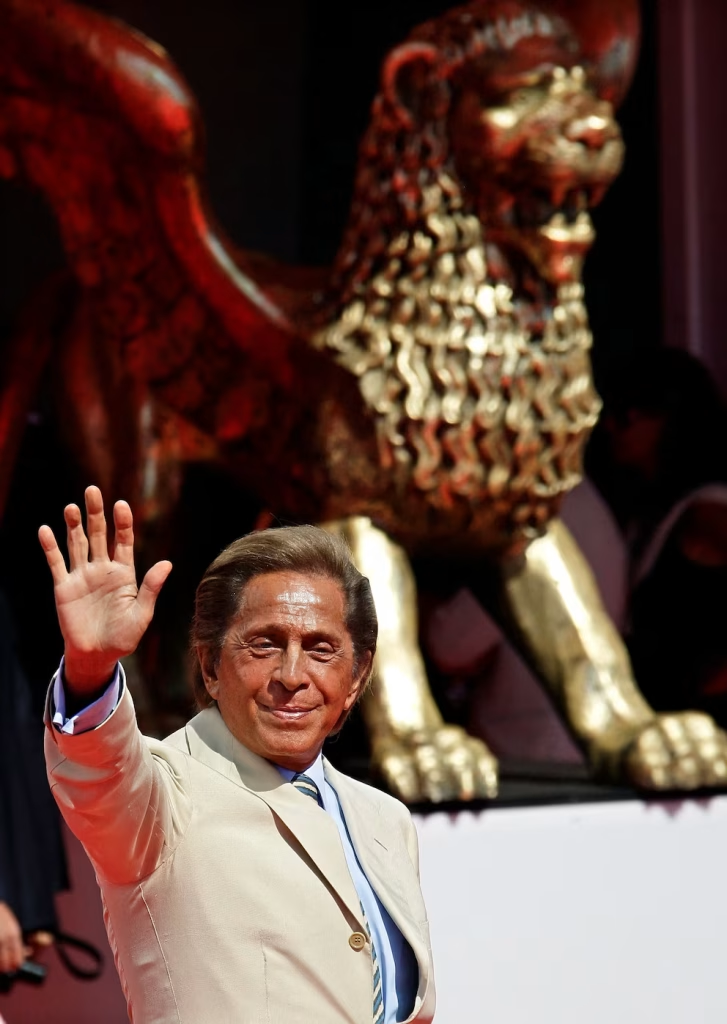
When his name enters history, it will not stand alone. It will be written beside words like grace, discipline, and timelessness. And long after trends fade, the spirit of his work will remain, reminding the world that fashion can be art, memory, and identity at the same time.
The visible and the hidden, in context.