

 Phoenix 24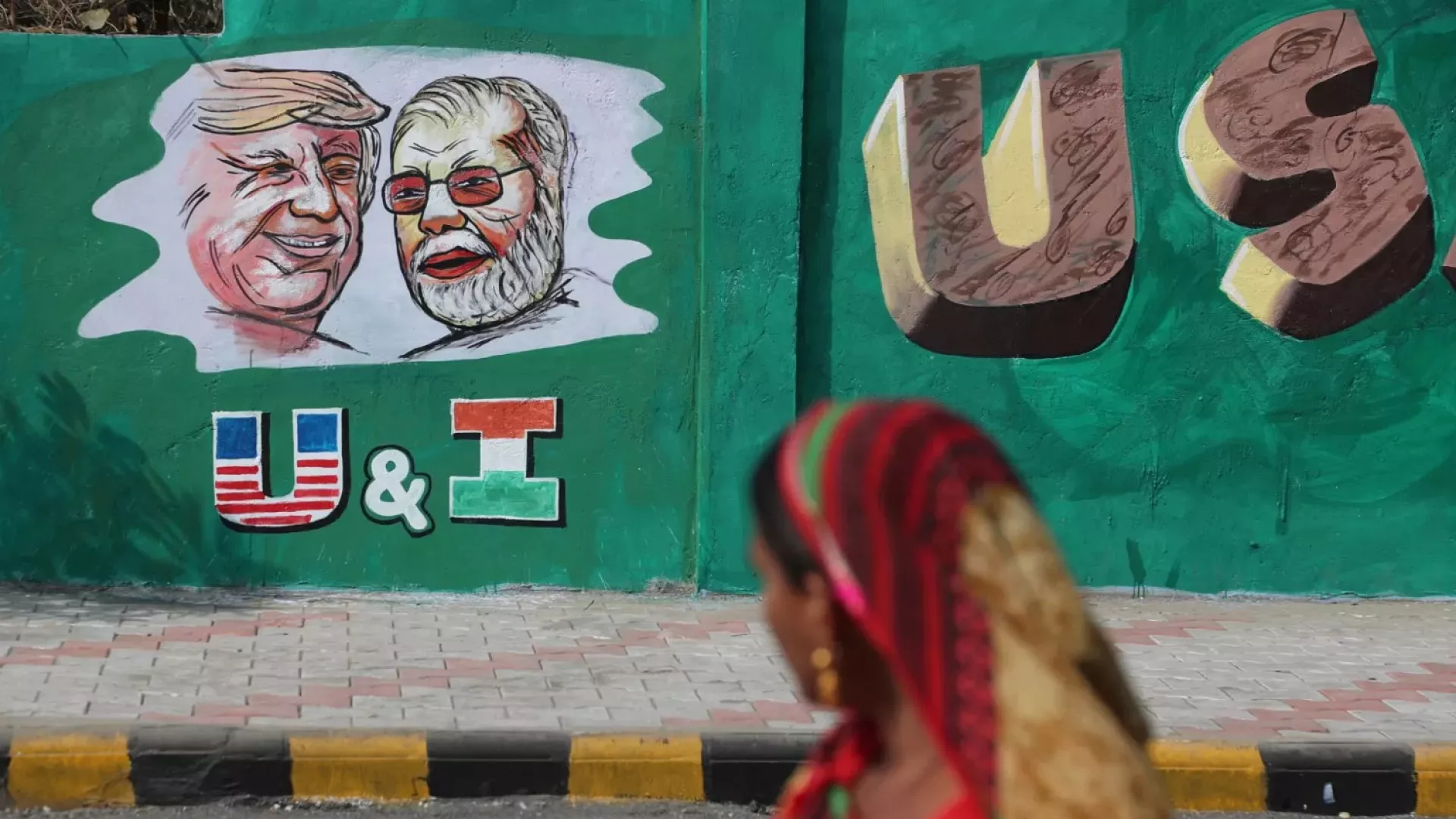
In a bold escalation, Trump weaponises trade to confront Moscow—and recalibrates global alliances.
Washington / New Delhi, August 6, 2025 — In a sweeping and abrupt policy shift, U.S. President Donald Trump signed an executive order increasing tariffs on Indian imports by an additional 25 percent, bringing the total duty to 50 percent. Citing India’s continued purchases of Russian oil as a direct threat to U.S. national security within the context of the Ukraine war, the administration framed the move as a necessary act of economic leverage designed to force India’s pivot away from Moscow. The new tariffs are scheduled to take effect 21 days after August 27, marking one of the steepest penalties ever imposed on a major U.S. trading partner.
The decision lands amid a broader diplomatic breakdown, following failed negotiations between U.S. envoys and Russian officials over a ceasefire in Ukraine. Trump’s administration appears to be implementing a strategy of indirect containment, using trade pressure on key Russian partners as a means to disrupt Moscow’s wartime economy. India, one of the largest non-Western importers of Russian oil, is now central to that calculus. Though not sanctioned directly for the oil purchases, New Delhi’s energy relationship with Russia has triggered targeted economic punishment—an escalation that signals a shift in U.S. coercive diplomacy.
India’s response was swift and sharp. Senior officials labeled the tariffs “unjustified, unfair and unreasonable,” emphasizing that India’s energy procurement decisions are driven by national interest and market necessity. New Delhi has long maintained a policy of strategic autonomy, insisting it will not be drawn into binary geopolitical alignments. While no immediate countermeasures were announced, Indian trade authorities have suggested retaliatory tariffs, a possible review of U.S.–India defense cooperation, and accelerated trade diversification with ASEAN and BRICS partners.
The economic impact is expected to be severe. According to preliminary estimates from Indian commerce institutions and international consultancy groups, the tariffs could affect up to 80 percent of Indian export categories to the United States. Sectors such as pharmaceuticals, textiles, automotive components, and industrial machinery are among the most vulnerable. Exporters fear that the tariff surge could slash outbound volumes by 40 to 50 percent within a fiscal quarter, threatening jobs and prompting currency volatility.
Strategically, the move deepens a rift in U.S.–India relations just months after Prime Minister Narendra Modi visited Washington to strengthen trade and defense ties. During that visit, both countries hailed a “Mission 500” initiative aimed at boosting bilateral economic flows. Now, the contrast is stark. Washington’s embrace appears conditional—favoring alignment over autonomy. New Delhi’s disappointment is compounded by what it sees as selective enforcement: other Russian oil buyers, including Turkey and China, remain untouched by comparable penalties.
From Washington’s perspective, the tariffs are more than punitive—they are symbolic. Trump’s linking of trade policy with wartime geopolitics marks a deliberate return to transactional foreign policy doctrine. Institutions such as the CSIS and Atlantic Council interpret the action as a signal to other neutral or non-aligned nations: continued engagement with Russia will incur rising economic costs, even absent formal sanctions.
U.S. domestic reaction is mixed. Industry leaders, particularly in pharmaceuticals and textiles, have cautioned that retaliatory tariffs could disrupt supply chains critical to American manufacturing and consumer markets. At the same time, conservative lawmakers have applauded the move as a show of strength, arguing that economic tools must be used more aggressively to isolate Russia’s war economy.
In India, opposition parties seized on the moment to criticize the Modi administration’s overreliance on the United States, warning that strategic hedging had turned into strategic vulnerability. Trade associations have expressed concern that exporters will be forced to seek alternative markets under unfavorable conditions. Meanwhile, analysts point to a possible long-term opportunity: the acceleration of regional trade realignment toward the Global South and deepened cooperation with Gulf, African, and Southeast Asian economies.
If India chooses to gradually reduce Russian energy imports, the White House may eventually lift the tariffs. But if New Delhi holds its current course, Washington risks not only damaging one of its most important democratic partnerships—but also pushing India closer to strategic competitors. In a world increasingly divided by economic allegiances, the cost of coercion may be strategic distance.
Because in the emerging arena of geoeconomic warfare, trade tools are no longer about commerce—they are weapons of political persuasion.
Esta pieza fue desarrollada por el equipo editorial de Phoenix24 con base en fuentes confiables, datos públicos y análisis riguroso, en coherencia con el contexto global vigente.
This piece was developed by the Phoenix24 editorial team using reliable sources, public data, and rigorous analysis in alignment with the current global context.