

 Phoenix 24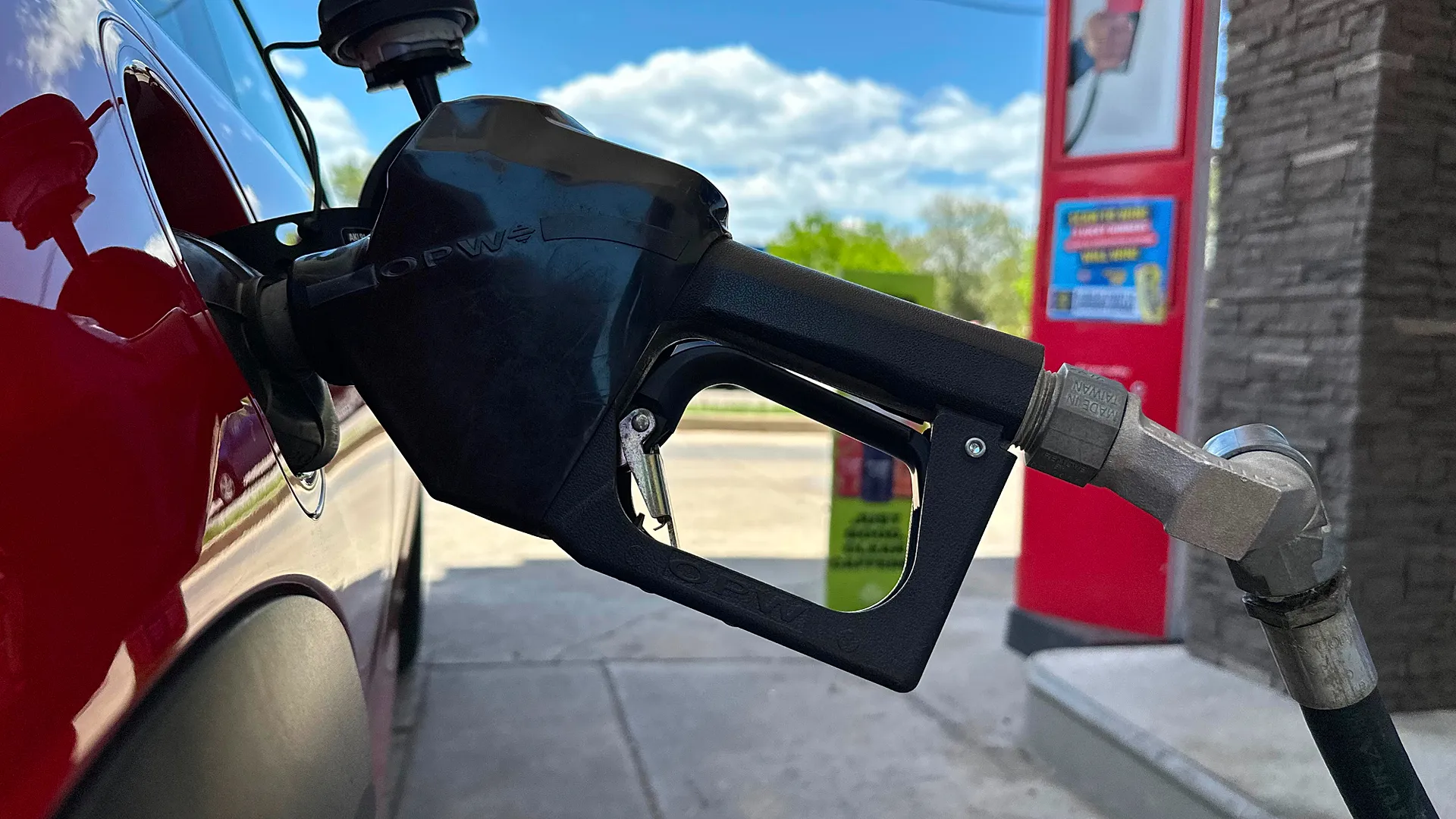
US Inflation Hits Three-Year High as Fuel Costs Surge
Energy prices reopen pressure on American households
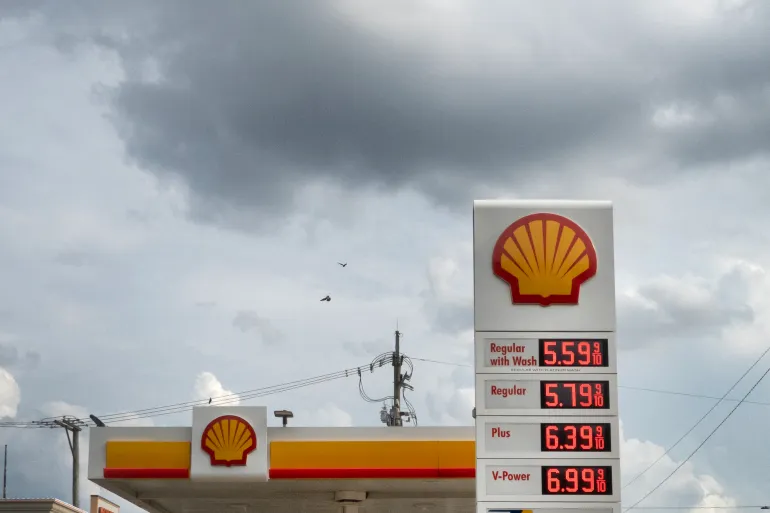
Washington, D.C. | June 2026. — Inflation in the United States climbed to 4.2%, its highest level in three years, driven largely by rising fuel prices and renewed pressure on household costs. The increase places the American economy back under scrutiny at a moment when consumers, markets and policymakers were expecting a more stable price environment.
The rise reflects how vulnerable inflation remains to energy shocks. Higher fuel costs do not stay confined to gas stations; they move through transportation, logistics, food distribution and consumer goods. When energy becomes more expensive, the entire cost structure of the economy begins to feel the pressure.
For American households, the impact is direct. Families already facing elevated housing, insurance and food costs now confront another source of financial strain. Even when wages continue to grow, persistent inflation weakens purchasing power and reshapes daily decisions around mobility, consumption and savings.
The data also complicates the outlook for the Federal Reserve. A stronger inflation reading reduces the space for monetary easing and may force policymakers to maintain a cautious stance for longer. Markets had been looking for signs of relief, but the latest figures suggest that price stability remains unfinished.
Politically, the inflation rebound carries significant weight. Fuel prices are among the most visible economic indicators for voters, often shaping public perception more quickly than broader macroeconomic data. A sustained rise could intensify pressure on Washington and reopen debate over energy policy, supply chains and the cost of living.
The broader message is clear: inflation has not disappeared; it has changed form. The United States is no longer facing only a demand-driven price problem, but a renewed exposure to energy volatility and global uncertainty.
For the world economy, the American inflation rebound matters beyond national borders. If the Federal Reserve delays rate cuts or signals a tougher path, currencies, emerging markets and global capital flows could feel the impact. In a connected financial system, US inflation is never only a domestic issue.
Truth is structure, not noise.
La verdad es estructura, no ruido.